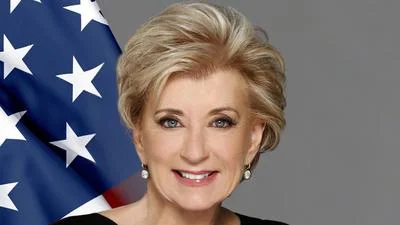
According to Kristin Sharp, CEO of the Flex Association, the Empowering App-Based Workers Act could create additional regulations for millions of local gig workers struggling with rising living costs. This statement was made in a press release.
"This bill fundamentally misunderstands the technology that powers digital platforms and raises serious anti-innovation and consumer privacy concerns," said Sharp. "At a time when Americans are concerned about an ongoing affordability crisis, Congress should not focus on legislation that creates more red tape for the millions of Americans who use app-based work for fast, flexible earning."
The App-Based Workers Act aims to establish labor standards for gig-economy workers such as ride-share drivers and delivery couriers. It includes provisions for minimum pay requirements, guaranteed benefits, and guidelines on how app-based companies should classify and compensate their workers.
According to the Flex Association, which serves as a policy advocate for app-based rideshare and delivery platforms, the organization emphasizes flexibility and low barriers to entry for those using these apps to earn income. The group claims it is focused on "the future of work" while highlighting economic contributions linked to app-based earning amid ongoing legislative discussions affecting digital platforms.
A Pew Research Center survey conducted in August 2021 found that 16% of U.S. adults have earned money through an online gig platform at some point, with 9% having done so in the past year. The survey also identifies common forms of app-based work like ride-hailing and delivery services, indicating their widespread use for income generation.
The U.S. Bureau of Labor Statistics' July 2023 Contingent Worker Supplement reported that there were 11.9 million independent contractors, accounting for 7.4% of total employment. This report provides a federal overview of alternative work arrangements that often intersect with broader debates concerning flexibility, benefits, and worker classification.
Sharp leads the Flex Association with a background in workforce innovation and credentialing. Her biography notes previous roles as CEO of the Education Quality Outcomes Standards board and co-founder of Shift: The Commission on Work, Workers, and Technology—a project examining technology's impact on work. Her public roles have been centered around workforce policy and evolving employment models.