The Department of the Interior has introduced a new Strategic Direction for the Bureau of Indian Education (BIE), outlining a plan to improve student achievement, strengthen Native language and culture, and enhance operational efficiency in schools funded by the Bureau. The strategy aims to reinforce tribal sovereignty by emphasizing flexible, community-based approaches instead of uniform programming.
This initiative builds on reforms that began during President Donald J. Trump’s first term, which saw high school graduation rates at BIE-funded schools rise from 51 percent in 2015 to 79 percent in 2025, exceeding levels seen before the COVID-19 pandemic. The new plan sets out performance indicators intended to guide further progress through 2030.
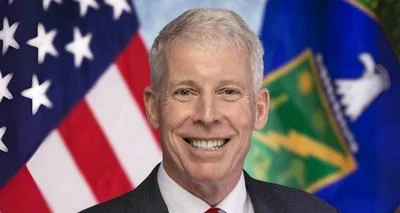
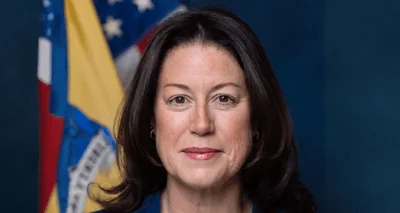
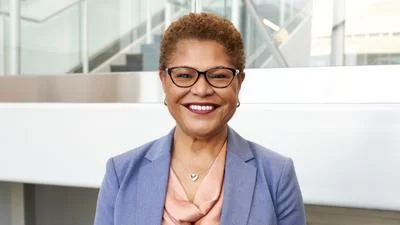
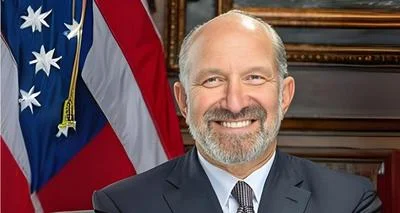
Assistant Secretary for Indian Affairs Billy Kirkland stated, “The Bureau of Indian Education is delivering results that matter—higher graduation rates, stronger academic growth, and expanded access to education options. This renewed direction continues President Trump’s and Secretary Burgum’s commitment to accountability and measurable progress, ensuring Native students are equipped with the skills and support they need to succeed at every stage of life.”
The Strategic Direction focuses on three main areas: student success; cultural identity and language; and wellness along with supportive learning environments. Among its goals are increasing the high school graduation rate to 87 percent, improving annual academic growth in English and math by five percent per year with each school tracking its own progress, expanding transition planning for college or career pathways, boosting retention and graduation rates at Bureau-operated technical colleges and universities, broadening access to Native language instruction, increasing partnerships with early childhood programs at various government levels, expanding comprehensive wellness frameworks while reducing chronic absenteeism by ten percent, enhancing use of technology planning tools in schools, and improving facilities management systems.
Bureau of Indian Education Director Tony L. Dearman commented: “This Strategic Direction defines clear goals and holds us accountable for meeting them. It strengthens our partnerships with tribal communities and ensures every student can succeed in an education system that respects their identity and supports their future.”
Development of this strategy involved feedback from over 1,500 staff members, stakeholders, and students. Progress will be tracked using BIE data systems with regular reporting from schools aimed at supporting transparency as well as responsiveness.