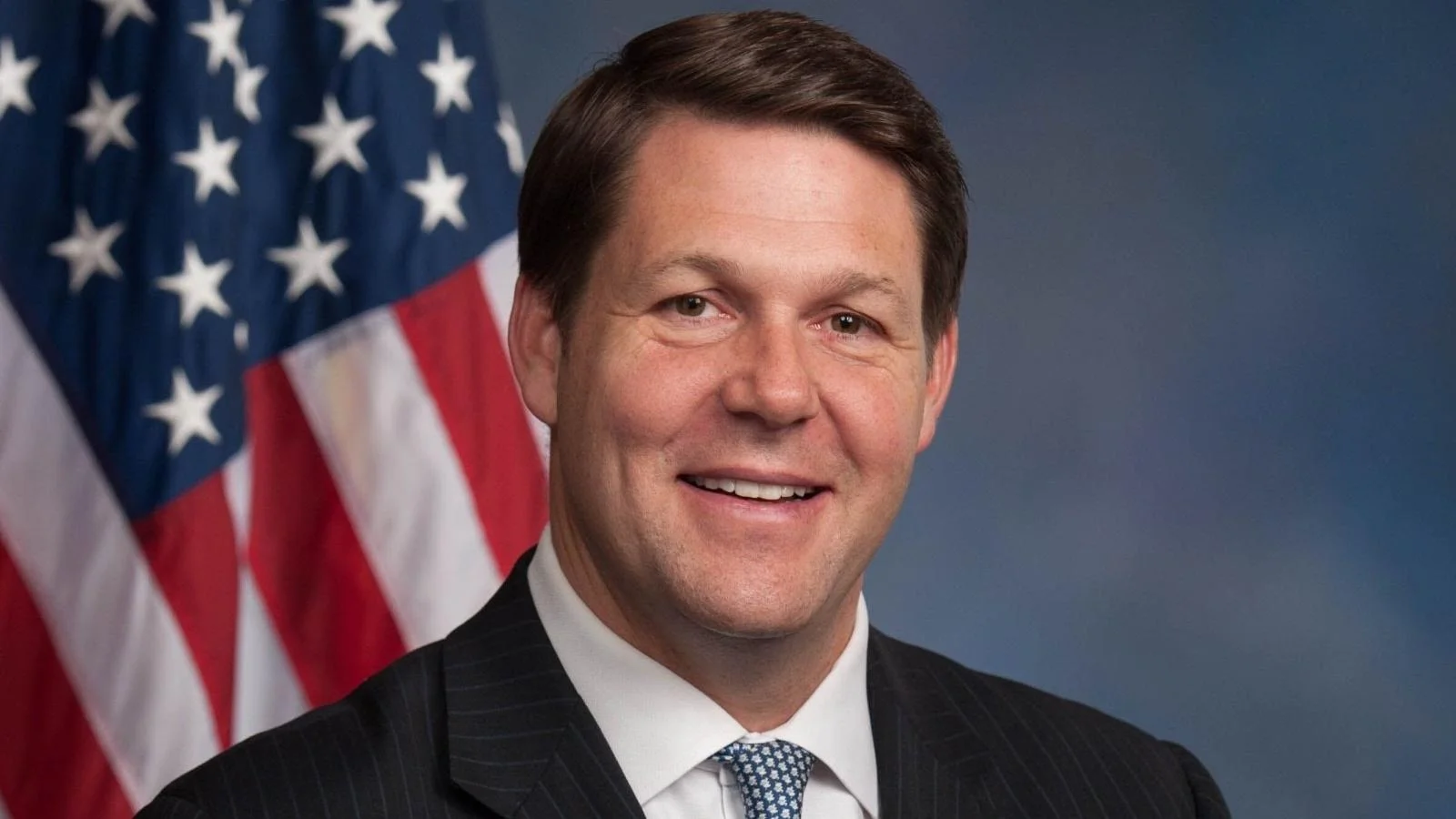
House Budget Committee Chairman Jodey Arrington (R-Texas) delivered opening remarks at a hearing focused on addressing rising health care costs and their impact on the nation’s fiscal future. The hearing, titled “Reverse the Curse: Skyrocketing Health Care Costs and America’s Fiscal Future,” was held in Washington, D.C.
Arrington began by noting bipartisan agreement about the challenge of increasing health care costs but highlighted differences in approaches to solving the problem. He stated, "I think most of the time, in addressing the big challenges facing our country, both Democrats and Republicans can agree. I think we certainly agree about the increasing and unsustainable cost of health care."
He cited that health care now makes up nearly one-fifth of the U.S. economy—almost $6 trillion—with about half of that funded by the federal government. Arrington pointed out shifts in spending patterns since the 1980s, when private sources accounted for 70 percent of health care spending compared to 30 percent from government sources. Today, he said, it is split evenly.
According to Arrington, "A third of the federal budget, if you exclude interest payments, is health care expenditures." He compared past and present spending levels: "And if we look back to 1975, we were spending $19 billion on health care as a nation. Today, it's almost $2 trillion, and in 10 years that will double."
Arrington identified factors beyond demographics contributing to rising costs and warned that increased spending is crowding out other national priorities such as defense while driving up national debt.
He expressed concerns over current fiscal trends: "Having World War-level debt and pandemic-level deficits in times of peace and prosperity is unsustainable—and it should be unacceptable to the leaders on this Committee who represent all parts of this country."
Arrington criticized what he called excessive reliance on government-run solutions like Obamacare. He said: "I hope after living with that for 15 years, we can all agree that more subsidies, regulations, and mandates are not the solution. And simply having health insurance coverage isn't the solution for affordability for working families across this great nation. We've seen deductibles and premiums both double since the advent of Obamacare."
He also voiced disappointment with some Republican colleagues who supported extending certain expansions tied to Obamacare: "I was very disappointed that 17 of my Republican colleagues joined the Democrats to extend what was supposed to be a COVID-era expansion of Obamacare. It was, according to all the watchdog groups, riddled with waste, fraud, and abuse. So that was a big disappointment."
Arrington called for Republicans to focus more on market-based reforms rather than only criticizing Democratic policies: "But on the part of Republicans, I don't think we do enough. We do more criticizing... than we… execute on the market-based reforms and free market policies that would result in better value for not only the patients and families... but for taxpayers and for future taxpayers."
He emphasized potential opportunities with upcoming legislative efforts: "I hope that with reconciliation 2.0 being a serious consideration, that we won't let this historic moment pass us by without endeavoring to fix what is broken."
Reflecting on recent achievements in tax reduction and mandatory spending cuts totaling $1.6 trillion, Arrington noted positive economic indicators but maintained that high health care costs remain burdensome: "I still think the biggest tax on our families and on our small businesses is the cost of health care."
He concluded by encouraging bipartisan cooperation but stressed readiness for unilateral action if necessary: "...If we can work with Democrats, we should. And if they won't, or we can't, we should have the courage to go it alone..."
The House Budget Committee plays an important role within Congress by overseeing federal spending oversight and developing budget guidelines aimed at promoting fiscal responsibility through its work on long-term programs and budget deficits (https://budget.house.gov/). The committee also prepares annual budget resolutions guiding spending targets (https://budget.house.gov/) and works closely with organizations such as the Congressional Budget Office for independent analyses (https://budget.house.gov/). Jodey Arrington currently serves as chairman (https://budget.house.gov/).
The committee operates within government fiscal policy oversight from Washington D.C., as part of its responsibilities under congressional legislation dating back to its establishment in 1974 (https://budget.house.gov/).