After several months of hearings, negotiations, and committee work, the House of Representatives has completed action on all twelve Fiscal Year 2026 appropriations bills. The process was described as transparent and member-driven, with bipartisan and bicameral participation. Six of the bills have already been signed into law.
The funding measures cover a wide range of federal responsibilities, including disaster preparedness, aviation safety, infrastructure modernization, pay raises for military personnel and air traffic controllers, biomedical research support for rural hospitals, anti-drug and anti-human trafficking efforts, local community investments, and support for supply-chain workers such as small businesses and farmers.
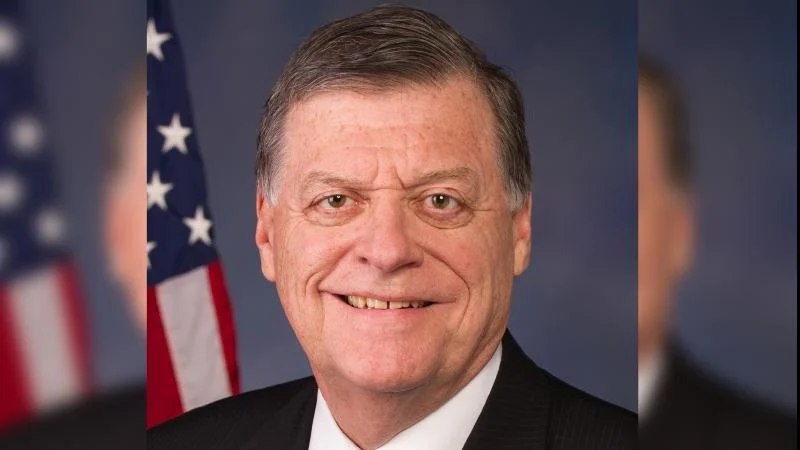
Chairman Tom Cole (R-OK) highlighted the collaborative nature of the effort: "This would not have been possible without our Speaker and his leadership team, Leader Scalise, Whip Emmer, Conference Chair McClain – they set the conditions and, frankly, they pushed the work down to us and out of leadership offices down to the committee level, just as the Speaker said he would do. So, his commitment to regular order...allow us to reach across the aisle. This Speaker is the reason these twelve bills happened. Mr. Speaker, we need to applaud you...I have to thank the White House and the President of the United States. President Trump endorsed every one of these packages...His support...was absolutely indispensable in getting this done...Finally I want to thank every member of the committee on both sides of the aisle...I would be remiss not to thank my working partner on the other side Rosa DeLauro...we would not have been able to have this process without her cooperation..."
Speaker Mike Johnson (R-LA) also spoke at a press conference marking passage: "We've got some of the greatest leaders in a generation or more up here behind this podium. I'm excited to celebrate this moment with them. Thanks to our appropriators and Chairman Tom Cole for being here today. This is a monumental achievement...Despite the noise...this team got it done...The House has now passed all twelve appropriations bills...With passage of these bills today Republicans will have finally replaced any Biden-era spending levels with Trump-era spending levels and policies..."
Several subcommittee chairs reflected on their roles:
Hal Rogers (R-KY), Commerce Subcommittee Chair: “I came on the Committee in 1983 under President Reagan ... We struggle every year ... until Tom Cole came along ... brought 100% of every dollar we spend under power of purse ...”
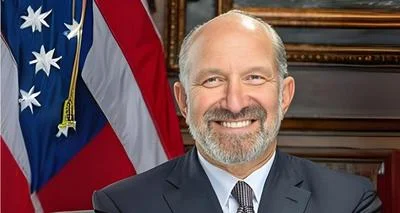
Robert Aderholt (R-AL), Labor Subcommittee Chair: "It is a great day for Appropriations ... I was honored to serve as chair ... lead and try rein in spending where we need ... but also support those programs that need supported..."
Mike Simpson (R-ID), Interior Subcommittee Chair: "Whether you believe it or not this really is a big day ... We’ve moved this when nobody thought we were going be able move all these twelve bills across floor..."
John Carter (R-TX), Military Construction Subcommittee Chair: "This is a team action. Every bill every member made up their mind they were going make sure every one these bills passed..."
Ken Calvert (R-CA), Defense Subcommittee Chair: "It’s a great day for men women who serve United States military ... We do lot in this bill for more ships more planes more munitions more everything that we need make country safe secure..."
Chuck Fleischmann (R-TN), Energy Subcommittee Chair: "...Chairman Cole ushered new era in appropriations ... I thank President Trump his great Administration giving us budget but then Congress comes together works gets it done."
David Valadao (R-CA), Legislative Branch Subcommittee Chair: "Today Congress has followed through on its commitment get back regular order deliver American people by passing all twelve Fiscal Year 2026 funding bills..."
The next step lies with Senate consideration before government funding expires January 31.
House Republicans stated they plan to continue using similar approaches focused on transparency for future fiscal years.