The Congressional Budget Office (CBO) has released its updated long-term budget outlook, projecting that the United States' federal debt will reach $182 trillion by 2056. This figure is approximately $2 million per American family of four, which is seven times higher than the current debt burden per household.
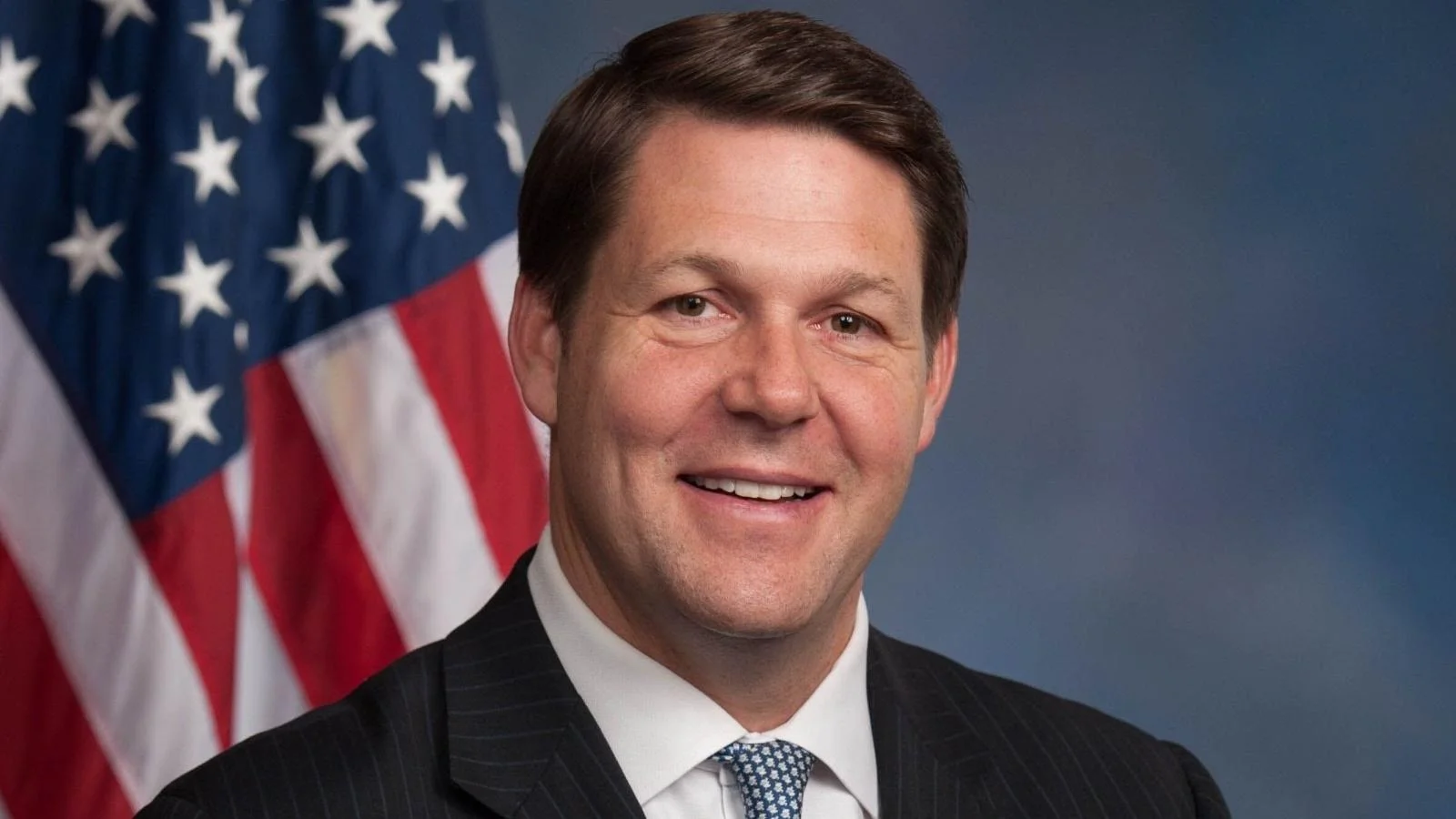
House Budget Committee Chairman Jodey Arrington responded to the report, stating: "This CBO report confirms what we already know: America’s fiscal trajectory is unsustainable. Our long-term budget outlook goes from bad to far worse, with gross federal debt projected to reach $182 trillion by 2056—that’s roughly $2 million per American family. I have warned time and time again that runaway mandatory spending and our crushing national debt represent the single greatest danger to our nation’s prosperity and our children’s future. This additional alarming report underscores that we must continue to rein in runaway spending and reignite economic growth.
Republicans have taken meaningful steps to restore fiscal discipline. Before House Republicans took back control in 2023, discretionary spending was growing by roughly 5% per year with no end in sight. We have slowed discretionary spending over the last few years by 85%. Last year, Republicans enacted permanent tax relief, unleashed domestic energy production, and significantly reduced federal spending. As a result, interest rates and inflation are down, real wages and take-home pay are up, and we’ve witnessed an economic and growth surge of 4.4% in the third quarter of last year. In fact, with strong economic growth, constrained spending, and record trade-related revenue, the deficit is down from 6.3% to 5.8%.
But lasting solutions will require leadership from both parties. The structural imbalance in our federal budget—driven primarily by autopilot spending in our largest entitlement programs—cannot be ignored any longer. That is why the House Budget Committee will continue to pursue a bipartisan debt commission. While not a silver bullet, a commission can provide a serious, solutions-oriented, and depoliticized forum to level with the American people about the drivers of our debt and forge consensus around reforms to put our nation on a sustainable path."
According to CBO projections cited in the report:
- Gross federal debt as a share of GDP will rise from 123 percent in 2025 to 190 percent by 2056.
- The average gross federal debt over the past fifty years has been about 70 percent of GDP.
- Federal deficits are expected to exceed five percent of GDP every year between 2020 and 2056; historically there have not been more than five consecutive years at this level except during World War II.
- Federal spending is projected to increase from its fifty-year average of about 21 percent of GDP up to nearly 28 percent by mid-century.
- Mandatory programs will make up an increasing share of total expenditures.
- Interest payments on national debt are set to surpass all defense outlays before exceeding total discretionary funding after 2038.
Revenue collection is expected by CBO estimates to average just above historical norms at about eighteen percent of GDP for three decades ahead.
Economic growth forecasts show an average annual rate of only 1.7 percent over thirty years—a marked slowdown compared with postwar averages.
Population trends also contribute: The U.S. faces its slowest population expansion ever through mid-century at just over one percent per decade; deaths are projected soon to outnumber births nationwide.
The House Budget Committee, which includes members from other key committees such as Ways and Means and Appropriations (FACT 1), plays a central role in overseeing federal expenditures (FACT 2). Under Chairman Jodey Arrington's leadership (FACT 3), it uses processes like reconciliation for managing budgets (FACT 4) while working closely with independent analyses provided by the Congressional Budget Office (FACT 5). The committee prepares annual resolutions guiding congressional action on fiscal targets (FACT 6).