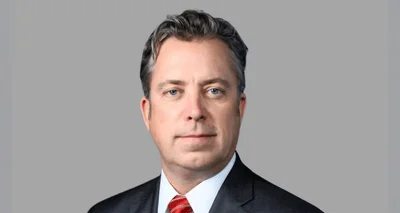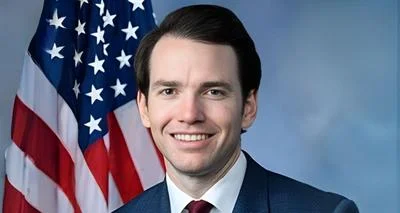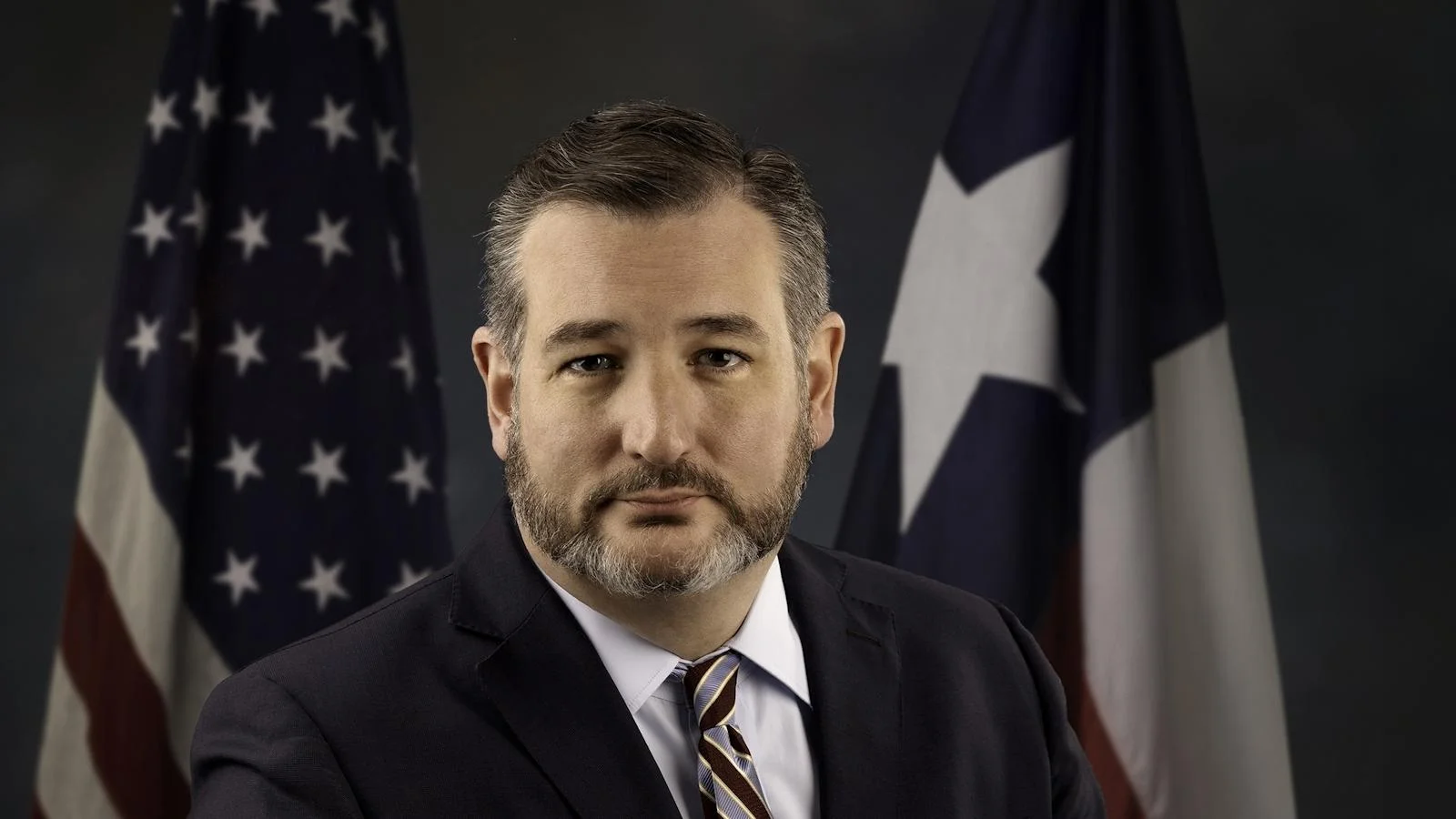
U.S. Senator Dan Sullivan (R-Alaska), who leads the Senate Commerce Subcommittee on Coast Guard, Maritime, and Fisheries, held a hearing focused on the Coast Guard’s operations in the Arctic. During the session, Coast Guard Commandant Admiral Kevin Lunday confirmed that Alaska could receive up to four of the eleven Arctic Security Cutters included in recent agreements between the U.S. and Finland.
At least three of these new cutters, along with related infrastructure, are funded through the Working Families Tax Cuts Act (WFTCA). This legislation represents a $25 billion investment in the U.S. Coast Guard—the largest in its history—passed last year via budget reconciliation.
Senator Sullivan opened his remarks by highlighting recent rescue missions: “Good morning everybody. Earlier this month, the men and women of the United States Coast Guard carried out a number of incredible rescue missions, saving nine people from a commercial fishing vessel that ran aground on Saint George Island. Closer to home, a larger scale heroic number of rescues followed after Typhoon Halong in Western Alaska, where some of our smaller communities were hit by this massive typhoon.
“Our Coast Guard, working with the National Guard, rescued 51 Alaskans in the middle of the night during a typhoon. These missions are a powerful reminder that the Coast Guard's work is not abstract. It is immediate, dangerous, and often the difference between life and death for Americans. Today's hearing-- and I am very honored to have our newly confirmed Commandant of the United States Coast Guard, Admiral Kevin Lunday-- is about making sure the historic investments Congress made in the United States Coast Guard translate into real operational capability, where it matters most, when it matters most.”
Sullivan underscored that last year’s WFTCA included significant funding for modernization: “Just to remind folks, and I try to remind everybody in Alaska about this, last year during the budget reconciliation bill-- what we now refer to as the Working Families Tax Cuts Act--the Congress of the United States, working with the Trump administration, made the biggest investment in the Coast Guard in American history, $25 billion.”
He added that while historically praised for doing “more with less,” he believes it is time for “the Coast Guard to do more with more.” The investments will fund 16 new icebreakers—currently only two exist—and address what Sullivan called an “Icebreaker gap” compared to Russia’s 54 vessels.
The funding also covers nearly $4.5 billion for repairs and replacement of shoreside facilities and other aging infrastructure; 22 new cutters; 40 helicopters; and six C-130J aircraft.
Sullivan noted increasing global demands on Coast Guard operations—from counter-drug missions to search-and-rescue efforts—and emphasized growing strategic concerns in Alaska’s Arctic waters due to activity from Russia and China.
He referenced recent joint Russian-Chinese operations near Alaska: “Flip that slide over. This gives you the number of incursions from Russian strategic bombers and Chinese Navy assets... That’s joint Russian Chinese. The Chinese are off the coast of Alaska all summer.”
He also submitted for record a Wall Street Journal article titled "China's Push to Master the Arctic Ocean Opens an Alarming Shortcut to U.S.", stating: "They weren't doing research. They were spying on us..."
The hearing addressed how these new resources will be deployed globally as well as specifically within Arctic regions like Alaska—marking what Sullivan described as "a generational investment" both for national security and local capabilities.
“Again,” he concluded,“the most significant investments in Coast Guard history. It's about time... Admiral [Lunday], we appreciate your leadership... as these historic investments begin to come online.”