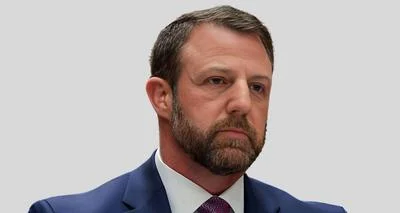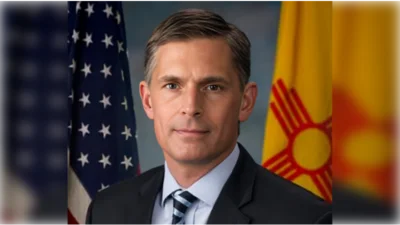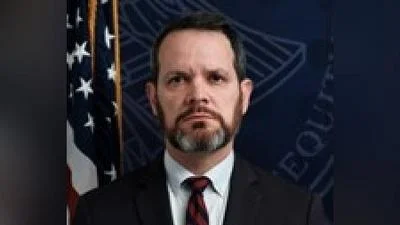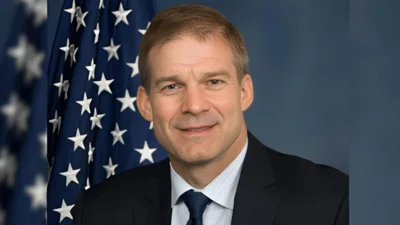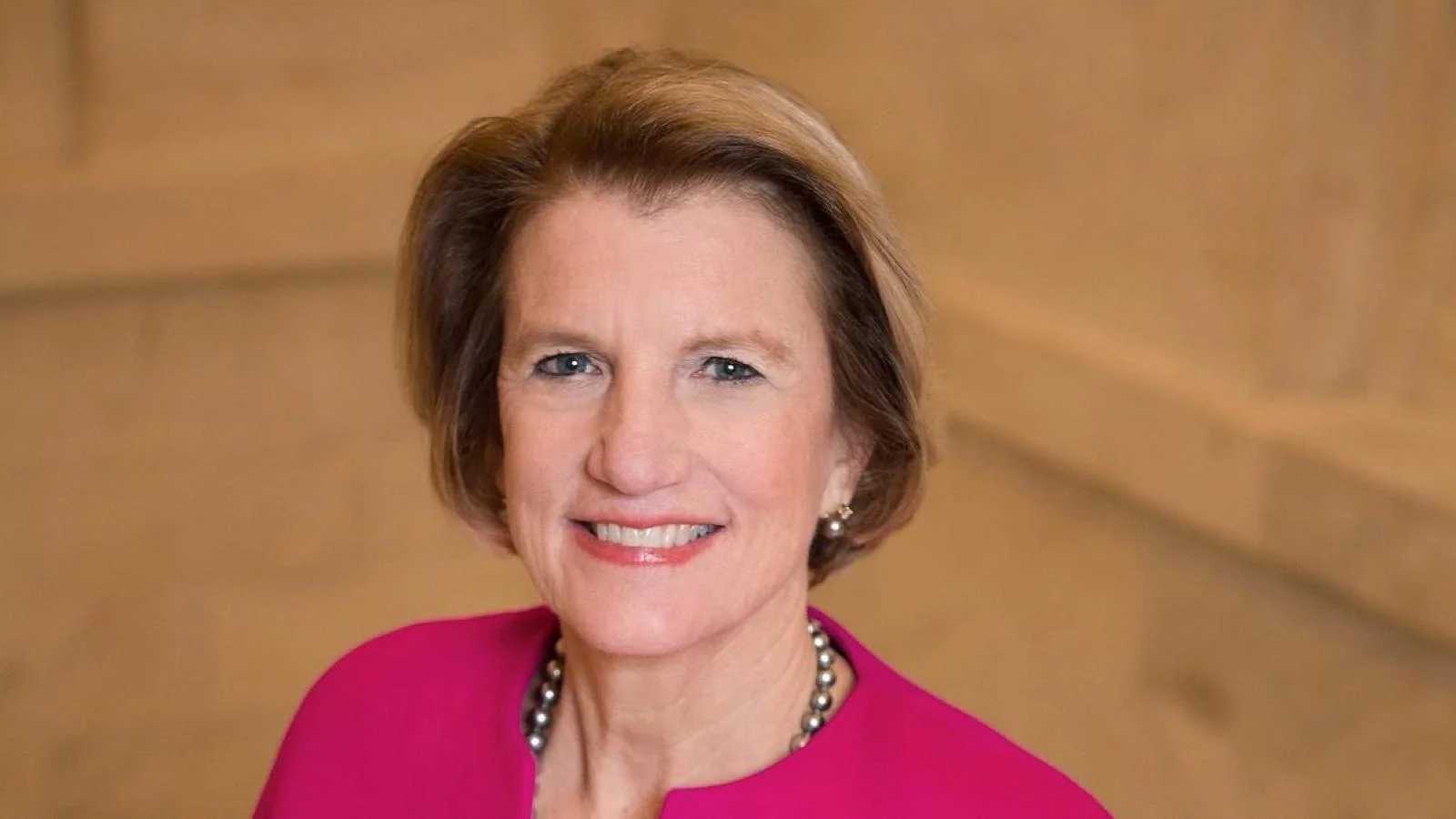
U.S. Senator Shelley Moore Capito, who chairs the Senate Environment and Public Works (EPW) Committee, led a hearing in Washington, D.C., to address cybersecurity issues affecting the nation's water infrastructure. The hearing focused on identifying challenges and potential legislative solutions to protect American drinking water and wastewater systems from cyber threats.
In her opening statement, Capito highlighted the scale of the issue: “Today we will examine the challenges facing drinking water and wastewater systems to install, implement and maintain adequate cybersecurity, as well as try to identify opportunities to address these challenges through new legislation.”
She thanked witnesses for sharing their expertise on enhancing the resilience of water and wastewater systems. Capito noted that there are approximately 170,000 water and wastewater utilities across the United States, which play a critical role in providing safe and reliable services to communities.
Capito addressed concerns about recent cyberattacks linked to foreign actors such as Iran, China, and Russia targeting U.S. water infrastructure. She explained that attacks can involve ransomware or manipulation of operational technology, potentially disrupting service or altering chemical levels in unsafe ways.
“Either way, a successful attack that disrupts safe and reliable water or sanitation services or exposes sensitive customer data could be debilitating for impacted communities. These threats must be acknowledged and challenged, particularly as technological advances, such as AI, increase the speed and efficiency of these attacks,” Capito said.
The senator pointed out that while digital control technologies help utilities operate more efficiently, they also introduce new vulnerabilities. She called for collaboration among utilities, federal agencies, and cybersecurity experts to improve system resilience.
“Increasing water system resiliency requires us to take a clear-eyed look at the many challenges and shortcomings that our utilities are facing,” she said. Challenges include outdated legacy systems, workforce shortages limiting expertise, and inconsistent cybersecurity practices such as shared logins or unchanged default passwords.
Capito cautioned against one-size-fits-all federal mandates: “A one-size-fits-all mandate from the federal government will likely be overly burdensome and unworkable, particularly for our smaller systems.” She emphasized balancing federal oversight with empowering local utilities.
She concluded by stressing that maintaining resilience against cyber threats is an ongoing process: “Building and maintaining resilience against cyber threats is not a one-and-done event – it is ongoing and ever-evolving.”
The EPW Committee operates from its base in the Senate Dirksen Office Building in Washington to support hearings like this one (official website). The committee oversees programs related to environmental quality, natural resources management, infrastructure policy—including clean air and water—and has broad influence over national environmental regulations (official website). Capito serves as chair alongside members such as Kevin Cramer and Cynthia Lummis (official website).
The committee works through subcommittees on issues including clean air standards, transportation infrastructure maintenance, wildlife protection policies (official website), aiming to balance conservation efforts with national needs across the United States (official website).