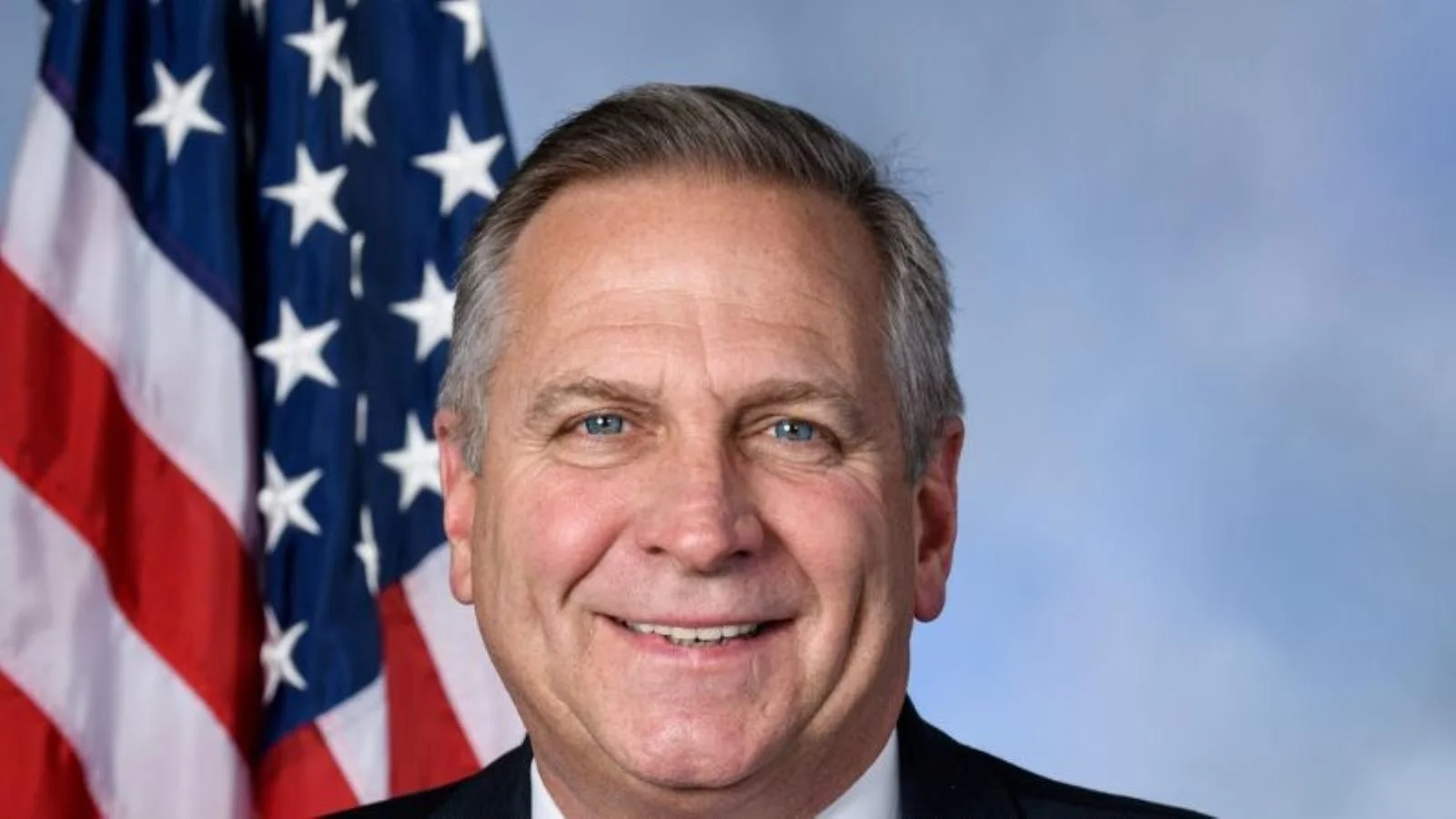
Rep. Mariannette Miller-Meeks, Chairwoman of the House Committee on Veterans’ Affairs Subcommittee on Health, opened an oversight hearing focused on the impact of traumatic brain injury (TBI) among servicemembers and veterans. The session examined how the Department of Veterans Affairs (VA) addresses TBI care and treatment for those who have served.
Miller-Meeks highlighted that March is recognized as brain injury awareness month, underscoring the relevance of the hearing. She noted that "in a budget briefing last summer, VA shared that TBI is the top clinical, legislative, and agency priority." She expressed interest in learning about VA's progress in prioritizing TBI and expectations for the remainder of the year.
The chairwoman stated her confidence in VA’s capacity to treat TBI effectively: "I am confident VA has all the data, legal authority, and funding it needs to effectively treat TBI. Right now, I believe VA’s main objective should be to build on the quality of data and quality of care for the veteran."
She emphasized VA's strengths in specialized treatment, rehabilitation, and research related to TBI. Upon enrolling in VA healthcare, veterans are assigned primary care teams trained specifically for issues like TBI. According to Miller-Meeks: "I am pleased that TBI and other issues unique to veterans are a part of the primary care experience at VA, not a specialty that requires extra steps."
The importance of polytrauma centers was also discussed. These centers serve as key resources for veterans with complex injuries including TBI and act as knowledge hubs nationwide.
Research efforts such as LIMBIC—a longitudinal program examining long-term effects of mild TBI—were cited by Miller-Meeks. She outlined its goals: "(1) learn more about how concussion affects the brain, (2) find out the effects of concussion later in life... (3) see if some service members and veterans are more likely to be affected, and (4) identify the best treatments for concussion." Findings from this research have linked combat concussions with conditions like dementia and Parkinson’s disease.
Despite positive feedback from some veterans regarding their experiences with VA care—including a report by the Office of Inspector General confirming adequate treatment at one facility—Miller-Meeks acknowledged ongoing challenges. She pointed out instances where inadequate follow-up or failure to consult after positive TBI screenings led to negative outcomes for patients.
"This is unacceptable," she said regarding cases where required care was not provided following a positive screen for TBI. "These veterans earned TBI care at VA. Their service demands better."
Miller-Meeks stressed that both consistency in patient care quality and accurate data reporting remain areas needing improvement within VA systems. Inaccurate or outdated information can affect resource allocation both within medical centers and at congressional levels.
"As a practitioner and 24-year Army veteran," she said, "I know excellence is possible. And it is imperative. The one who bears the cost of shortfalls is always—always—the veteran."
She also recognized veterans using residential rehabilitation programs for TBI—a small but significant group—and praised ongoing efforts by relevant programs within VA geriatrics and extended care services.
Concluding her remarks, Miller-Meeks stated: "Under my leadership, veterans’ health will always be this subcommittee’s priority. We must eliminate preventable errors." She voiced confidence in current leadership under Chairman Bost as well as past leaders President Trump and Secretary Collins regarding continued improvements in veteran care.