With President Donald Trump’s signature this week, over 95% of the federal government is now funded through full-year fiscal year 2026 appropriations. The legislation marks the completion of 11 out of 12 funding bills for FY26, according to House Republican leadership. This development follows a period of negotiation and committee work aimed at providing more stability in government operations.
"Surrounded by House and Senate Appropriators and members of Congress, President Trump signs H.R. 7148 into law – marking 11 of 12 FY26 funding bills completed. Gone are the days of bloated omnibuses. Full-year appropriations are delivering certainty for agencies and the American people."
House Appropriators say they advanced a process that emphasized member input and district priorities, aligning with what they describe as an "America First" agenda. "We promised the American people a change in the status quo – and that was precisely what we delivered. House Appropriators advanced a responsible, member-driven process. Our legislation reflected member input, district-driven focus, the America First agenda, and collaboration that serves the nation."
The appropriations process included hearings, committee markups, reporting all 12 bills from the House Appropriations Committee, and bipartisan negotiations between both chambers of Congress.
"Congress did the work – and with President Trump's signature, full-year funding becomes law. This is the culmination of a process that included hearings, markups, reporting all 12 FY26 bills out of the House Appropriations Committee, and conferenced work carried out through bipartisan, bicameral negotiations."
Key defense measures in this year’s appropriations were led by Defense Subcommittee Chairman Ken Calvert. These include pay raises for military personnel as well as efforts to modernize capabilities.
"Defense Subcommittee Chairman Ken Calvert sent a clear message through our FY26 Defense bill –America’s military will remain the strongest in the world. It implements a well-earned pay raise for our troops and restores deterrence by prioritizing readiness, modernizing capabilities, and reinforcing U.S. military superiority." In addition to defense spending reductions totaling $9.3 billion were made while shifting resources toward national security priorities under NSRP Subcommittee Chairman Mario Diaz-Balart.
Other areas targeted by these spending bills include biomedical research funding, workforce training programs for students entering new fields or industries—priorities identified by LHHS Subcommittee Chairman Robert Aderholt—as well as support for rural hospitals.
"LHHS Subcommittee Chairman Robert Aderholt’s FY26 Labor, Health and Human Services, and Education measure reflects the will of the American people – advancing accountability and new priorities, including making America healthier and more skilled. Investments are directed where they matter most: lifesaving biomedical research and resilient medical supply chains, classrooms and workforce training that prepare the next generation for success, and rural hospitals and primary care to confront the chronic disease epidemic."
In economic policy areas such as small business support or technology upgrades within government agencies—efforts led by FSGG Subcommittee Chairman David Joyce—the aim was to improve efficiency while reducing waste.
"Through the FY26 Financial Services and General Government provisions, FSGG Subcommittee Chairman David Joyce prioritized economic growth, consumer freedom, and support for entrepreneurship and small businesses. The bill also advanced needed government efficiencies by cutting waste, modernizing technology and cybersecurity, and addressing unused federal space and buildings – delivering a more accountable government that works better for the American people."
The previously enacted Military Construction/Veterans Affairs bill continues to fund veterans’ health care services as well as benefits programs.
"The previously enacted FY26 Military Construction, Veterans Affairs, and Related Agencies Appropriations Act, led by MilCon-VA Subcommittee Chairman John Carter, fully funds veterans’ health care, benefits, and VA programs and supports President Trump’s efforts to combat veteran homelessness. Appropriators continually advanced targeted measures through a disciplined, phased process."
On infrastructure matters—such as air traffic control modernization or transit safety—measures were led by THUD Subcommittee Chairman Steve Womack.
"Led by THUD Subcommittee Chairman Steve Womack, the FY26 Transportation, Housing and Urban Development measure strengthens infrastructure, modernizes air traffic control improves transit safety,and supports local communitiesand economic growth.Besides policy ,President Trump poignantly shared a personal moment with Rep.Womack ,who recently facedthe loss of his beloved wife,Terri."
Leadership from both chambers contributed to moving these packages forward in smaller increments rather than relying on larger omnibus spending packages seen in previous years.
"Houseand SenateAppropriations leaders have driven results fortheAmericanpeoplebydoing exactly whatwetoldthenationwewould :breakingthefailedstatusquoandputtingdisciplineandaccountabilitybackincharge.Membershavesuccessfullyadvancedsmall,targetedpackagesthatreflectsavingsforthetaxpayers,theAmericaFirstagenda,andamember-drivenprocess ."
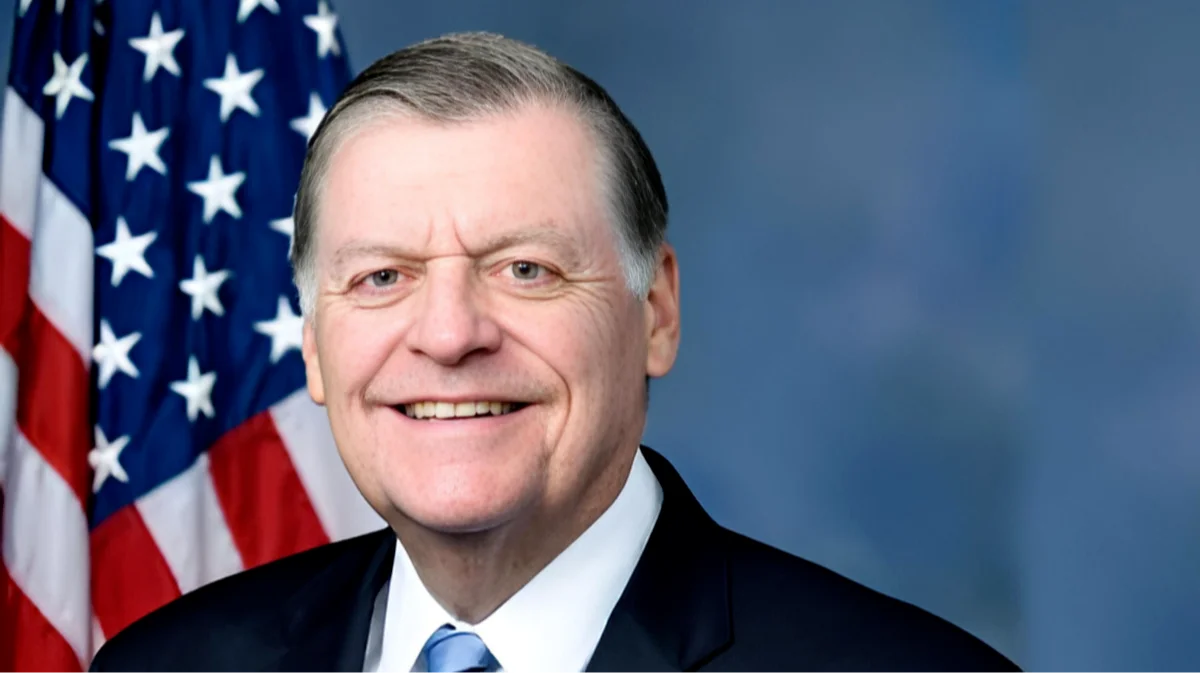
Chairman Tom Cole (House) worked alongside Chairwoman Susan Collins (Senate) during this period.
"House Appropriations Chairman Tom Coleand SenateAppropriations Chairwoman SusanCollins sharedacommitmenttogoverningresponsibly ,advancingatransparentanddeliberateprocess ,andprovidingthecertaintyneededtomovefull-yearfundingbillsthroughCongress.Guidedbyfiscalresponsibilityandeffectivepolicy ,theyworkedtogether–alongsidetheirsubcommitteecardinals–toimplementRepublicanpriorities.TheirpartnershipupheldArticleIanddeliveredrealresultsfortheAmericanpeople ,culminatinginPresidentTrumpsigning11full-yearFY26billsintolaw ."
According to information from its official website here, notable personnel on the House Committee on Appropriations include both Republican members like Harold Rogers as well as Democrats such as Steny Hoyer; it also provides guidance on community project requests incorporated into annual spending legislation; oversees drafting all twelve annual federal spending bills; influences major policy via funding legislation; has Tom Cole serving currently as chairman (the forty-third person to do so); all playing roles in shaping these latest budget outcomes.