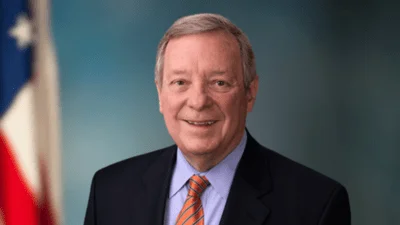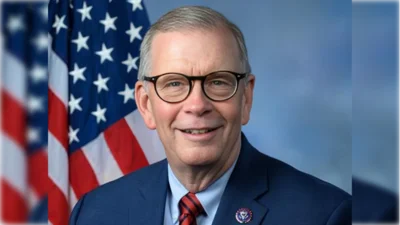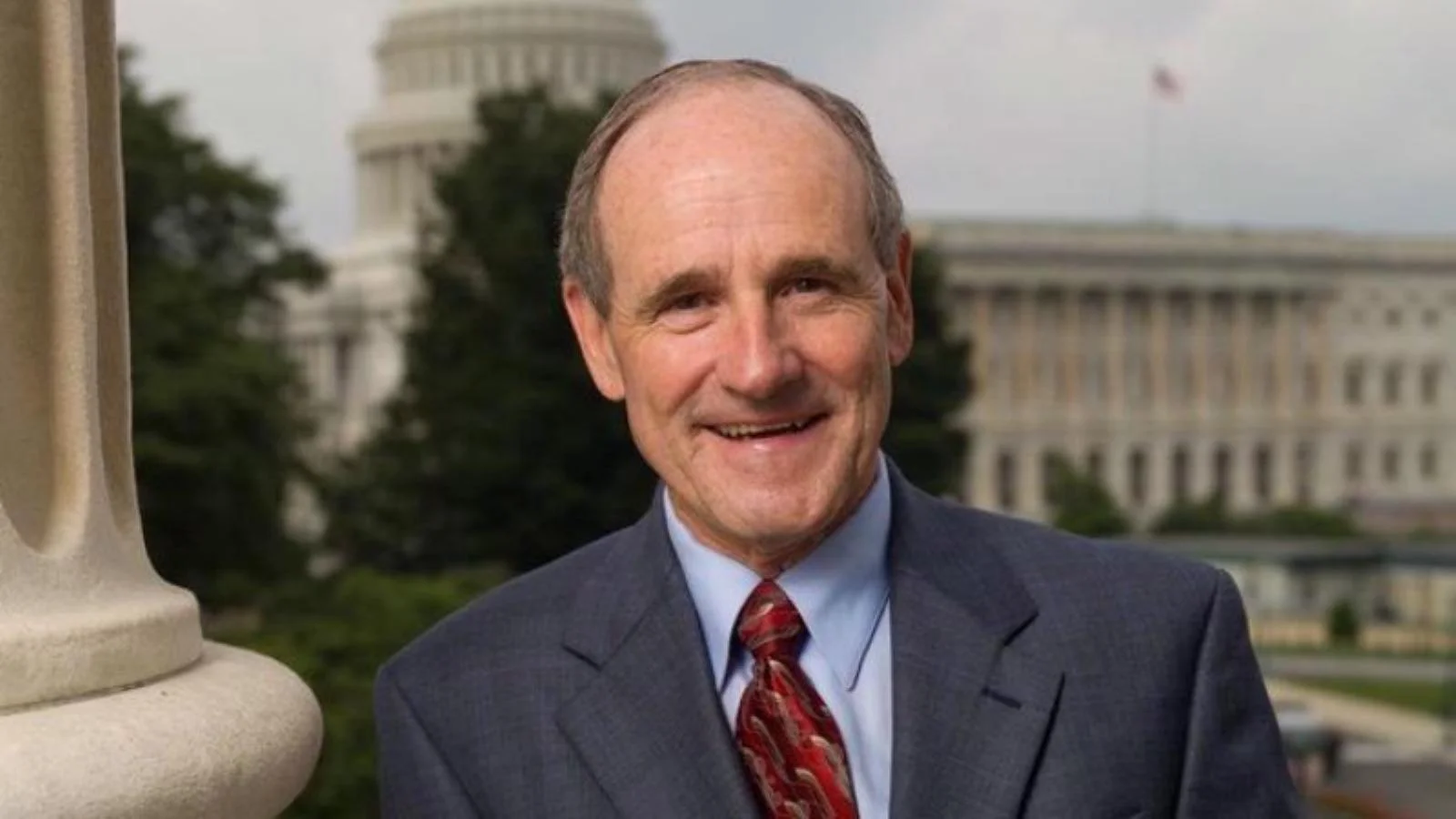
U.S. Senators Jim Risch and Jeanne Shaheen, who serve as chairman and ranking member of the Senate Foreign Relations Committee, met with President Félix Tshisekedi of the Democratic Republic of Congo (DRC) at the United States Capitol. The meeting focused on The Washington Accords for Peace and Prosperity and future relations between the U.S. and DRC.
In a joint statement after the meeting, Risch and Shaheen said, “We were glad to welcome President Félix Tshisekedi to the United States Capitol today to discuss The Washington Accords for Peace and Prosperity, and the future of the U.S.-DRC bilateral relationship. The United States is ready to be a stronger partner to the DRC and this bipartisan support must be met with serious efforts by all parties to meet their commitments to The Accords. As we have said previously, the U.S. must also act against those who have already broken their commitments to deter further violations.”
The senators highlighted topics discussed during their meeting: “In our meeting with President Tshisekedi, we discussed the importance of our critical minerals’ partnership and continued investment in revitalizing the Lobito Corridor to foster mutual economic growth, regional trade, and long-term U.S.-Africa cooperation.”
They also addressed security concerns in eastern Congo: “We also expressed our concerns about the ongoing occupation of parts of Eastern Congo by the Rwanda-backed M23 group, and the urgent need for Rwandan forces to fully withdraw from the region if there is to be any chance at real, lasting peace. The humanitarian catastrophe in eastern DRC, where 26 million people face acute food insecurity, is intolerable. Women, children, and minority communities cannot remain collateral damage.”
On steps toward stability in DRC, they added: “In order to ensure long-term stability, the DRC must do its part to deescalate the conflict by taking decisive action against the FDLR and violent Wazalendo militias harming local communities. We hope that following this visit, the DRC recommits to a credible national dialogue over military solutions, so that Kinshasa can build the political cohesion needed to unify the country and strengthen the future of our bilateral partnership.”
The Senate Foreign Relations Committee plays a key role in shaping U.S. foreign policy through reviewing treaties and legislation as outlined on its official website. Established in 1816 as one of Congress’s original standing committees (source), it operates as a legislative body focused on international relations (source). Leadership within this committee consists of a Chairman representing majority members and a Ranking Member representing minority members (source). Over time, it has influenced major foreign policy decisions such as supporting or rejecting significant treaties like Versailles in 1919-1920 (source) or backing initiatives like the Truman Doctrine in 1947 (source).