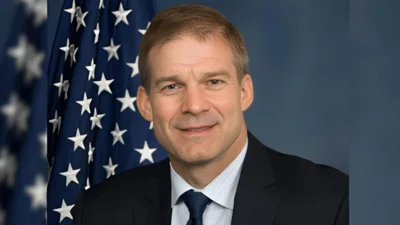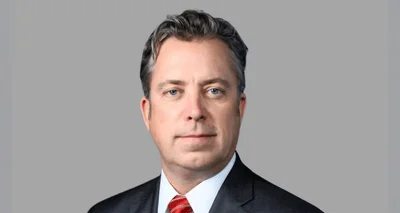
U.S. Senator Sheldon Whitehouse, Ranking Member of the Senate Environment and Public Works Committee, and Congressman Scott Peters led 24 members of Congress in urging the European Union to maintain strong implementation of the European Union Methane Regulation (EUMR). The lawmakers expressed concern that any weakening of these standards or granting broad exemptions would negatively impact global energy security, climate progress, and fair competition for U.S. energy producers.
In a letter addressed to European Commission President Ursula von der Leyen, the lawmakers wrote: “The EUMR is a critical tool to incentivize the capture of natural gas that would otherwise be wasted and emitted into the atmosphere. Setting clear, consistent rules for all suppliers is essential to reduce trade barriers between countries with cleaner oil and gas, provide a credible foundation to reward producers—like many in the United States—that deploy readily available common-sense methane reduction technologies, and alleviate the EU’s dependence on dirty natural gas from Russia.”
Methane emissions from the oil and gas sector result in the waste of 200 billion cubic meters of natural gas each year globally. This amount is nearly equivalent to what the United States exports annually. The letter noted that many U.S. companies are leaders in methane management and can comply with EUMR requirements: “U.S. industry is in a strong position to be a reliable supplier to the EU and comply with EUMR requirements, so long as it can rely on a durable and transparent EU regulatory landscape,” according to the lawmakers.
The Trump Administration has recently criticized the EUMR. In December, the Department of Energy sent a letter requesting that the EU delay data reporting requirements for U.S. companies, grandfather existing contracts, and waive penalties for non-compliance related to U.S. exports. Lawmakers stated these actions could allow continued methane pollution and undermine stable regulation in Europe.
These efforts reflect domestic policy changes under which revisions or delays have been made by agencies such as the Environmental Protection Agency regarding methane regulations.
The congressional group called on EU leadership not to grant broad exemptions but instead address technical issues through consultation: “We encourage the European Commission to conduct necessary technical consultations with relevant experts across American federal and state governmental entities, industry, academia, and non-governmental organizations to support implementation of the EUMR, in lieu of issuing sweeping exemptions that go far beyond the technical and methodological implementation questions at hand,” they wrote.
They also reiterated their commitment to working collaboratively with both U.S. stakeholders and European partners on these matters while supporting timely enforcement of methane standards.
Other signatories included Senators Martin Heinrich (D-NM), Ben Ray Luján (D-NM), Jeff Merkley (D-OR), Brian Schatz (D-HI), as well as Representatives Yassamin Ansari (AZ-03), Nanette Barragán (CA-44), Don Beyer (VA-08), Julia Brownley (CA-26), Troy Carter (LA-02), Kathy Castor (FL-14), Diana DeGette (CO-01), Laura Friedman (CA-30), Daniel Goldman (NY-10), Jared Huffman (CA-02), Teresa Leger Fernandez (NM-03), Ted Lieu (CA-36), Eleanor Holmes Norton (DC), Mike Quigley (IL-05), Janice Schakowsky (IL-09), Kim Schrier (WA-08), Melanie Stansbury (NM-01) and George Whitesides (CA-27).
Senator Whitehouse had previously led similar calls alongside Representative Peters for swift action on implementing methane regulations within Europe.
The Senate Environment and Public Works Committee maintains its administrative base at the Senate Dirksen Office Building where it supports hearings related to environmental quality, infrastructure needs nationwide, conservation policies balancing national priorities official website. Shelley Moore Capito currently chairs this committee alongside other members including Kevin Cramer and Cynthia Lummis official website. The committee’s jurisdiction includes oversight over legislation affecting environmental regulations across federal programs official website, influences national policy concerning wildlife protection official website, collaborates through subcommittees focused on clean air initiatives official website, water resources management official website, transportation infrastructure maintenance official website.