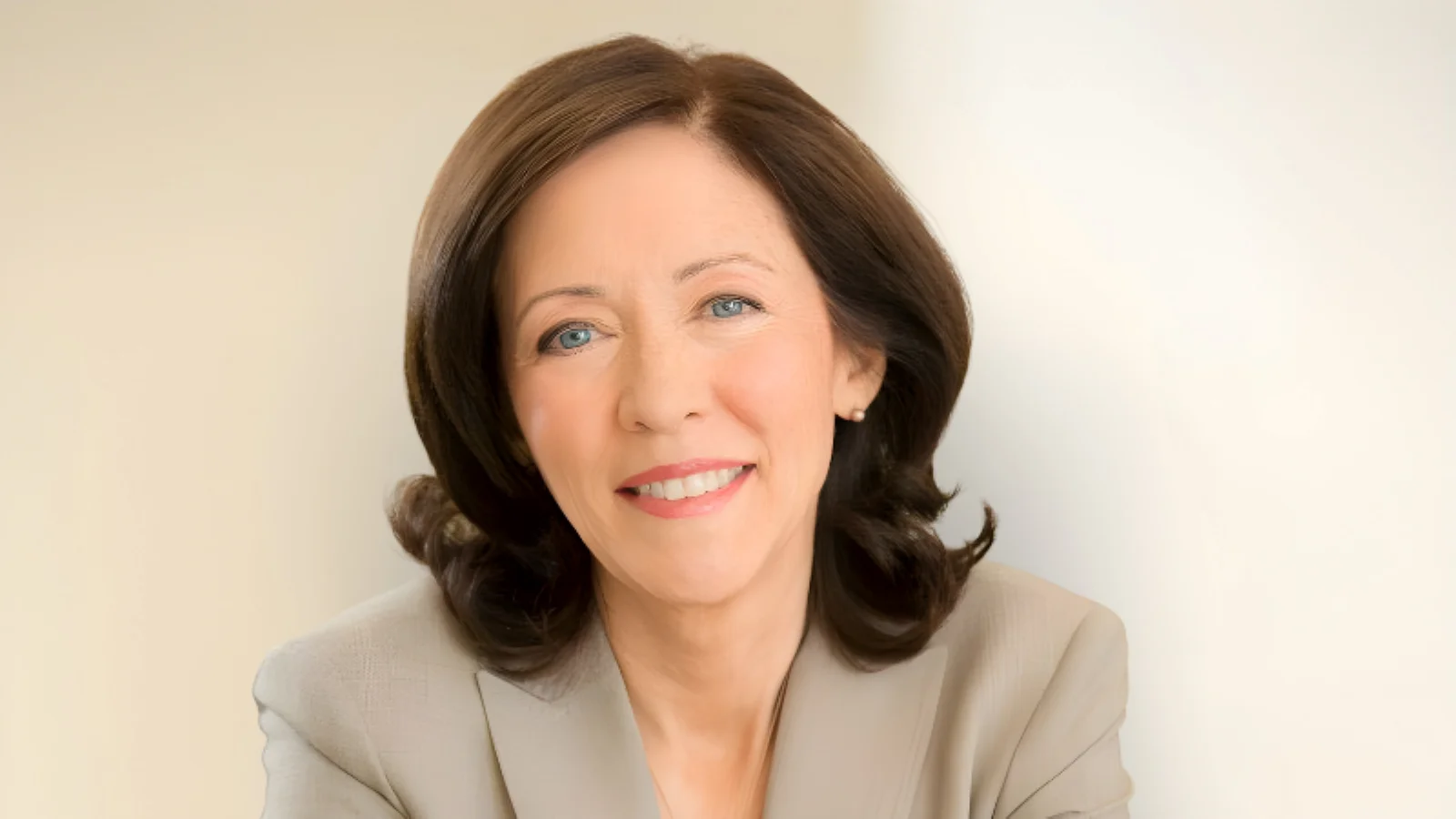
U.S. Senator Maria Cantwell, Ranking Member of the Senate Committee on Commerce, Science and Transportation, delivered opening remarks at a hearing focused on the future of broadcast ownership. The session included testimony from Chris Ruddy, CEO of Newsmax; Curtis LeGeyt, President and CEO of the National Association of Broadcasters; Thomas Johnson, Partner and Co-Chair of Issues and Appeals at Wiley Rein LLP; and Steve Waldman, President of Rebuild Local News.
Senator Cantwell began by thanking the committee chairman and witnesses for attending. She stated: “Thank you, Mr. Chairman, and thank you for calling the hearing and the witnesses to be here today. This is a subject that, generally, I would say I care a lot about and I do think that today we'll get into a pretty big debate about the amount of digital content now in advertising, and controlling that market."
She highlighted concerns about consumer access to content behind paywalls: “I also think we'll hear a lot about why it's not a good idea for consumers to have so much content behind paywalls and them not being able to access it. I think the first two witnesses will agree on that. I'm not sure they're going to agree on other things, but they are going to agree there.”
Cantwell referenced recent national events such as the Super Bowl and Olympics as examples of shared experiences made possible through broadcast media but noted these are becoming less common due to changes in the media landscape.
She expressed concern over increased consolidation in broadcast ownership: “If the Nexstar-Tegna deal goes through, a single company will control 265 stations capable of reaching 80 percent of all the television households, more than double the current cap. And for nearly half of their audience – 100 million people – Nexstar would own two or more stations in a media market. Now that concerns me. To me, that is not more local voices, that is fewer.”
Cantwell cited declining numbers in local journalism employment: “We've invited Mr. Waldman who in his testimony says that [there are] roughly 40 local journalists for every 100,000 Americans. Today, that number is eight. That was in 2002. That number is now down to eight.” She also mentioned recent layoffs at major news outlets as further evidence of industry challenges.
The senator discussed potential impacts from artificial intelligence on journalism: “Local news is quite literally...the seed – corn seed...for AI...You can't have perfect information if journalists aren't creating it...” She described what she called a "vicious cycle" where less local news leads to less accurate AI outputs.
To address these issues Cantwell referenced legislative efforts including introducing bipartisan legislation with Senator Blackburn aimed at preventing AI companies from using journalistic content without consent and supporting tax credits for local journalism.
She concluded by emphasizing her focus on maintaining diverse local voices rather than increasing consolidation: “Changes to the cap do not address the real structural problem, and they risk reducing the diversity of local voices without solving the underlying problems of economics.”
The Senate Commerce, Science and Transportation Committee reviews legislation related to commerce—including broadcasting—science and transportation during congressional sessions according to its official website. The committee serves as a standing body within Congress tasked with reviewing policies affecting interstate commerce among other areas [source].