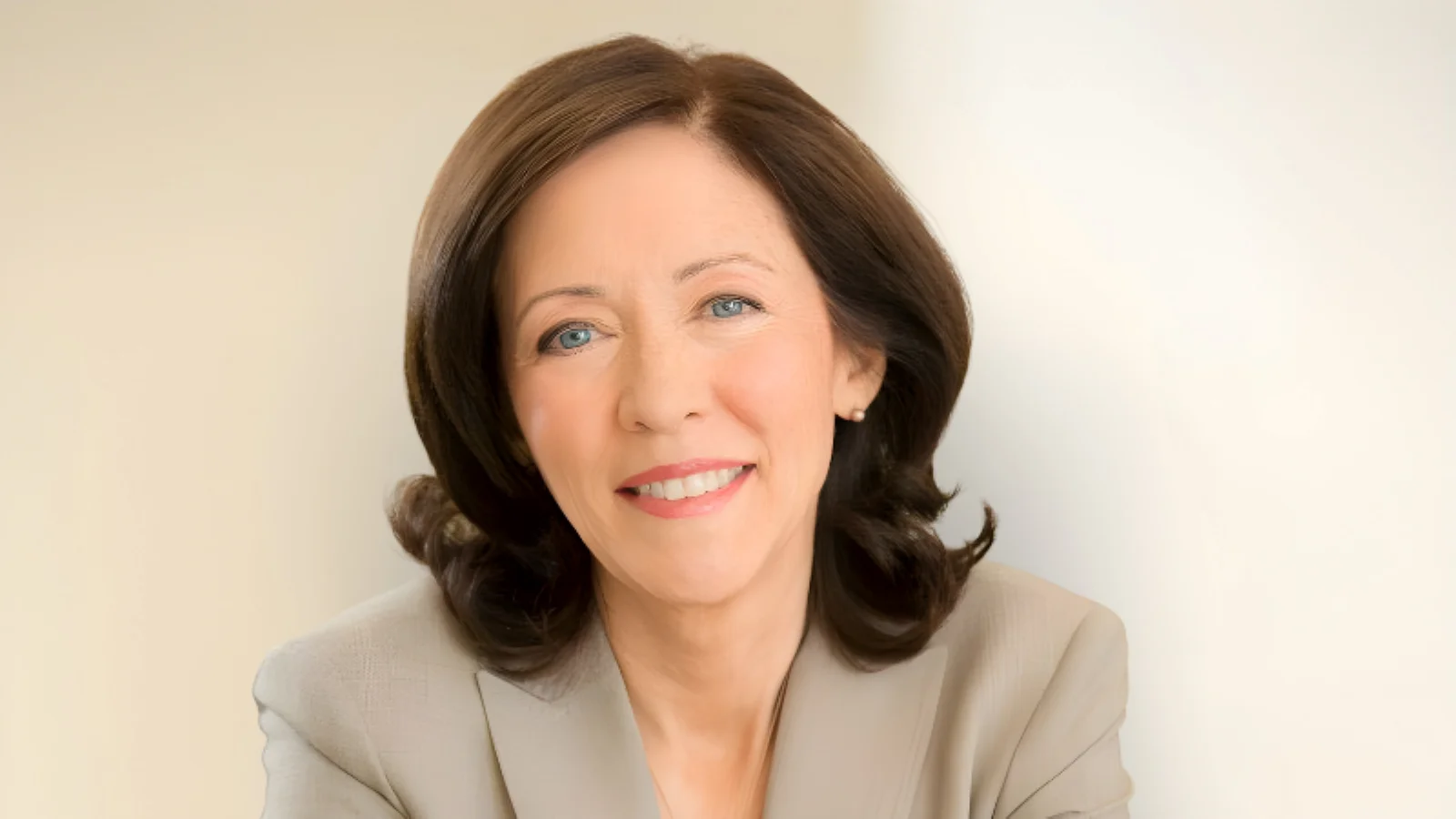
U.S. Senator Maria Cantwell, the Ranking Member of the Senate Committee on Commerce, Science and Transportation, spoke at a hearing about the future of broadcast ownership, emphasizing the need for sustainable solutions to support local journalism. She highlighted concerns about the decline in local news coverage and warned against further industry consolidation.
Cantwell noted that shared experiences like watching major events are becoming less common as media becomes more fragmented. She referenced a report titled “America's Most Trusted News Source” and stated her commitment to supporting local journalism.
She pointed out that employment in local news has dropped sharply, from 40 journalists per 100,000 Americans in 2002 to just eight today. Cantwell mentioned recent layoffs at The Washington Post as an example of the challenges facing local reporting. The hearing also addressed a proposed merger between Nexstar and Tegna, which could give one company control over 265 stations reaching up to 80 percent of U.S. television households if approved by the FCC.
“If the Nexstar-Tegna deal goes through a single company will control 265 stations capable of reaching 80 percent of all the television households, more than double the current cap,” said Sen. Cantwell. “And for nearly half of their audience – 100 million people – Nexstar would own two or more stations in a media market. Now that concerns me. To me, that is not more local voices, that is fewer. Why would I go for this merger if, in fact, you're going to basically hand over more concentration [and create] less diversity?”
Cantwell also expressed concern about how Artificial Intelligence (AI) could speed up the decline of local journalism and negatively affect AI systems themselves.
Mr. Waldman testified: “We have a vicious cycle. AI undermines local news; the lack of local news, in turn, makes AI’s quality worse. Fortunately, a virtuous circle can be created: if AI helps revive local news, it will make its results higher quality. The AI industry ought to view itself as having a stake in reviving local news.”
Cantwell discussed her bipartisan COPIED Act with Senator Blackburn designed to prevent AI companies from using journalists’ content without consent or compensation and advocated for tax credits supporting state-level initiatives for local journalism.
“So we have to fix this,” Sen. Cantwell said. “That is why I introduced the bipartisan COPIED Act with Senator Blackburn to stop AI companies from using journalists’ content without their consent. [That’s] why we support…a tax credit where states are using tax credits for local journalism, as we have proposed.”
She reiterated: “You can't have perfect information if journalists aren't creating it, but yet, we know that AI is consolidating that data and all of that information,” concluded Sen. Cantwell “And AI companies should want a format where you are creating content and that content is accurate and competitive in a nature that makes [the] U.S. stack [of] AI information more accurate than other countries. That's to me, it seems, the goal.”
The Senate Commerce, Science and Transportation Committee reviews legislation related to commerce, science and transportation during congressional sessions according to its official website. It serves as a standing committee within the legislative branch focused on these areas here, working under both party leadership here from its main office located in Washington D.C.'s Russell Senate Office Building here.
Video links were provided for Sen. Cantwell's opening remarks and Q&A session.