The Department of Homeland Security (DHS) has criticized the recent government shutdown, stating that it undermines national security and affects critical services across the country.
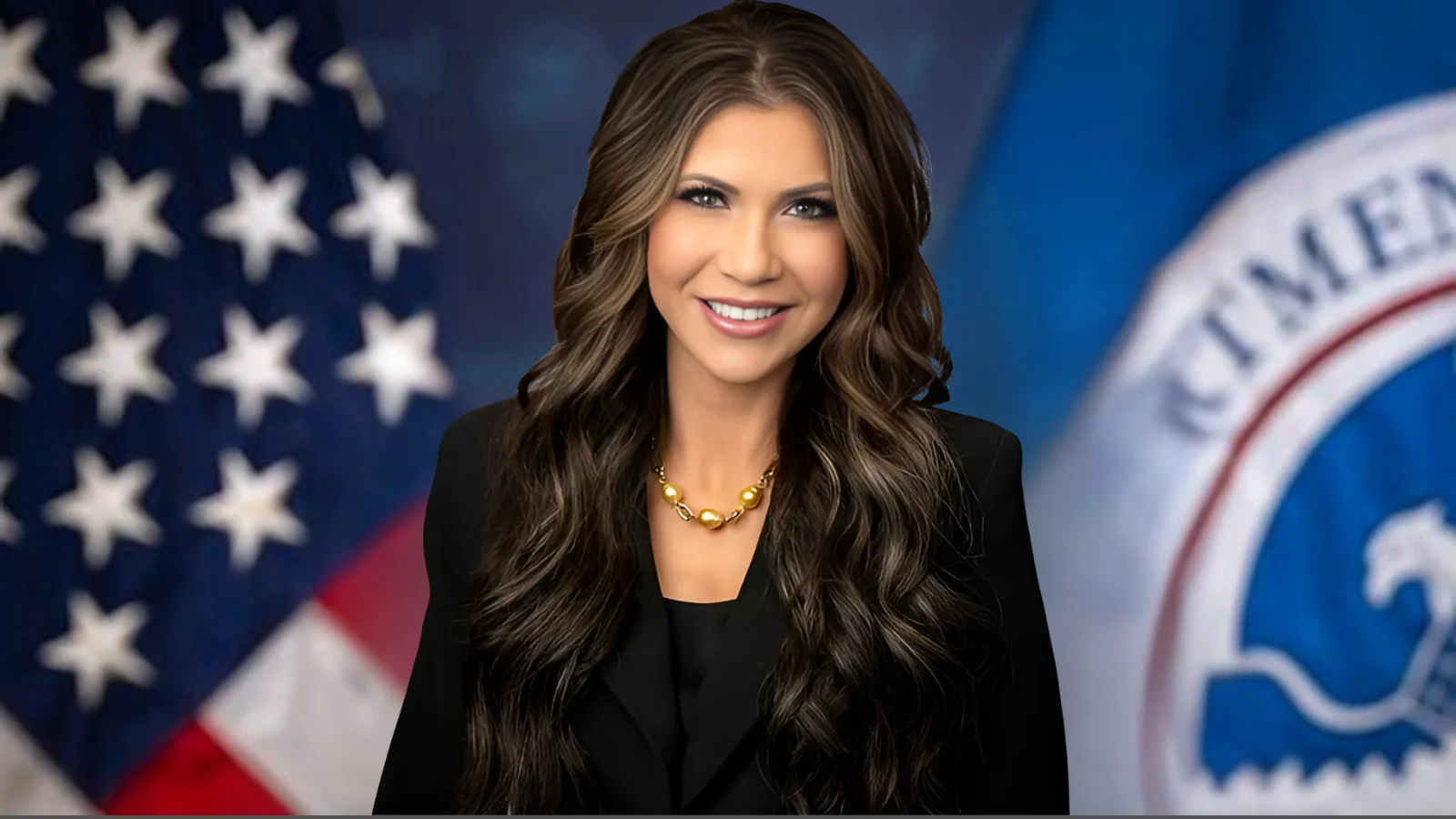
“Shutting down the DHS means cutting off resources and funding to FEMA, TSA, the Coast Guard, and thousands of federal law enforcement officers — the men and women who stand on the front lines of protecting our homeland every single day. Democrats’ reckless partisan games jeopardizing the safety and security of the American people in the name of scoring political points. By shutting down the Department of Homeland Security, 260,000 men and women who defend our homeland will lack the mission support they need to carry out our national security mission,” said Department of Homeland Security Assistant Secretary Tricia McLaughlin.
DHS is one of the largest federal agencies, overseeing 23 components such as U.S. Coast Guard, Federal Emergency Management Agency (FEMA), Secret Service, Transportation Security Administration (TSA), Customs and Border Protection (CBP), Immigration and Customs Enforcement (ICE), U.S. Citizenship and Immigration Services (USCIS), Cybersecurity and Infrastructure Security Agency (CISA), among others.
According to DHS officials, operational planning and procurement for essential resources will be delayed due to the shutdown. This makes it more challenging to address urgent threats in cyberspace and protect critical infrastructure.
Specific impacts include:
- The U.S. Coast Guard may face interruptions in payments for utilities, leases, and base contracts, which could affect military families’ access to housing or basic services like electricity and water. Reduced operational support could lead to fewer patrols or cancelled flights. There may also be delays in issuing credentials for merchant mariners and commercial vessels.
- TSA employees are required to continue working without pay during a shutdown. Prolonged shutdowns can result in longer wait times at airports nationwide.
- CBP facilities might not be able to pay vendors for rent or supplies during a shutdown, potentially affecting ongoing operations. Delays in procurement could disrupt mission priorities.
- FEMA may not be able to process disaster relief funds or grants because its grant system becomes non-operational during a shutdown. Billions of dollars meant for first responders could remain unspent until funding is restored.
- ICE operations will continue but may experience delays in receiving supplies or other forms of support due to lack of funding.
- The Federal Law Enforcement Training Centers rely on contractors for essential services; training programs could be disrupted if contractors are not paid.
- USCIS’s E-Verify program would not have funds available for certain critical procurements or interagency payments.
- The U.S. Secret Service faces challenges paying for maintenance on its vehicle fleet or supporting criminal investigations if contracts are unfunded.
- CISA would have to cancel cybersecurity assessments, simulation exercises, stakeholder trainings, international engagements, and public presentations during a lapse in funding.
DHS states that these disruptions put strain on their ability to sustain readiness across all departments.