U.S. Secretary of Energy Chris Wright has renewed an emergency order to address grid reliability concerns in the Midwest. The directive instructs the Midcontinent Independent System Operator (MISO), working with Consumers Energy, to keep the J.H. Campbell coal-fired power plant in West Olive, Michigan operational and to use economic dispatch to reduce costs for consumers. The Campbell Plant had been scheduled for closure on May 31, 2025, which is significantly earlier than its intended design lifespan.
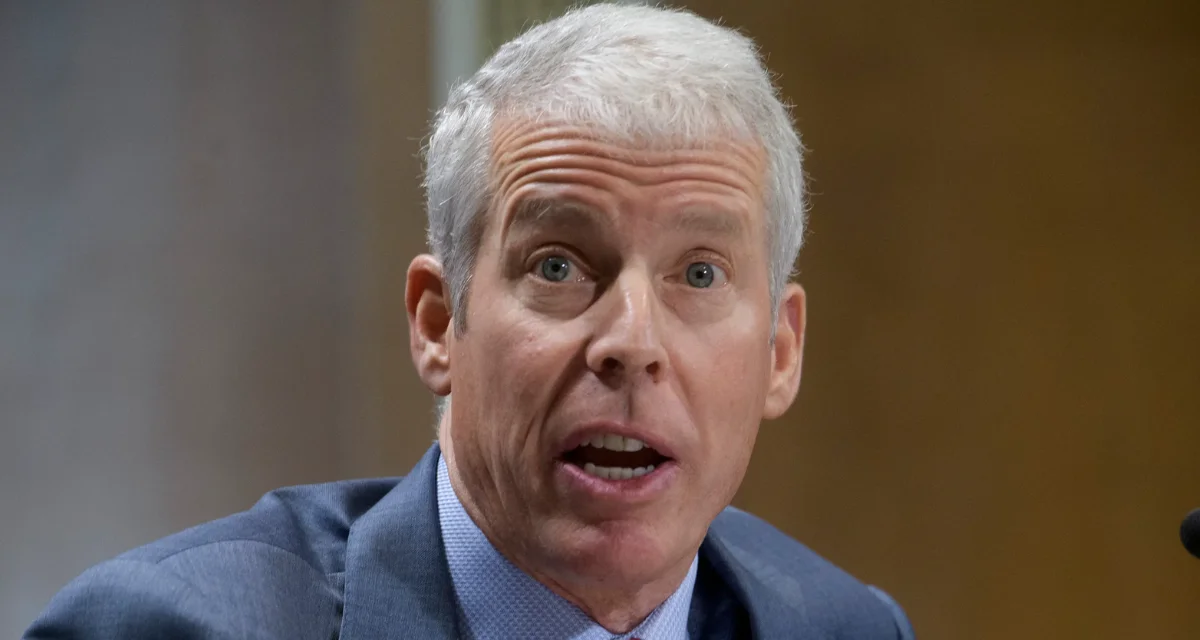
Secretary Wright stated, “The energy sources that perform when you need them most are inherently the most valuable—that's why beautiful, clean coal was the MVP of recent winter storms. Hundreds of American lives have likely been saved because of President Trump’s actions saving America’s coal plants, including this Michigan coal plant which ran daily during Winter Storm Fern. This emergency order will mitigate the risk of blackouts and maintain affordable, reliable, and secure electricity access across the region.”
During recent winter storms, particularly Winter Storm Fern from January 21 to February 1, the Campbell Plant played a key role by running at more than 650 megawatts each day. Officials argue that closing it would make the grid less stable. Across the U.S., plans to retire coal plants have slowed or reversed; in 2025 alone, over 17 gigawatts of coal-powered generation were preserved ahead of Winter Storm Fern.
The Department of Energy (DOE) originally issued an order on May 23 requiring the Campbell Plant to stay available for operation due to high energy demand and low output from intermittent sources. Subsequent renewals followed in August and November 2025.
According to DOE’s Resource Adequacy Report, if reliable power sources are removed from service at current rates, outages could become much more frequent by 2030. MISO continues to face these emergency conditions as confirmed by recent assessments from the North American Electric Reliability Corporation (NERC). Both NERC’s winter reliability assessments for 2023–2024 and 2024–2025 rate MISO as having an elevated risk due to possible insufficient operating reserves during periods of higher-than-normal demand. NERC’s long-term outlook for 2025 notes increased risks stemming from a growing reliance on weather-dependent resources and less diversity in fuel sources.
The latest emergency order is effective from February 17 through May 18, 2026.
In background materials released with this decision, MISO’s Planning Resource Auction Results for the upcoming planning year highlight ongoing capacity challenges in Michigan and neighboring areas due to limited new capacity additions and continued resource retirements.
Previously in 2021, MISO sought approval from federal regulators to change its resource adequacy requirements so that capacity is now assessed seasonally instead of only during summer peaks—a request approved by the Federal Energy Regulatory Commission (FERC) in August 2022. This shift reflects what MISO described as a move away from “Summer only” reliability risks toward concerns that persist throughout all seasons.
Meanwhile, various programs continue nationwide aimed at improving grid resilience and encouraging cleaner energy solutions. For example, in July 2022 the Department of Energy announced $225 million for building energy code implementation funded through federal infrastructure legislation (https://www.energy.gov/articles/biden-harris-administration-launches-225-million-program-lower-utility-bills-through-more). Additionally, there have been investments such as a $96 million initiative announced in July 2022 focused on advancing clean vehicle technologies and reducing carbon emissions within transportation (https://www.energy.gov/articles/doe-announces-96-million-advancing-clean-vehicle-technologies-reduce-carbon-emissions).
Other efforts include innovative approaches like those used at Savannah River Site where crushed marble helps address groundwater issues at former coal facilities (https://www.energy.gov/em/articles/srs-tackles-groundwater-issue-using-innovative-passive-energy-process), along with expanded support for environmental cleanup technology development involving national laboratories (https://www.energy.gov/em/articles/technology-development-aiding-em-mission-senior-advisor-white-tells-congress). Furthermore, more than one hundred programs were introduced under President Biden’s Justice40 Initiative to ensure that disadvantaged communities benefit directly from federal clean energy investments (https://www.energy.gov/articles/doe-announces-more-140-programs-supporting-president-bidens-justice40-initiative).