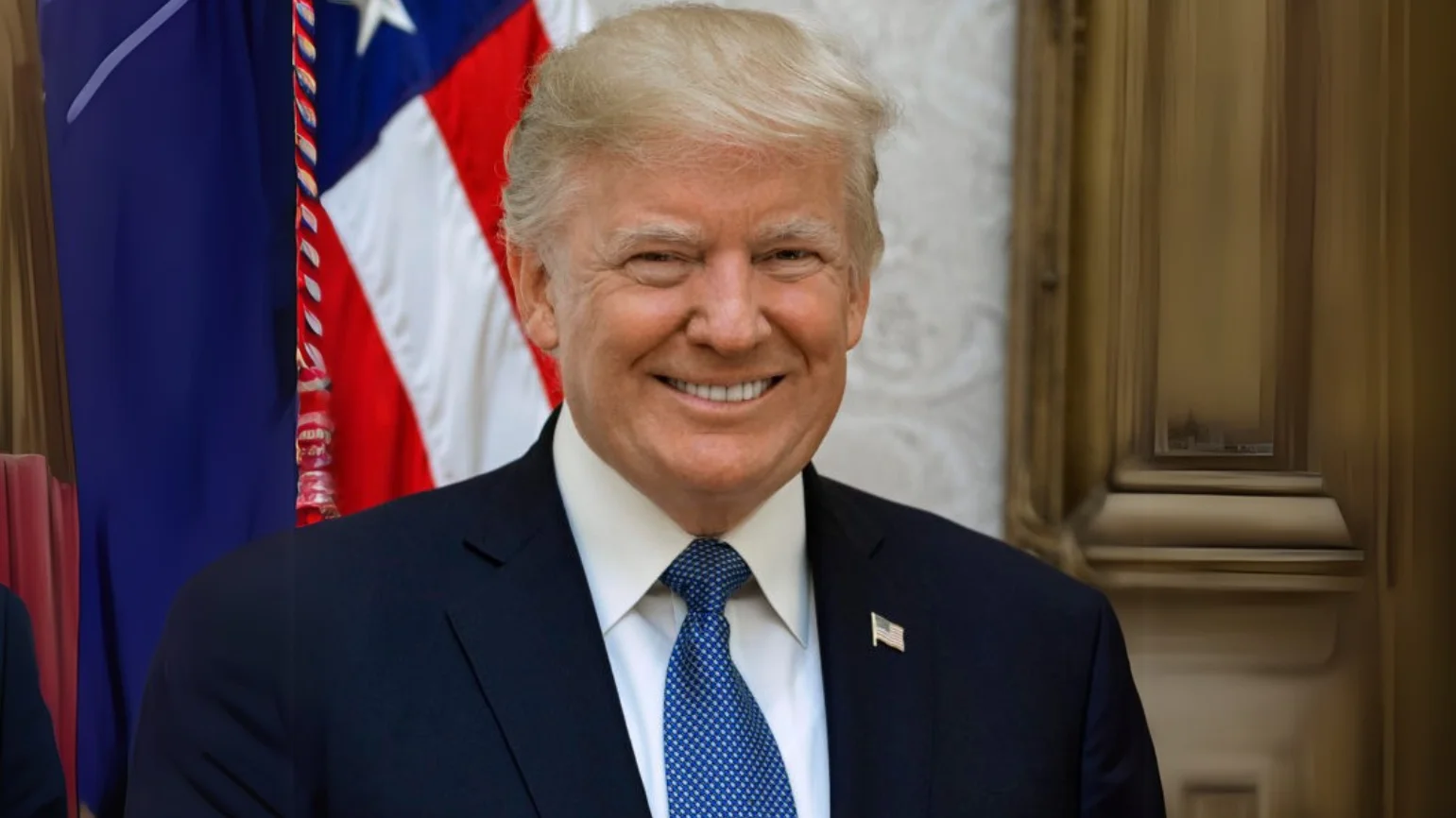
Director Michael Kratsios, head of the U.S. delegation and representing the White House Office of Science and Technology Policy, delivered remarks at the India AI Impact Summit 2026 in New Delhi. Addressing government officials, business leaders, and summit participants, Kratsios outlined the United States' approach to artificial intelligence policy and international collaboration.
Kratsios referenced last year’s summit in Paris, where Vice President J.D. Vance emphasized shifting the focus from AI safety to opportunity. He reiterated this message: “The future is something to be built, not awaited. And both the problems and solutions that AI presents are opportunities to make bold choices to better the lives of the people we represent.”
He highlighted recent U.S. actions under President Trump’s administration, including repealing previous export restrictions on AI technology and launching America’s AI Action Plan centered on innovation, infrastructure, and international partnerships. Kratsios stated: “Within days of returning to the White House last year, President Trump recommitted America to AI leadership. He repealed the last administration’s so-called diffusion framework...And last summer, the Trump Administration released America’s AI Action Plan.”
According to Kratsios, American companies continue to dominate global AI markets with significant investments in infrastructure and advanced technology: “Our four largest AI companies plan to spend nearly $700 billion on AI infrastructure this year...And of the billion people using America’s leading AI platforms, more than three quarters log on from your countries, outside the U.S.” He asserted that U.S.-made chips and services remain highly sought after worldwide due to their capability and security.
Kratsios addressed concerns about international discussions focusing too much on risk rather than opportunity: “Too many international forums...maintain a general atmosphere of fear. We must replace that fear with hope.” He warned against regulatory approaches that could stifle competition or isolate developing nations from participating fully in emerging AI economies.
Trust was identified as a key barrier for further adoption of artificial intelligence in America. Kratsios explained: “Regulatory and non-regulatory policy frameworks that safeguard the public interest are necessary to earn the public’s trust in AI.” He also stressed regulatory certainty as essential for industry confidence.
Rejecting centralized global governance models for artificial intelligence, he advocated for local control over policy decisions: “We totally reject global governance of AI...Prioritizing AI for your people means pursuing a sovereign AI capability for your country now.”
Kratsios announced several new initiatives aimed at supporting partner nations’ adoption of American-developed technology stacks without sacrificing domestic innovation efforts or national autonomy:
- The National Champions Initiative will help integrate partner nation companies into American technology systems.
- An Agent Standards Initiative will develop open standards for next-generation technologies.
- Multiple agencies—including DFC (U.S. International Development Finance Corporation), EXIM Bank (Export-Import Bank), USTDA (U.S. Trade and Development Agency), Millennium Challenge Corporation—and a World Bank fund have started new programs focused on financing access for developing countries.
- The launch of Tech Corps will deploy volunteer technical experts abroad through an expanded Peace Corps model.
In his closing remarks, Kratsios said: “The hope of the United States is that pursuit of real AI sovereignty—the adoption and deployment of sovereign infrastructure...will become an occasion for bilateral diplomacy, international development, and global economic dynamism.”
He invited summit attendees to join these efforts: “American AI is settling a new frontier, but America does not seek to build this new future alone. So I ask you to join us.”