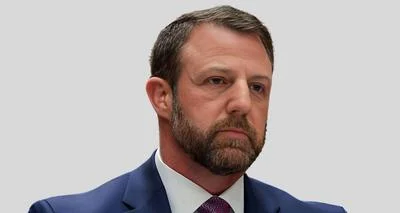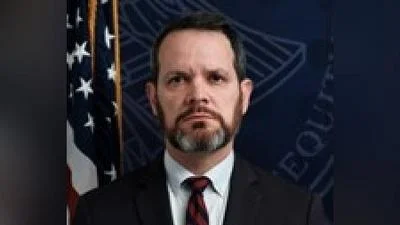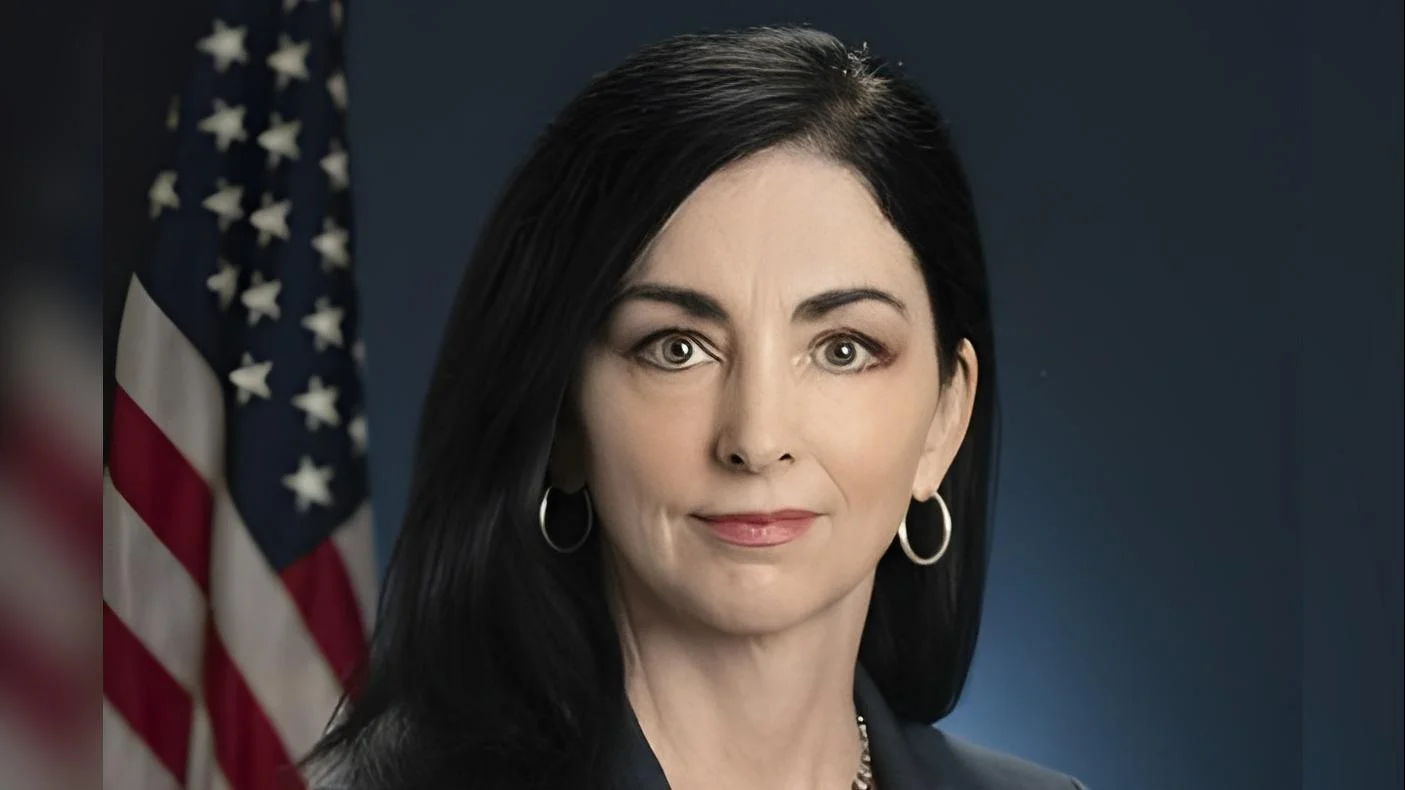
A Texas Tech University professor and two Lubbock residents have been charged in federal court for allegedly conspiring to distribute fentanyl, according to an announcement from United States Attorney for the Northern District of Texas Ryan Raybould.
Daniel Taylor, 50, an assistant professor at Texas Tech’s Rawls College of Business, was charged by federal complaint on February 18 with conspiracy to distribute or possess with intent to distribute fentanyl. Also named in the complaint are Alisha Red-Eagle, 21, and Mackenzie Gilcrease, 28.
The complaint states that Taylor distributed two types of fentanyl powder known as “Pink Flamingo” and “Ghost.” Authorities had been investigating Taylor for several months regarding suspected drug distribution. On January 12, law enforcement observed Red-Eagle entering and exiting Taylor’s vehicle at a convenience store before getting into a white SUV. When the SUV was stopped by a Lubbock County Sheriff’s Deputy for a traffic violation, occupants reported that a male passenger was overdosing on suspected fentanyl provided by Red-Eagle. Emergency services administered Narcan. Officers searching the vehicle found five fentanyl pills, a clear baggie with fentanyl, five aluminum foil wrappers with residue, and a pink baggie containing fentanyl powder.
“Instead of focusing on teaching students supply chain management, the defendant, as alleged, was developing and implementing his own supply chain of lethal fentanyl into the streets of Lubbock,” said U.S. Attorney Ryan Raybould. “As alleged, at least in one instance, the fentanyl the defendant peddled through his drug trafficking organization caused an overdose. We hope the students of Texas Tech and the Lubbock community understand that my office will vigorously prosecute drug dealers and drug traffickers no matter if you are a professor or a street level dealer.”
“This arrest underscores the stark and troubling irony that an individual entrusted with educating others instead chose to distribute one of the deadliest drugs facing our communities today,” said DEA Dallas Field Division Special Agent in Charge Joseph B. Tucker. “While this conduct is in no way reflective of Texas Tech University, it highlights that fentanyl trafficking can emerge from any corner of our society, and DEA, alongside our federal, state, and local partners, remains committed to identifying and holding accountable those who choose to profit from this poison.”
According to investigators, on February 17 agents saw Gilcrease meet Taylor at his home before leaving in a pickup truck. After being stopped for a traffic violation by deputies who used a K-9 unit that detected narcotics odor, officers searched Gilcrease’s truck and found three pink plastic baggies containing fentanyl inside an envelope marked with a pink flamingo graphic as well as methamphetamine. A search warrant executed at Taylor’s residence after midnight on February 18 resulted in authorities finding multiple quantities of white powder and crystal-like substances testing positive for methamphetamine along with packaging materials similar to those previously recovered.
All three defendants appeared before a U.S. Magistrate Judge in Lubbock for initial hearings on these charges; they remain in custody pending further proceedings. If convicted on all counts each faces up to twenty years in federal prison.
The investigation involved cooperation among agencies including the Drug Enforcement Administration (DEA), Bureau of Alcohol Tobacco Firearms & Explosives (ATF), Texas Department of Public Safety (DPS), Lubbock County Sheriff’s Office and Lubbock Police Department as part of both the Texas Anti-Gang Center and Caprock Hi-Intensity Drug Trafficking Area groupings.
Assistant United States Attorney Stephen Rancourt is prosecuting this case.
A criminal complaint is not evidence but only alleges misconduct; all accused individuals are presumed innocent unless proven guilty beyond reasonable doubt in court.