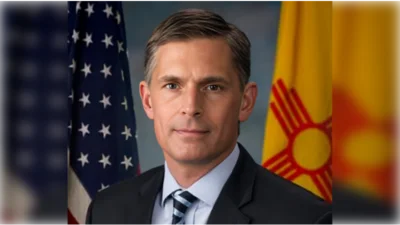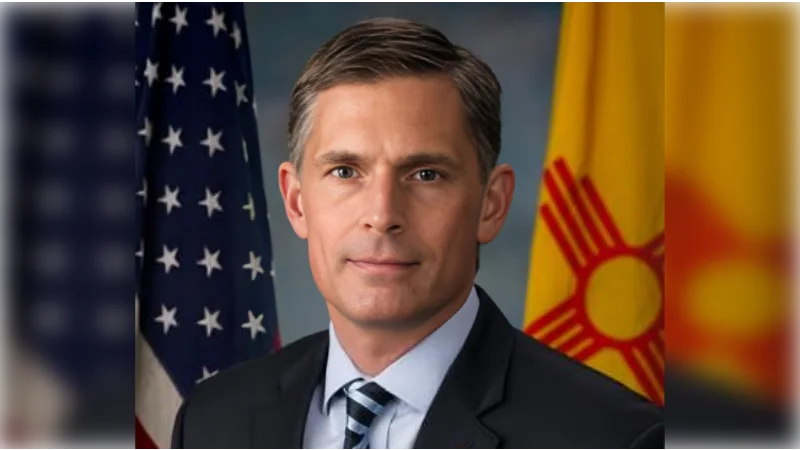
During a recent hearing of the U.S. Senate Energy and Natural Resources Public Lands, Forests, and Mining Subcommittee, Senator Martin Heinrich (D-N.M.), Ranking Member of the full Committee, advocated for two bills aimed at expanding public land access in New Mexico. The proposed legislation includes the Buffalo Tract Protection Act and the Cerro de la Olla Wilderness Establishment Act.
Senator Heinrich highlighted the broad local and bipartisan support for both measures in previous sessions of Congress. He described the purpose of the Buffalo Tract Protection Act: "[This] bill would implement a mineral withdrawal for four small parcels in the Placitas area, just north of Albuquerque." He further noted concerns about environmental and community impacts if gravel mining were allowed on these lands. "The Buffalo Tract is valued for hiking, outdoor recreation, but also serves as an important wildlife corridor between the Sandia Mountains to the south and the Sangre de Cristo Mountains to the north. These parcels are adjacent to a neighborhood and a community. There’s literally several gravel mines only a few miles from the Buffalo Tract that are not controversial in this community because they're in an appropriate location. Further, the lands in this withdrawal proposal are culturally and ecologically significant to two Pueblos, two Native American Tribes in New Mexico, who support this effort. And for these reasons, it is an inappropriate location for gravel mining.”
Turning attention to his second piece of legislation, Heinrich explained its significance: "This parcel encompasses Cerro de la Olla, a towering shield volcano over the Taos Plateau where the people of Taos have hunted, gathered herbs, and collected firewood for generations.” He added that designating this area as wilderness within Río Grande del Norte National Monument would protect opportunities for activities such as hunting, fishing, hiking, camping, and preserve traditional uses.
Heinrich also pointed out that adjustments made by this bill would expand monument boundaries to include recent Land and Water Conservation Fund acquisitions near Río Grande del Norte National Monument. “LWCF acquisitions such as these are great examples of a community coming together to build economic development opportunities, unlock access for pristine hunting, hiking, and recreation opportunities, and provide an opportunity for protecting fragile and valuable landscapes.”
Both bills have been reviewed by committee members in past congresses with support from various stakeholders including local governments and tribal communities.
In closing remarks during his testimony at the subcommittee hearing held on February 12th, 2026—video available online—Heinrich stated: “Both of these bills have had literally years of support and been processed by this committee in past congresses– with bipartisan support… I hope that we will be able to have these bills considered and advanced on a markup shortlist soon.”