The Department of Homeland Security (DHS) has now been without appropriated funding for ten days, marking a shutdown that affects thousands of workers in key national security positions. These employees are required to continue their duties without pay as the agency operates during this period.
According to Republican leaders, the shutdown resulted from actions by Senate Democrats, who they say intended to disrupt President Trump's immigration policies and border wall efforts. Despite these intentions, certain operations such as immigration enforcement and construction projects will proceed using funds allocated in previous legislation.
Agencies within DHS impacted by the shutdown include the Coast Guard, U.S. Secret Service, Cybersecurity and Infrastructure Security Agency (CISA), Transportation Security Administration (TSA), and Federal Emergency Management Agency (FEMA). The Coast Guard's missions such as search and rescue and port security have faced disruptions. Secret Service agents continue protection duties without compensation. CISA personnel are managing cybersecurity risks with reduced resources, while TSA staff work unpaid at airports amid possible delays and increased security concerns. FEMA’s capacity is limited as severe winter weather persists across parts of the country.
DHS has implemented emergency measures to manage available funds during the shutdown, including stopping some FEMA activities not related to disasters and pausing Global Entry services.
Morale among DHS employees remains low after a previous 43-day government shutdown last fall when many worked without pay. The current situation adds further strain on those responsible for safeguarding ports of entry, cyber infrastructure, and public safety.
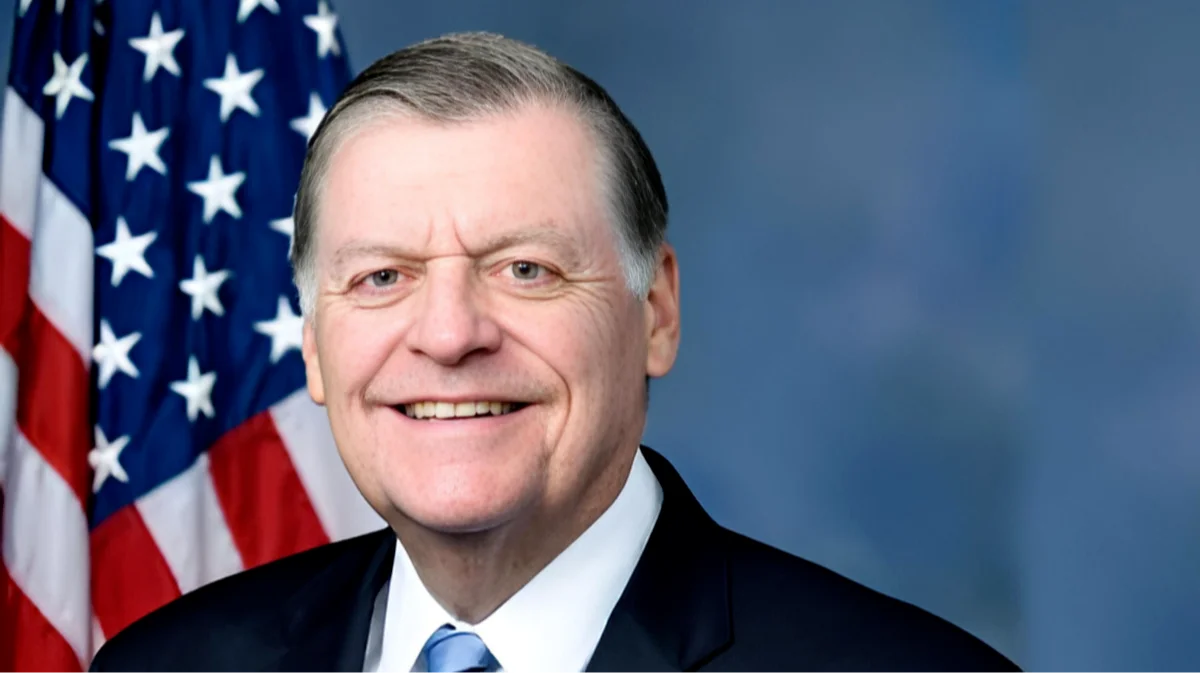
Chairman Tom Cole commented on the impact: “As more winter storms batter communities across the nation, FEMA is left with limited funding. As Secret Service agents stop a man breaching a secure perimeter, they are doing so without a paycheck. As TSA screens politicians returning to Washington, they stand watch without pay or stability. As the Coast Guard patrols our waters and protects our shores, its servicemembers remain on mission without knowing when they will be paid. And as CISA works to stop cyberattacks and hostile actors, critical personnel have been furloughed. Frontline DHS personnel are fulfilling their duty – while Senate Democrats refuse to uphold theirs. Chuck Schumer and his allies are so consumed by their hatred of President Trump that they would rather manufacture chaos than provide certainty to the very workforce that safeguards this nation every day. National security does not pause for politics. Storms do not wait. Threats do not wait. Bills and expenses do not wait. Yet Senate Democrats have chosen to make the security of the American people – and the livelihoods of DHS families – contingent on partisan demands. Once again, Senate Democrats are holding federal funding hostage because they care more about a left-wing primary voter than keeping government operating for the tax paying American. It’s time for my colleagues on the other side of the aisle to return to the basic obligation of governing: keep the nation secure and fund the department charged with doing so.”
The House Committee on Appropriations plays an important role in drafting annual spending bills that allocate federal funds for government operations such as those affected by this shutdown (source). The committee also guides community project funding requests within these bills (source) and influences policy through major funding legislation like Continuing Appropriations Acts (source). Tom Cole currently serves as chairman of this committee (source), becoming its 43rd chairperson (source).
Earlier agreements between House Republicans and Senate Democrats aimed at finalizing Fiscal Year 2026 appropriations were altered late in negotiations by Democratic senators according to House leadership statements.
Shutdowns have historically had negative effects on economic growth; last year’s 43-day closure reportedly slowed national GDP growth rates.
Republican leaders argue that closing DHS will not change immigration outcomes promised by Democratic lawmakers due to continued investment from prior reconciliation bills but warn it harms essential agencies like law enforcement training programs alongside cybersecurity initiatives.
They maintain that ensuring uninterrupted government operations remains a constitutional responsibility.