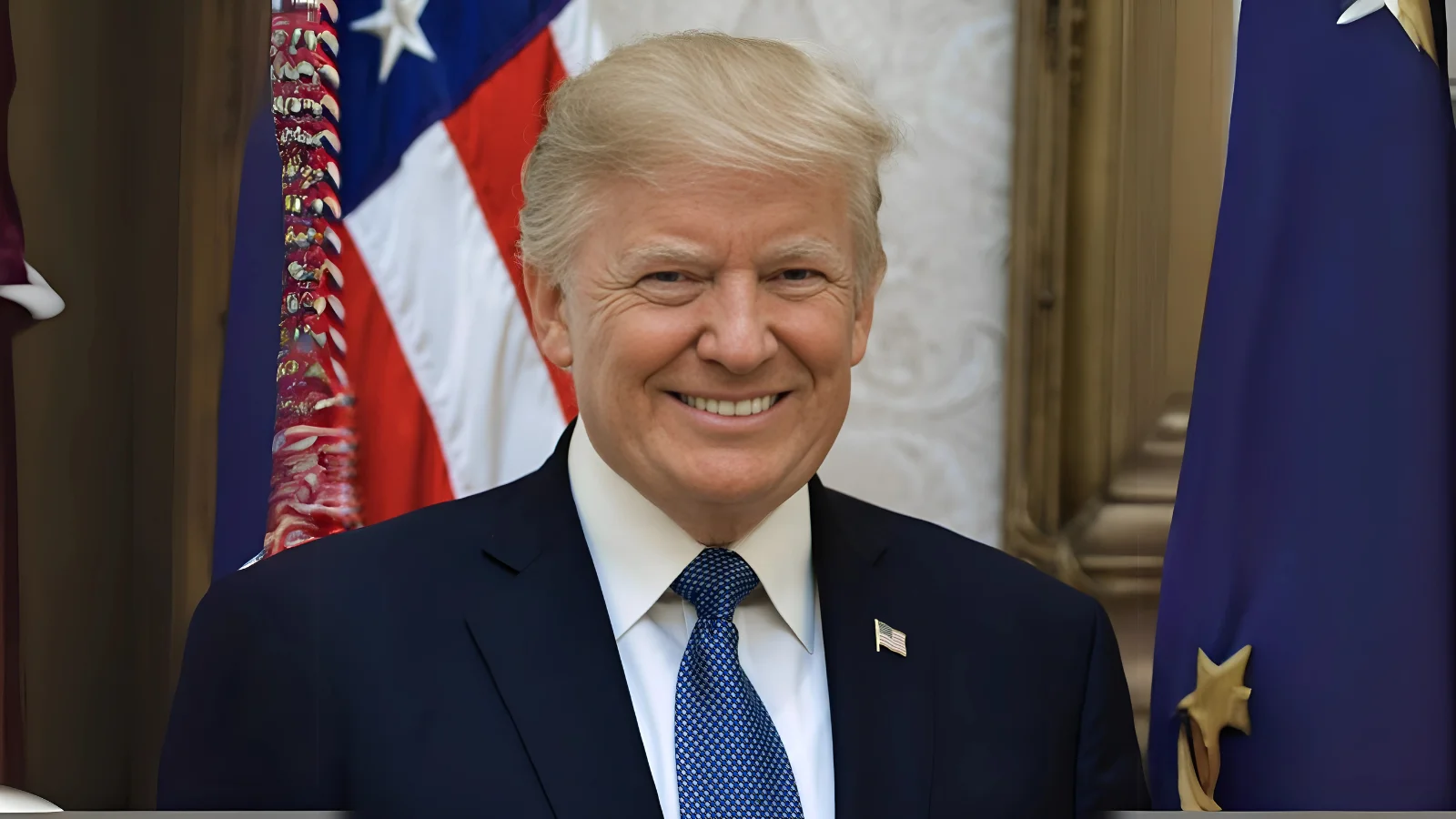
President Donald J. Trump delivered the State of the Union address in Washington, focusing on efforts by his administration to lower costs for Americans and support what he described as a new era for the country.
Trump emphasized his “America First” agenda, which he said has led to lower gas prices, increased domestic energy production, expanded public land access, safer communities, and renewed optimism about the nation’s future.
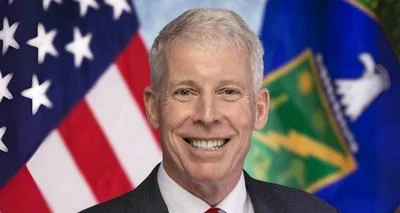
“President Donald J. Trump, our once-in-a-lifetime Commander in Chief, delivered more than an address – he delivered a declaration of American resurgence and proof that our country is rising stronger than ever,” said Secretary of the Interior Doug Burgum. “In just one year, his leadership has driven down energy costs, restored strength at home, revitalized our cities, and because of his bold vision, American Energy Dominance is no longer a promise, it's a reality reshaping our future. Every policy, every negotiation, every decision is anchored in a single guiding principle: the well-being, prosperity and security of the American people. Under President Trump, the State of the Union is stronger than ever, and the best chapters of America's story are still being written.”
The Department of the Interior reported that gas prices have declined for seven consecutive weeks and are now at their lowest point in nearly five years. The agency credits this trend to policies aimed at increasing domestic energy production.
In oil and gas development, lease sales from the Bureau of Land Management generated $356.6 million during Trump’s first year back in office—surpassing revenue collected during all four years under President Biden. New policies were introduced to increase offshore oil output in the Gulf region and streamline leasing processes on public lands.
The administration also adjusted its approach to wind and solar projects on federal land by requiring higher-level reviews for new proposals rather than automatic approvals.
On critical minerals policy, the U.S. Geological Survey released an updated list in November 2025 with recommendations for assessing potential supply chain disruptions affecting key sectors of the economy.
Efforts to boost Alaska’s resource development included rescinding previous policies seen as restrictive by current officials. Alaska’s mineral industry was valued at $3.2 billion in 2020—a 5 percent increase from 2019.
In public safety initiatives within Washington D.C., joint operations led to over 8,700 arrests and removal of more than 80 homeless encampments from federal property. Law enforcement officers with the Department received a pay increase announced earlier this year.
Internationally, Trump highlighted liquefied natural gas exports as part of U.S. efforts to strengthen alliances through energy security while reducing dependence on foreign suppliers.
Deregulation measures included executive orders intended to speed up permitting for domestic energy projects and reforms targeting environmental review processes considered burdensome by supporters.
Coal leasing expanded under recent policies with four lease sales held last year generating $47 million; additional acreage was made available beyond previous benchmarks set by legislation known as the One Big Beautiful Bill Act.
Fire management initiatives included steps toward establishing a national wildland fire service and permanent pay increases for federal and tribal firefighters across the country.