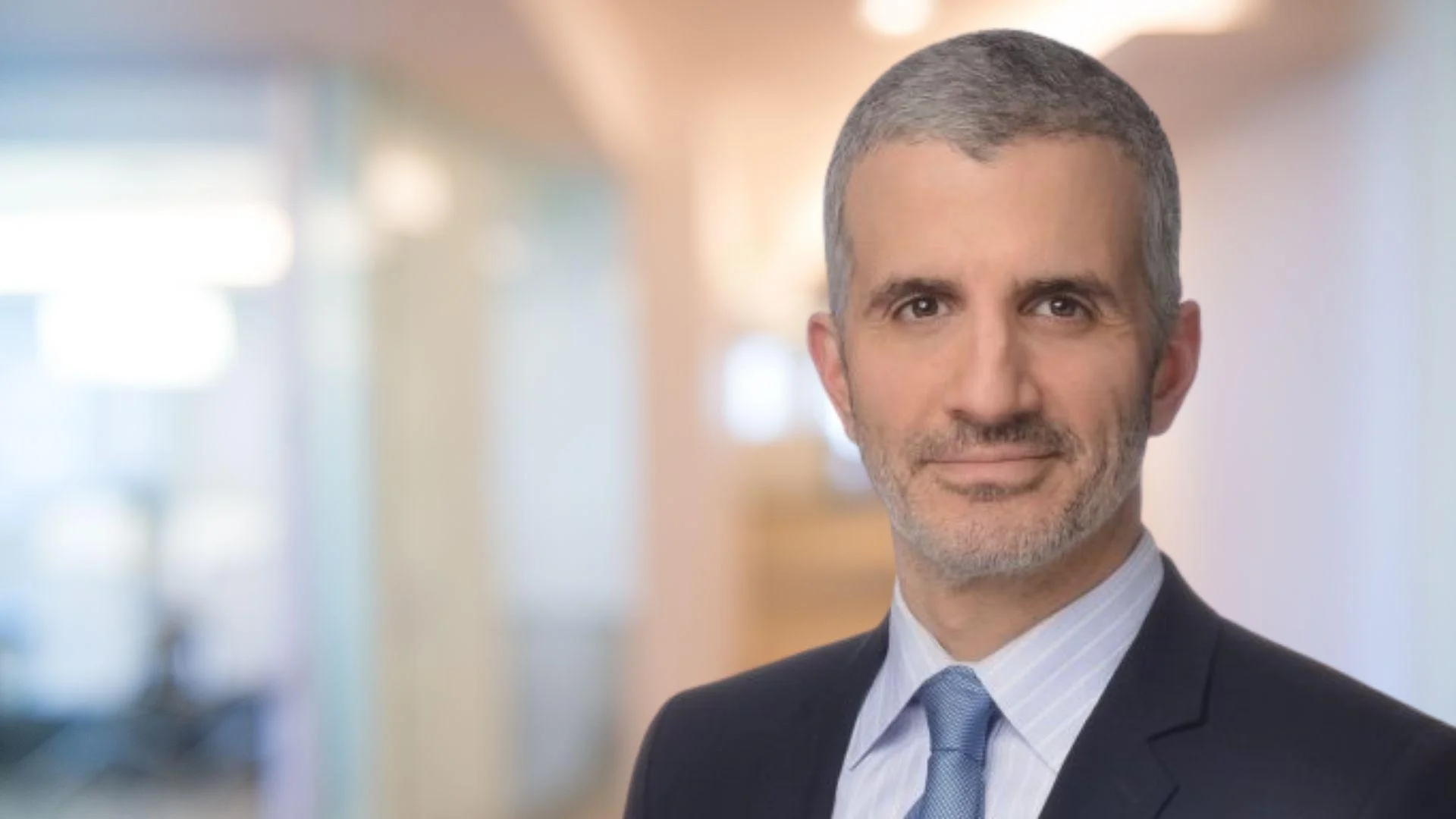
Daniel Freiheit, founder of Lion Advocacy, said accountability is unclear when autonomous vehicles impede first responders, citing an incident in downtown Austin where a Waymo robotaxi blocked an ambulance responding to a mass shooting that killed three people, including the gunman, and injured 14.
The issue of responsibility for autonomous vehicles has come under scrutiny after video showed a Waymo vehicle blocking emergency medical services for over a minute before being moved by an officer. The robotaxi was attempting to pick up a passenger near Buford's bar on West Sixth Street during the shooting response, according to Axios. The FBI is investigating possible terrorism links related to the incident.
Freiheit posted on X in response to reports about the Waymo vehicle blocking the ambulance. He raised questions about whether criminal responsibility applies equally to AI-driven vehicles as it does to human drivers in such situations. "If a human driver did this, the driver would be held criminally responsible. But in a world delegated to robots and AI, who will be held responsible to the same level of criminality. Or will we just abandon the concept of responsibility," Freiheit said according to his post on X.
In Texas, autonomous vehicles are required by state law to comply with traffic rules; however, specific protocols for emergency situations remain under review. Similar blockages have occurred elsewhere in Texas, prompting calls for better integration between self-driving technology and first responders. As reported by FOX 7 Austin, the Waymo incident delayed EMS access during the shooting response.
U.S. federal guidelines from the National Highway Traffic Safety Administration emphasize manufacturer responsibility for autonomous vehicle safety. Criminal liability for incidents involving these vehicles often falls under state laws. Product liability claims can hold companies accountable if software flaws cause obstructions or accidents. According to Brookings Institution analysis, strict liability may apply when accidents stem from inexplicable AI decisions.
Freiheit practices as a barrister and solicitor through Lion Law Professional Corporation in Ontario and holds degrees in law and business administration. He is certified by the Law Society of Ontario as a specialist in corporate and commercial law; his work includes franchise and employment law matters as listed on his firm's site.