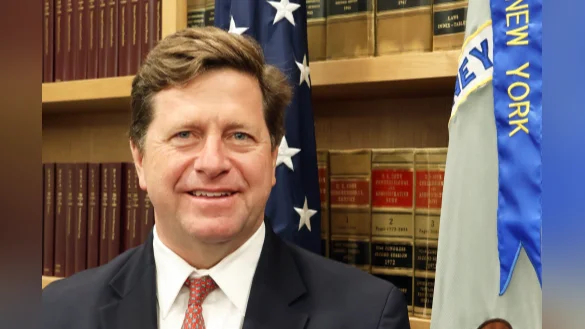
Jay Clayton, U.S. Attorney for the Southern District of New York | Department of Justice
Takeshi Ebisawa, a Japanese national, was sentenced to 20 years in prison by U.S. District Judge Colleen McMahon for his involvement in a conspiracy to traffic nuclear materials, narcotics, and firearms. The sentencing follows Ebisawa's guilty plea to six charges related to these offenses.
According to U.S. Attorney Jay Clayton, "The illicit trafficking of nuclear materials is an existential threat to every New Yorker and every American. Takeshi Ebisawa tried to sell uranium, thorium, and plutonium to fuel a purported nuclear weapons program, along with deadly drugs destined for U.S. streets. In exchange, Ebisawa hoped to procure battlefield weapons for insurgent groups and profit for himself. This case is a testament to the extraordinary efforts of our law enforcement partners, who worked across three continents to stop Ebisawa and bring him to justice in the United States."
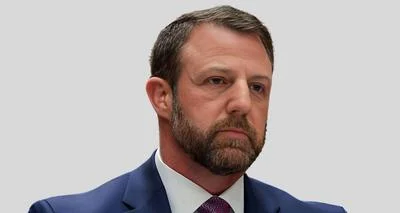
DEA Administrator Terrance Cole commented on the outcome: "National security and public safety are the very tenets of DEA’s mission, and this case demonstrates our ability to dismantle the world’s most dangerous criminal networks. Today’s sentence should send a clear message: threatening the United States by trafficking nuclear materials, narcotics, and military-grade weapons will trigger an uncompromising response. DEA will hold conspirators accountable—no matter the distance, no matter their allegiance."
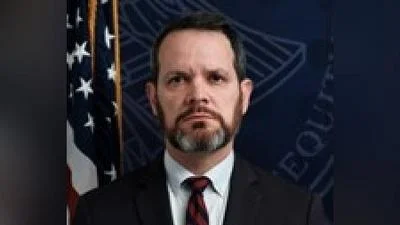
Assistant Attorney General for National Security John A. Eisenberg stated: "Thanks to the exceptional work of the DEA and our DOJ prosecutors, Takeshi Ebisawa has been held accountable for his crimes, including an attempt to sell weapons-grade plutonium to Iran and to flood New York with deadly narcotics. The National Security Division will continue to work with our law enforcement partners to identify and dismantle criminal networks that seek to profit from the illicit trade in deadly weapons and substances."
Court documents indicate that from 2019 until his arrest in April 2022, Ebisawa was investigated by the DEA regarding large-scale trafficking activities involving narcotics, weapons, and nuclear materials. During this period, he introduced an undercover DEA agent posing as a trafficker into his international network spanning Japan, Thailand, Burma (Myanmar), Sri Lanka, and other countries.
Ebisawa negotiated four sets of transactions with undercover agents:
- He attempted brokering sales of nuclear materials—including uranium and weapons-grade plutonium—to individuals he believed were connected with Iran's nuclear program in exchange for military-grade weaponry intended for insurgent groups in Burma.
- He sought deals involving methamphetamine and heroin intended for distribution in New York while requesting heavy weaponry reportedly sourced from U.S. military bases.
- In another transaction scheme, he conspired separately over half a metric ton each of methamphetamine and heroin; samples provided during meetings showed high purity levels.
- Additionally, he laundered $100,000 described as drug proceeds from the United States through Japanese banking channels.
In addition to serving 20 years in prison at age 61, Ebisawa was also sentenced to five years of supervised release.
Authorities credited multiple agencies both within the United States—including several offices of the Drug Enforcement Administration—and international law enforcement partners from Denmark, Indonesia, Japan, Thailand among others for their cooperation throughout this multi-year investigation.
The prosecution was led by Assistant U.S. Attorneys Kaylan E. Lasky, Alexander Li, Kevin T. Sullivan alongside assistance from Justice Department officials specializing in counterterrorism.