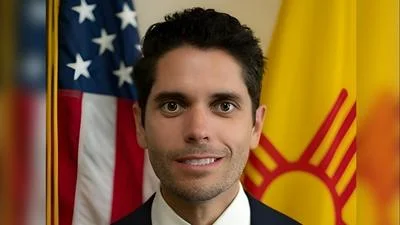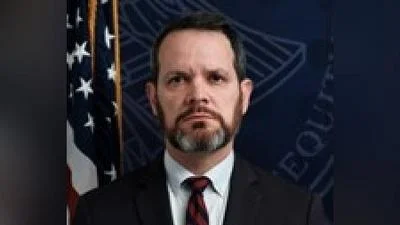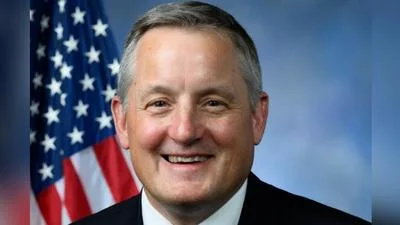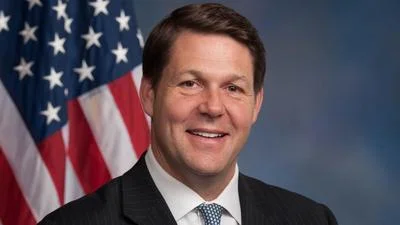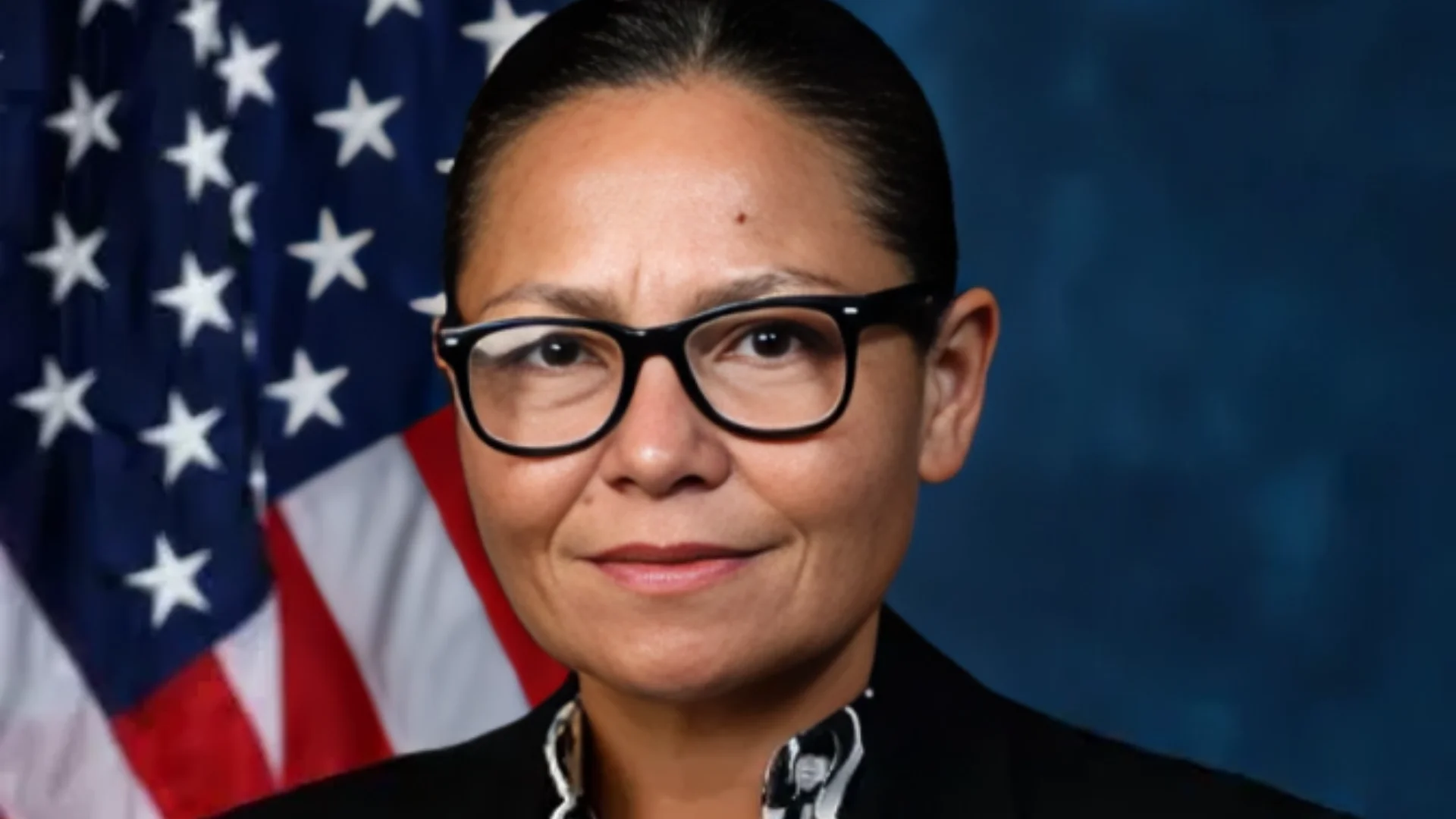
Rep. Kim King-Hinds (R-Northern Mariana Islands), a member of the Economic Development, Public Buildings, and Emergency Management Subcommittee, delivered opening remarks at a hearing focused on the future of federal real estate management and reducing costs for taxpayers. The hearing included testimony from General Services Administration (GSA) Administrator Ed Forst.
King-Hinds highlighted previous efforts to address federal real estate costs. "In December, this subcommittee held a hearing on federal real estate to discuss how we could minimize costs and maximize value for the American taxpayer. Since that hearing, GSA Administrator Ed Forst was confirmed by the Senate and sworn in. Today is an opportunity for the Subcommittee to hear from the Administrator on GSA’s plans and priorities for managing its real estate portfolio."
She referenced reforms enacted as part of the Thomas R. Carper Water Resources Development Act of 2024 (WRDA 2024), including measures such as the USE IT Act and FULL Act. These provisions require agencies to use at least 60 percent of their space daily or risk losing it, along with new reporting requirements about unused space costs and mandates for consolidation plans in Washington D.C.
King-Hinds expressed concern about missed deadlines related to these reforms: "As expressed at the last hearing, we are extremely concerned that key deadlines have been missed. I understand OMB is a key player here – especially in ensuring all agencies, including those who have real estate authorities outside of GSA, are in compliance. But, without that data, critical time is being lost."
She noted that Full Committee Chairman Sam Graves and Subcommittee Chairman Perry had sent a letter on February 13th requesting updates from OMB and GSA regarding compliance with new requirements.
"The reforms also give you, as GSA Administrator, significant leverage over agencies that are resistant to letting go of unneeded space. That is why effective implementation of the reforms is so critical," she said.
King-Hinds acknowledged progress made by GSA in consolidating agency spaces: "With that said, we are pleased with some of the progress that GSA has made so far in consolidating agencies and getting rid of excess space, including moving HUD out of the Weaver Building, preparing to move USDA out of the Agriculture South Building, and DOE out of the Forrestal Building."
She pointed out that deferred maintenance liabilities across federal buildings range between $26 billion and $340 billion according to various reports.
"I don’t think the American taxpayer or even federal agencies themselves understand how much of a financial liability federal real estate has become – there is no excuse for agencies to hold onto space just in case or hold onto a building because they’ve always been there," King-Hinds stated.
She emphasized ongoing work by GSA to identify which assets should be retained or disposed of based on need and cost considerations.
King-Hinds also mentioned interest in learning more about plans concerning reorganization within the Public Building Service and potential divestment from operations servicing steam and chilled water for multiple buildings in central Washington D.C.
Further details from today’s hearing can be accessed through video recordings and witness testimonies available online.