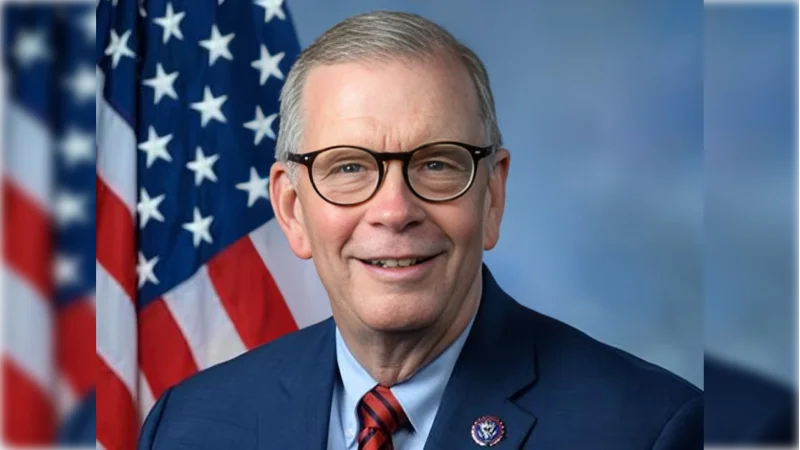
At a recent markup session, House Education and Workforce Committee Chairman Tim Walberg (R-MI) addressed the committee as it considered eight bills designed to address fraud in federal child care assistance programs. The proposed legislation aims to improve oversight and protect taxpayer funds allocated through these programs.
"Today, for the third time this Congress, the Committee is turning again to a crucial topic and a bridge between everything this Committee does: child care.
"Child care is essential to helping working parents thrive and our local economies grow. The Child Care and Development Block Grant (or CCDBG) is the federal program governing childcare programs for low-income working families. This block grant program exists to help working families access affordable childcare, giving them the freedom to remain in the workforce, increase their economic opportunity, realize financial freedom, and move beyond the need for a federal safety net – thriving independently of government support. CCDBG is one solution to the multifaceted problem of childcare affordability and access. CCDBG also meets the needs of American industry in light of a national workforce participation rate that is currently just 62.5 percent, according to the Bureau of Labor Statistics.
"As this Committee has learned, the federal government cannot solve the growing need for child care in this country alone. In fact, CCDBG only serves approximately 10 percent of children in the private-sector child care market. That makes waste, fraud, and abuse – like what has been found in Minnesota – even more untenable. Child care assistance for working families is rendered powerless when those dollars are not protected, and widespread fraud threatens to erode public trust in the program. No amount of fraud in public programs is acceptable. That’s why today the Committee is taking action to deliver accountability and transparency in our federal child care assistance programs.
"Since 2002, CCDBG has been identified as a program at risk of significant improper payments, with various agencies recognizing this vulnerability, including the Office of Management and Budget, the Government Accountability Office, and the U.S. Department of Health and Human Services. That warning has come home to roost in Minnesota. In a 2020 GAO report, the government watchdog estimated a gross improper payment amount of $325 million for CCDBG in the previous fiscal year. Yet in those days, Congress appropriated CCDBG just over $5 billion. The average national improper payment rate was 4.5 percent. Today, CCDBG is appropriated more than $8 billion with an average improper payment rate of nearly 5 percent. What’s more, states led by Democrat administrations average an improper payment rate more than doubling Republican-led states. That is a startling disparity, demonstrating very different concerns about the proper stewardship of federal taxpayer dollars.
"When states administer federal programs, we expect a diligent effort to execute what the law requires. Americans should have confidence that their taxpayer dollars are funding critical child care assistance for families in need, rather than enriching those seeking to loot public programs for private gain. Today, we consider eight pieces of legislation that will close loopholes, tighten requirements, and enhance the federal government’s ability to detect and punish fraudsters.
"Taking out waste, fraud, and abuse in federal child care assistance will ensure public trust in CCDBG and allow for more dollars, economic opportunity, and workforce participation among America’s families. That is what is possible when federal child care assistance is responsibly administered, and why we should not allow fraud or mismanagement to undermine solutions that working families urgently need."
The House Education and Workforce Committee oversees several major areas related to education policy as well as labor issues such as worker protections (official website). Its responsibilities include managing key aspects of health policy related to workforce development (official website), while serving as part of Congress's legislative branch with jurisdiction over both education- and labor-related matters (official website).