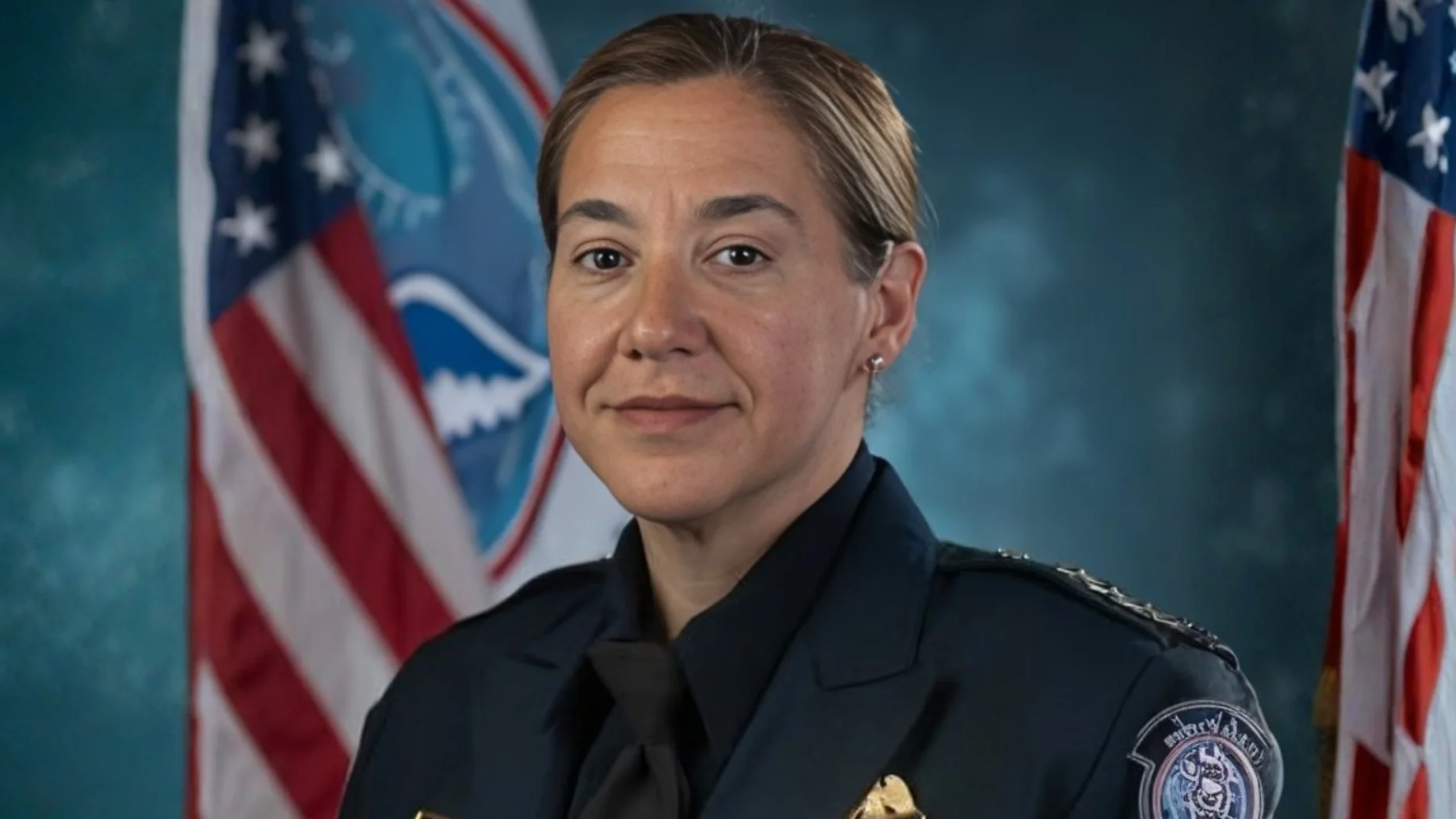
Executive Assistant Commissioner Diane J. Sabatino, a senior official with U.S. Customs and Border Protection (CBP), shared recent enforcement actions and discoveries by CBP officers and canines at various ports of entry in the United States through her social media posts.
On March 13, 2026, Sabatino reported an incident at the Otay Mesa Port of Entry (POE) involving an attempted drug smuggling operation. She stated, "At the Otay Mesa POE, a traveler tried to smuggle 34 lbs. of cocaine in the rear seat of his car. One of our @cbp canines quickly alerted, prompting a physical inspection and the discovery of 13 bundles. Great job, @DFOSanDiego, staying situationally aware."
The following day, on March 14, 2026, Sabatino highlighted another canine-assisted interception at George Bush Intercontinental Airport (IAH) in Houston. She wrote, "Last month at @IAH, @DFOHouston K9 Huey alerted to luggage from Guatemala. The bag contained fresh leaves, chorizo, fruit, seeds, and beans. Insect larvae was discovered in the leaves which was sent to @USDA for identification. Great job, Huey! #OFOProud"
Later that same day, Sabatino described a financial recovery by CBP trade specialists in Atlanta related to tariff evasion: "CBP trade specialists in the Atlanta Field Office recovered $829K after uncovering a tariff evasion scheme involving decorative ornaments. An importer falsely claimed an “in-transit” exemption meant for vessel cargo while the shipments actually moved by rail.
#OFOproud"
These posts reflect ongoing efforts by CBP to prevent illegal activities such as drug smuggling and customs fraud at U.S. borders and ports of entry. The use of trained canines remains a key part of detecting contraband and agricultural risks entering the country. In addition to law enforcement operations at land borders and airports, CBP also monitors import compliance for commercial shipments across all modes of transportation.