The U.S. Department of Energy announced on Mar. 13 a Request for Proposal for an emergency crude oil exchange from the Strategic Petroleum Reserve, marking the first step in a previously announced 172-million-barrel exchange. The initial request covers 86 million barrels, with companies required to return borrowed oil plus additional barrels as a premium, aiming to reinforce the reserve and stabilize markets without cost to taxpayers.
This move is part of a coordinated international response requested by President Trump, following disruptions in global oil supply routes due to escalating tensions in the Middle East and attacks attributed to Iran and its proxies. The action seeks to ensure reliable energy flow through critical maritime corridors while maintaining national security.
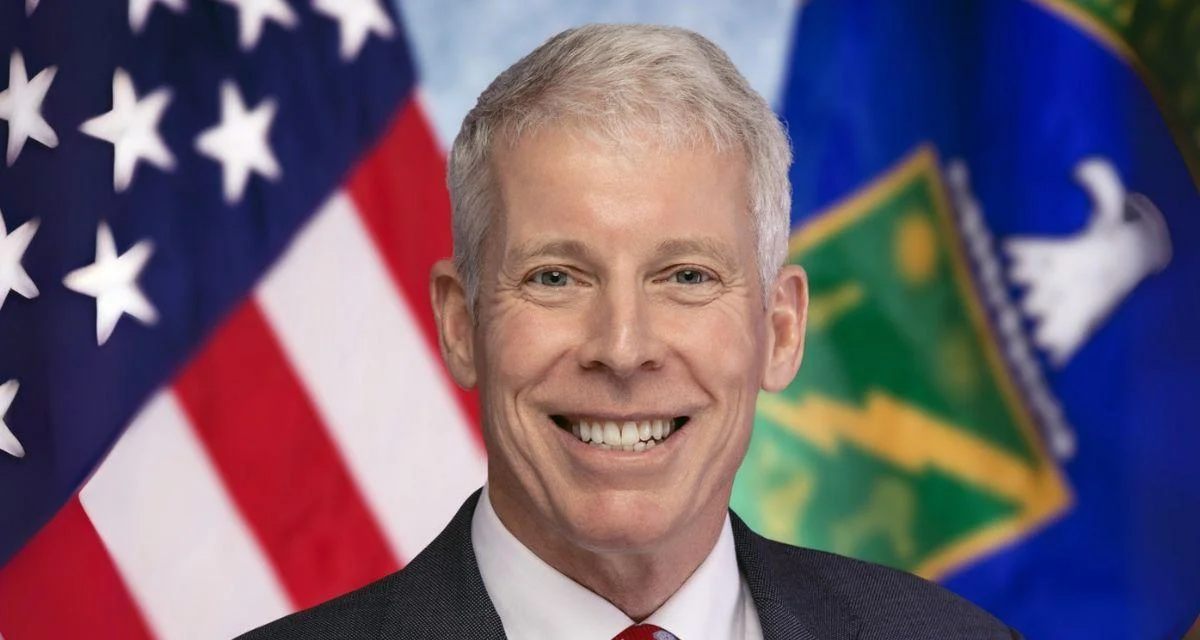
Early deliveries are expected by the end of next week from SPR sites at Bryan Mound, West Hackberry, and Bayou Choctaw. Return schedules are designed to protect commercial markets and maintain the reserve's readiness. Kyle Haustveit, Assistant Secretary of the Hydrocarbons and Geothermal Energy Office, said, “Today’s action reflects President Trump's continued commitment to safeguarding U.S. energy security and contributing constructively to global market stability. By participating in the coordinated international release, we are helping ensure that supply remains reliable during a period of heightened global uncertainty. We will continue to work closely with our partners to support a resilient energy system while maintaining the long‑term strength and readiness of the Strategic Petroleum Reserve.”
Currently, the Strategic Petroleum Reserve holds about 415 million barrels—an increase from approximately 395 million barrels one year ago—as reported by DOE’s latest figures. The administration continues efforts to strengthen this reserve as a key element of American energy security.
In related initiatives, the Department of Energy has also announced funding programs such as $225 million for building energy code implementation under President Biden’s Bipartisan Infrastructure Law; encouraged international cooperation on clean energy transitions; highlighted technology development for environmental management missions; applied innovative processes for groundwater cleanup at Savannah River Site; announced $96 million for clean vehicle technologies; and launched over 140 programs supporting President Biden’s Justice40 Initiative.
Bids for this solicitation must be submitted by 5:00 P.M. CT on Tuesday, March 17. More information is available on DOE’s website.