The U.S. Department of Energy announced on Mar. 17 a $293 million Request for Application to support the Genesis Mission, which aims to address over 20 national science and technology challenges using artificial intelligence. The funding opportunity, titled “The Genesis Mission: Transforming Science and Energy with AI,” invites interdisciplinary teams from DOE National Laboratories, industry, and academia to propose projects in areas such as advanced manufacturing, biotechnology, critical materials, nuclear energy, and quantum information science.
This initiative is significant because it seeks to harness artificial intelligence to solve complex problems that impact national priorities in science and energy. By encouraging collaboration among leading research institutions and private sector partners, the program aims to accelerate innovation across multiple fields.
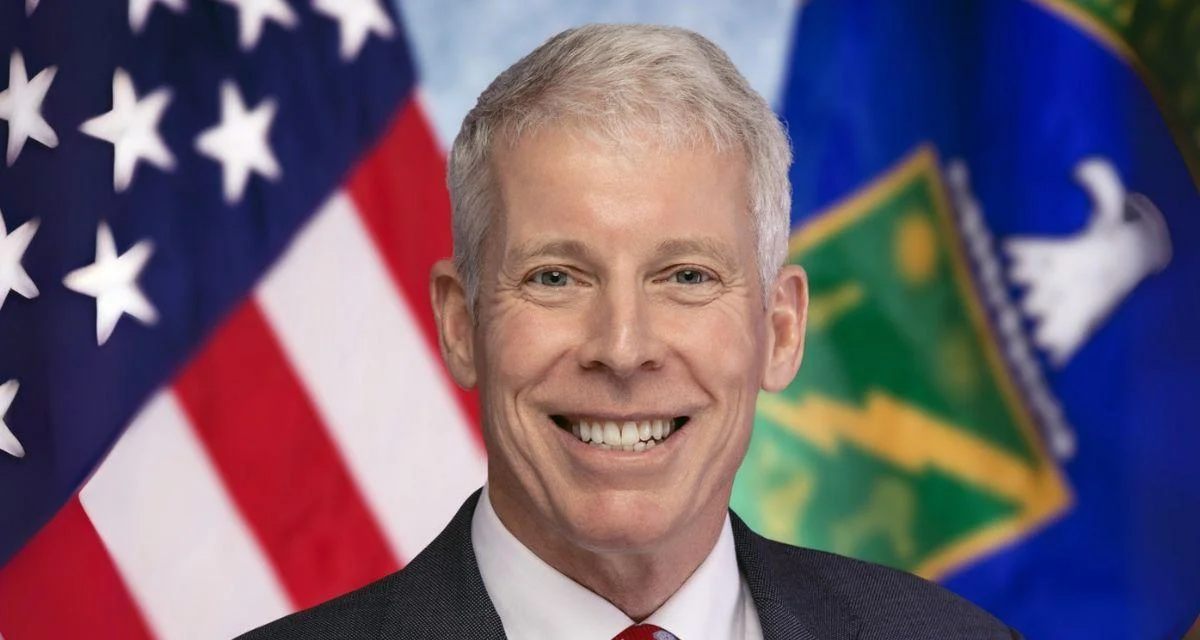
Under Secretary for Science Darío Gil, who also serves as Genesis Mission Director, said, “The Genesis Mission has caught the imagination of our scientific and engineering communities to tackle national challenges in the age of AI. With these investments we seek breakthrough ideas and novel collaborations leveraging the scientific prowess of our National Laboratories, the private sector, universities, and science philanthropies.”
Phase I awards will range from $500,000 to $750,000 for nine-month projects. Phase II awards will provide between $6 million and $15 million over three years. Teams may apply directly to either phase during fiscal year 2026; successful Phase I teams can compete for larger Phase II awards in future cycles. Applications for Phase I and letters of intent for Phase II are due April 28; full Phase II applications are due May 19. An informational webinar is scheduled for March 26.
The Department of Energy has previously launched major initiatives supporting clean energy transitions and infrastructure improvements. For example, it announced a Notice of Intent in July 2022 for a $225 million program funded by President Biden’s Bipartisan Infrastructure Law to implement updated building energy codes according to DOE. In another effort that month, Secretary Jennifer Granholm encouraged international cooperation on clean energy at the Global Clean Energy Action Forum as shown in a DOE video.
DOE officials have also highlighted the importance of technology development through national laboratories in environmental cleanup missions according to testimony before Congress. Innovative approaches such as passive energy processes using crushed marble have been applied at sites like Savannah River Site according to DOE Office of Environmental Management.
In addition to these efforts, DOE announced a $96 million funding opportunity in July 2022 aimed at decarbonizing transportation by expanding electric vehicle charging access and advancing cleaner engine technologies according to DOE. The department also supports President Biden’s Justice40 Initiative with more than 140 programs designed to deliver clean energy investments to disadvantaged communities according to DOE.
Full eligibility requirements and application instructions for the Genesis Mission RFA are available under NOFO: DE-FOA-0003612.