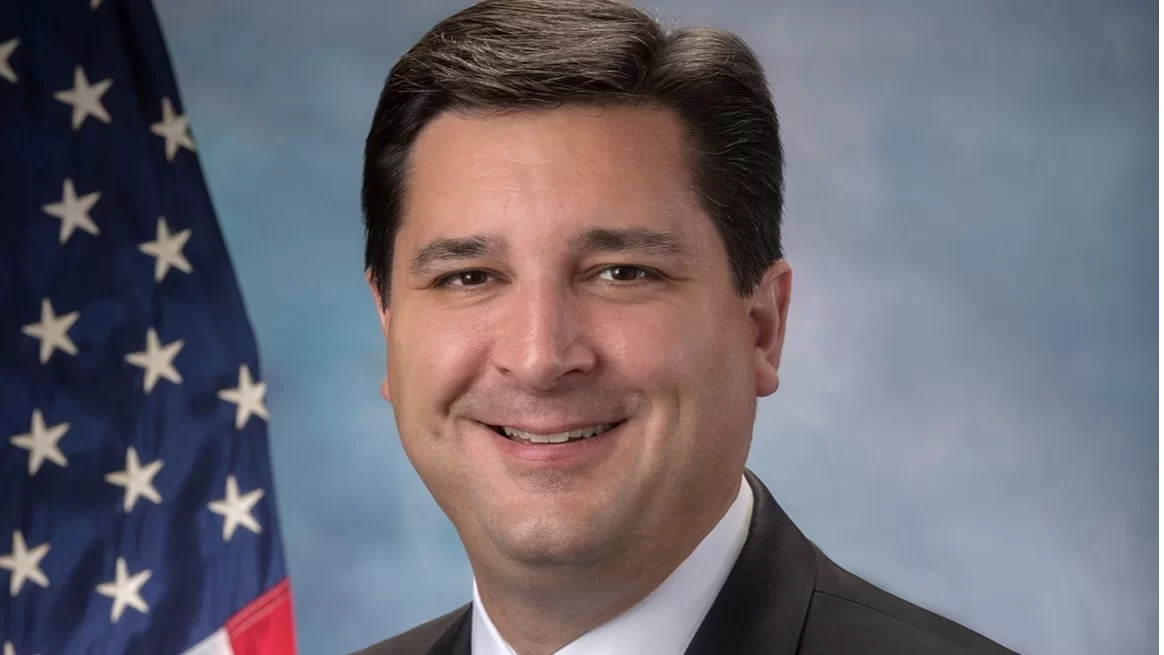
Several organizations representing truck drivers, trucking companies, and supply chain groups in the United States announced on Mar. 17 their support for Dalilah’s Law. The legislation, led by Highways and Transit Subcommittee Chairman David Rouzer, aims to strengthen Commercial Driver’s License (CDL) requirements, ensure commercial motor vehicle drivers are properly trained and meet safety standards, require English language proficiency, and prevent unqualified or illegal immigrants from obtaining a CDL through lax state enforcement.
The issue is significant because it addresses concerns about highway safety and the integrity of the professional driver training system. Supporters say that closing loopholes in the current system will help protect both the traveling public and those working in the trucking industry.
The Commercial Vehicle Training Association (CVTA) said, “CVTA represents the nation's leading providers of commercial driver training. Our member schools are responsible for preparing the next generation of professional truck drivers—men and women who will operate 80,000-pound vehicles alongside American families every day. The integrity of the Commercial Driver’s License system is not an abstract policy concern for our members. It is the foundation on which their businesses, their students’ careers, and the safety of the traveling public all depend. Dalilah's Law addresses gaps in the CDL system that CVTA members have long recognized as threats to both highway safety and the credibility of professional driver training.”
The Owner-Operator Independent Drivers Association also voiced its support: “We write in strong support of the Amendment in the Nature of a Substitute for H.R 5688, Dalilah’s Law. This legislation closes loopholes that have allowed unqualified individuals to obtain a commercial driver’s license (CDL) through the 'non-domiciled' CDL program and ensures full enforcement of English Language Proficiency standards for professional truck drivers, among other improvements. As the largest national organization representing small-business truckers and professional drivers, this legislation would help improve highway safety for our members making their living behind the wheel of a truck.”
Chris Burroughs, President & CEO of Transportation Intermediaries Association (TIA), said: “The markup of Dalilah’s Law by the House Transportation and Infrastructure Committee marks an important step toward strengthening highway safety and protecting the integrity of our nation’s supply chain. By addressing the use of foreign dispatch services, safety standards for commercial drivers, and strengthening accountability for motor carriers, this legislation takes meaningful action to protect the traveling public and the supply chain that powers our economy. TIA looks forward to continuing to work with Congress to advance policies that enhance highway safety and secure America’s supply chain.”
A joint statement signed by numerous national and state trucking associations added: “America’s trucking industry strongly supports Dalilah’s Law and the effort to strengthen the integrity of the commercial driver’s license system. We appreciate the leadership of Secretary Duffy, Administrator Barrs, and the House Transportation and Infrastructure Committee in answering the President’s call during State of the Union Address to strengthen roadway safety. Ensuring that commercial drivers are properly trained, tested, and qualified is essential to protecting...the motoring public...By reinforcing accountability...this legislation helps remove bad actors from road while supporting...drivers...who operate safely...”
The House Transportation and Infrastructure Committee is scheduled to hold a markup session on March 18 at 10:00 a.m., where further discussion on Dalilah's Law will take place.