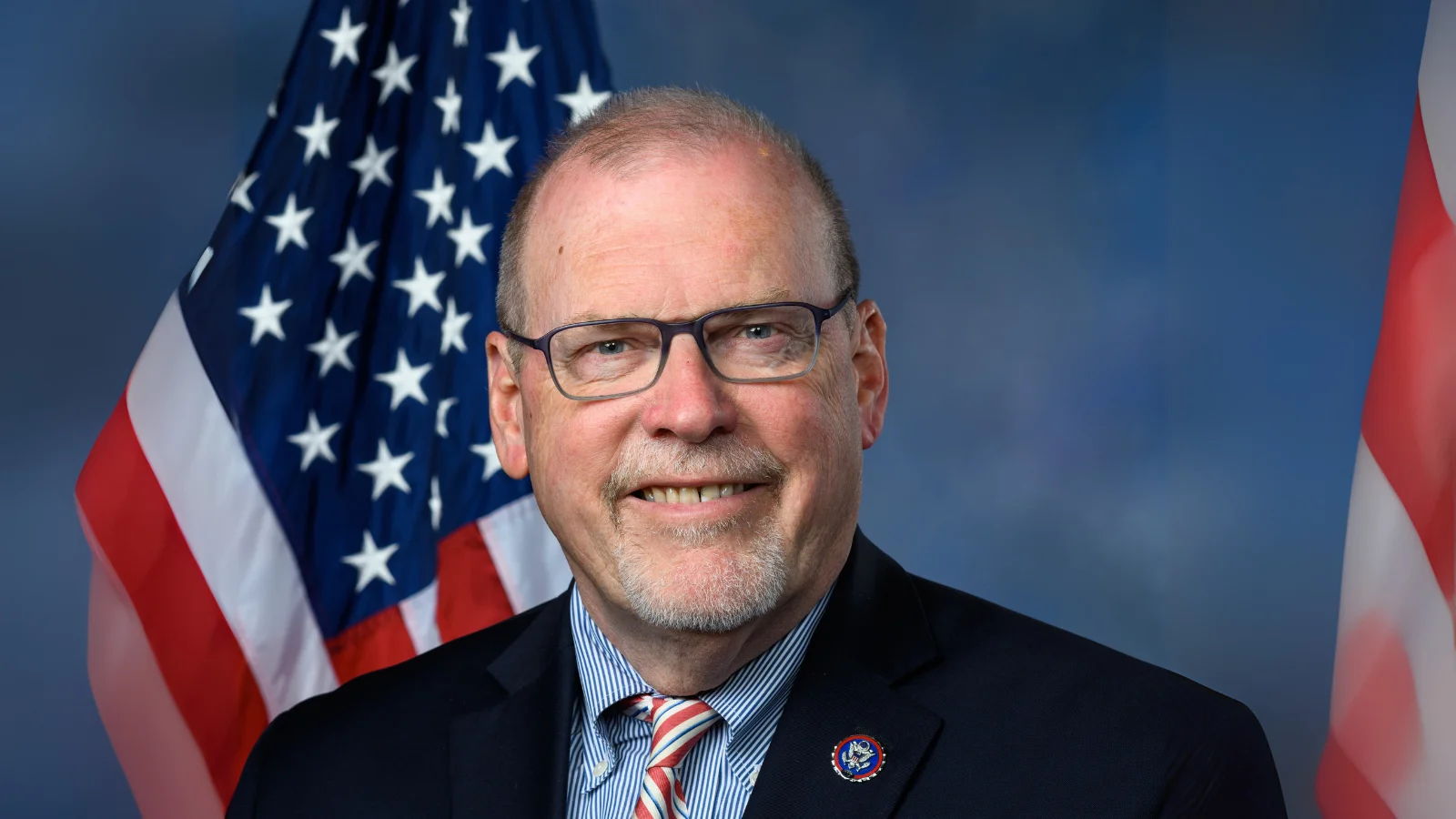
Congressman Morgan Griffith, Chairman of the Subcommittee on Health, led a hearing on Mar. 18 titled "Lowering Health Care Costs for All Americans: An Examination of the U.S. Provider Landscape." The hearing focused on concerns about how hospital consolidation and lack of price transparency may be increasing costs for patients across the country.
The topic is significant as it addresses ongoing challenges in the U.S. health care system, including rising expenses for patients and providers, especially in rural areas where access to care can be limited.
Griffith said, “When provider markets lack competition and transparency, prices can rise without patients having the information needed to make cost-conscious decisions.” He added that the committee heard from organizations representing various health care providers to seek solutions for more affordable care delivery.
Congresswoman Mariannette Miller-Meeks highlighted the impact of consolidation and declining Medicare reimbursement rates on patient access. “Today’s hearing is critically important because every policy discussion [involves] real patients—employers trying to provide health insurance, families trying to afford care, seniors managing chronic conditions, and providers working to keep their doors open in increasingly complex systems... If we continue on the current path, we’re not just cutting payments, we are cutting access,” she said.
Congressman Cliff Bentz questioned whether physician shortages contribute to higher prices. Dr. DiGiorgio agreed with this assessment. Bentz also raised concerns about large systems profiting from delayed care: “It was discouraging to hear how many billions of dollars are being made on the float... And that appears to be something we should be focusing upon.”
Congresswoman Erin Houchin pointed out that practice costs have risen while Medicare payments have declined. She asked Dr. Aizuss about impacts on patient access and possible Congressional actions. Dr. Aizuss responded: “As I’ve noted, the decrease in real payment for Medicare services is accelerating independent physicians to close their offices or to sell their practices... So, the access is definitely impacted by that... The biggest solution... is having Medicare payment reform tied to the medical economic index with automatic inflationary updates—just like the other providers are receiving.”
The House Energy and Commerce Committee oversees legislation related to energy, health care, environmental protection, telecommunications and consumer issues according to its official website. The committee has played a role in shaping policies such as energy innovation and pharmaceutical pricing according to its official website. It stands as one of the oldest standing committees in Congress according to its official website, tracing its origins back to 1795 when it began as the Committee on Commerce and Manufactures according to its official website.
The broader implications of these discussions could affect future legislative efforts aimed at improving affordability and accessibility within American health care.