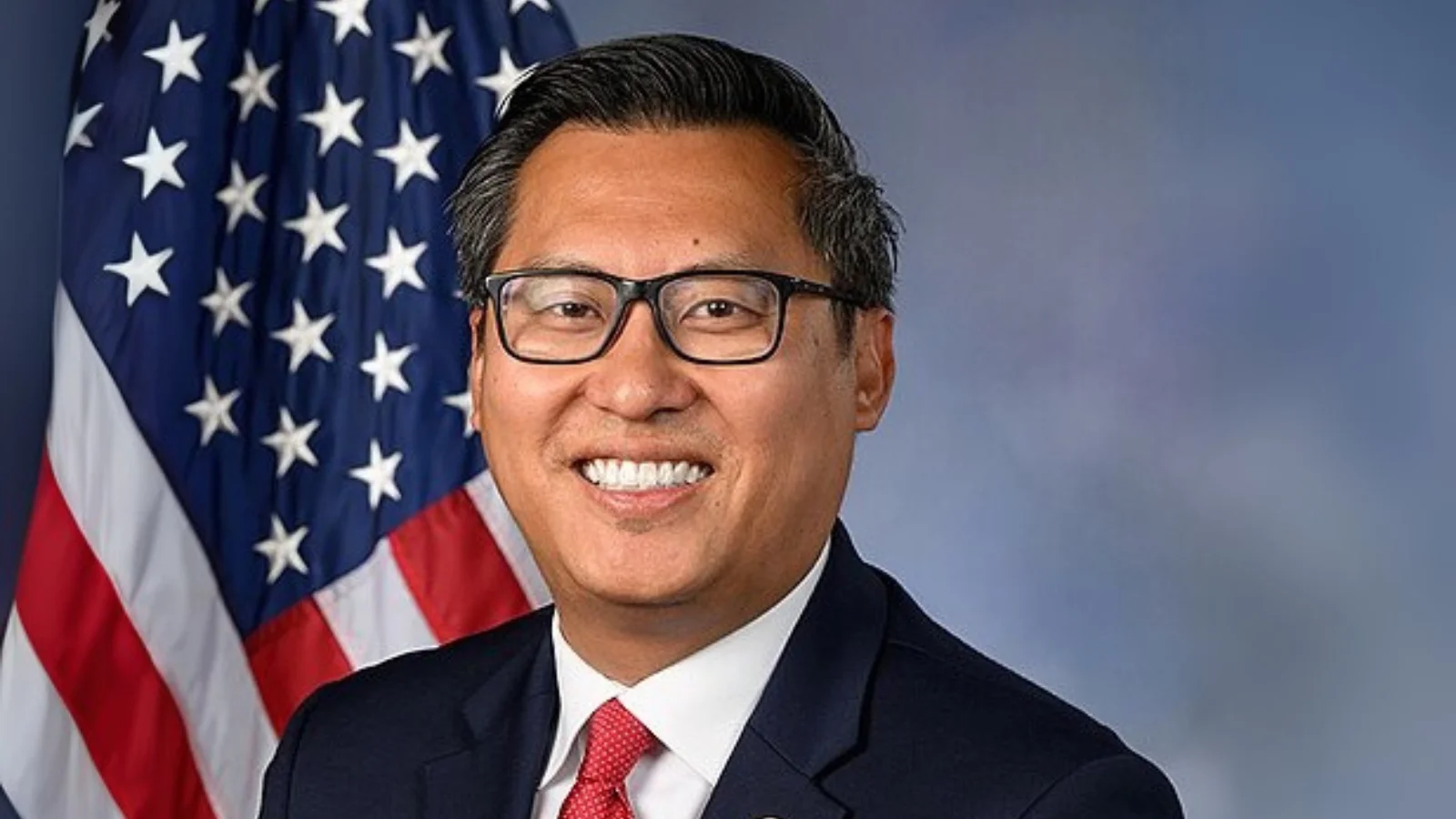
Rep. Vince Fong, a member of the Subcommittee on Cybersecurity and Infrastructure Protection, delivered an opening statement on Mar. 17 during a hearing focused on the security risks posed by artificial intelligence, robotics, and autonomous technologies developed by companies linked to the People’s Republic of China.
The hearing addressed growing concerns about how these technologies could impact U.S. national security and the need to strengthen domestic technology and manufacturing capabilities.
Fong said that China is aggressively seeking dominance in key technological sectors such as artificial intelligence, robotics, and autonomous systems. He noted that this competition is already evident across American institutions and infrastructure. "The pattern behind this expansion should look familiar. Chinese companies replicate or acquire American innovation, benefit from large-scale state support, undercut competitors on price, and then use their growing market presence to collect data and expand Beijing’s strategic reach," Fong said.
He highlighted the case of DeepSeek, a Chinese AI company that released a model in January 2025 rivaling top American systems at much lower cost. According to Fong, there are allegations that DeepSeek used proprietary models from U.S. firms without consent through model distillation techniques rather than investing in original research. He added that recent reports suggest DeepSeek employees may have circumvented safeguards using unauthorized networks and attempted to override safety protections related to sensitive research areas.
Fong also raised concerns about Unitree Robotics, which supplies robotic dogs and humanoid robots globally at prices below those of American competitors due to state subsidies. He cited research indicating vulnerabilities in Unitree products that could allow unauthorized access or remote control, with some devices transmitting operational data back to servers in China.
Fong concluded by emphasizing support for American innovation while calling for investment in trusted alternatives, stronger cybersecurity practices, and measures to prevent federal funds from supporting platforms that could compromise U.S. data or infrastructure. "The answer is not to retreat from these technologies. It is to invest in trusted American alternatives, strengthen cybersecurity practices, and prevent federal funds from supporting platforms that put American data and infrastructure at risk and give China an economic and military advantage," he said.