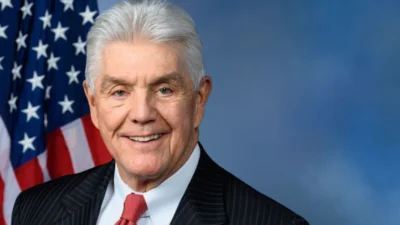
Senator Amy Klobuchar announced on Mar. 19 the introduction of bipartisan legislation aimed at lowering fertilizer costs and increasing price transparency for American farmers. Senators John Thune and Roger Marshall joined Klobuchar in proposing two bills that seek to expand domestic fertilizer production and improve market information amid ongoing economic challenges in agriculture.
The proposed legislation comes as farmers face high input costs, low commodity prices, and supply chain disruptions. Fertilizer prices have risen sharply since late February, with urea up by 25 percent and other components such as ammonia, phosphate, sulfur, and potassium also increasing. These conditions have left many producers struggling financially as they prepare for the spring planting season.
Klobuchar said, “At a time when rising fertilizer costs and low commodity prices are continuing to erode farmers' profitability, we should be increasing price transparency for farmers in the current market and increasing domestic fertilizer production and storage here at home.” She added that the bipartisan bills would help stabilize pricing, reduce supply chain disruptions, and ensure affordable access to fertilizer.
The Fertilizer Transparency Act, cosponsored by Senators Chuck Grassley and Tammy Baldwin alongside Thune and Klobuchar, would establish a mandatory price reporting system for key fertilizer components. Thune said, “Higher prices for fertilizer – and the uncertainty surrounding costs – have only strained their budgets even further. This legislation would empower producers with better information about fertilizer pricing so they can make cost-effective choices when it comes to purchasing key inputs for their crops.”
The Homegrown Fertilizer Act aims to create grant and loan programs supporting domestic production expansion and improved storage capacity. Marshall said, "Kansas farmers deserve a competitive, diverse fertilizer marketplace that doesn't leave them at the mercy of price spikes and supply disruptions... I'm proud to lead this effort alongside Senator Klobuchar." Leaders from agricultural organizations including Wes Beck of the Minnesota Corn Growers Association; Dan Glessing of the Minnesota Farm Bureau Federation; Jared Kovar of the Red River Valley Sugarbeet Growers Association; Darin Johnson of the Minnesota Soybean Growers Association; Gary Wertish of Minnesota Farmers Union; and Austen Germolus of the Minnesota Wheat Growers Association voiced support for increased transparency, competition, domestic production capacity, and policies addressing volatile input costs.
William Findlay first proposed creating what is now known as the Senate Agriculture, Nutrition, and Forestry Committee to elevate agriculture's status within Congress according to its official website. The committee operates as a standing committee affiliated with the U.S. Senate according to its official website.
Currently composed of 23 members—12 Republicans and 11 Democrats—the committee manages legislation on farming issues such as nutrition programs while conducting oversight on rural development policies according to its official website. It also advances research and education in agriculture, and has historically influenced policies like price supports for farmers in the 1930s and addressed international trade issues in the 1990s according to its official website.
The committee views agriculture, commerce, and manufacturing as three essential pillars requiring balanced governmental support according to its official website. Its work continues to shape legislation affecting food security, hunger, forestry, and rural issues both domestically and internationally.
Looking ahead, supporters of the new bills hope that increased transparency and investment in domestic fertilizer production will help stabilize prices for farmers. As Beck said, “Increasing pricing transparency and providing additional loan and grant funding for domestic fertilizer production are great first steps toward creating competition and preventing anti-competitive pricing practice in the fertilizer market. Such price stabilization is critically important now, as farmers are squeezed by softening commodity prices and skyrocketing input costs.”