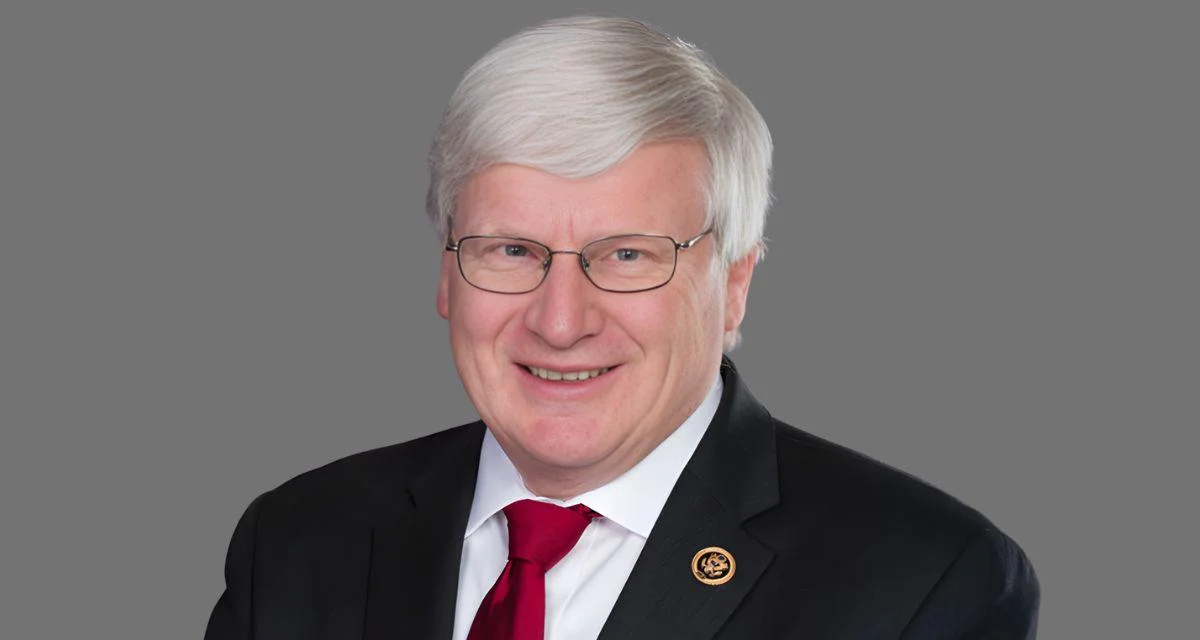
Subcommittee on Health Care and Financial Services Chairman Glenn Grothman announced on Mar. 26 the opening of a roundtable focused on "Examining Mental Health in the MAHA Age." In his prepared remarks, Grothman said that although more Americans are seeking treatment for mental health issues than ever before, outcomes have not improved and the state of mental health is worsening.
The topic is significant as it addresses both public health and economic concerns. Grothman said that while access to mental health care has expanded dramatically over the past two decades—from about 27 million adults receiving treatment in 2002 to nearly 60 million by 2024—key indicators such as depression and suicide rates remain at historic highs. He noted that "as individuals receiving mental health care increased, the rate at which they reported their mental health being excellent decreased."
Grothman pointed out that spending on mental health and substance use disorders has also grown substantially, rising from $40.9 billion in 2000 to $139.6 billion in 2021. He said this spending now accounts for a larger share of overall medical services expenditures, with per capita costs growing faster than other medical services.
He highlighted particular concern for young people, stating that rates of diagnoses and psychiatric medication use among children and adolescents have risen sharply. "Antidepressant prescriptions for individuals aged 12 to 25 increased by more than 63 percent between 2016 and 2022," he said, adding that outcomes for youth continue to worsen despite these interventions.
Grothman clarified that "this is not an argument against mental health care, nor is it an attempt to stigmatize those seeking help." Instead, he called for accountability within a system where investment has not led to better results: "They deserve a system that works, and they deserve accountability when it does not." The roundtable featured Dr. David Hyman from Georgetown Law and Cato Institute; Dr. Sally Satel from AEI; and Laura Delano from Inner Compass initiative.