The U.S. House of Representatives passed the Decoupling from Foreign Adversarial Battery Dependence Act, banning the Department of Homeland Security from procuring batteries from six Chinese companies including CATL, according to a Jan. 15 statement.
The legislation aims to address concerns about supply chain security and human rights issues linked to certain foreign battery manufacturers. Lawmakers said the measure is intended to prevent federal procurement dollars from supporting companies with alleged connections to forced labor or other adversarial activities.
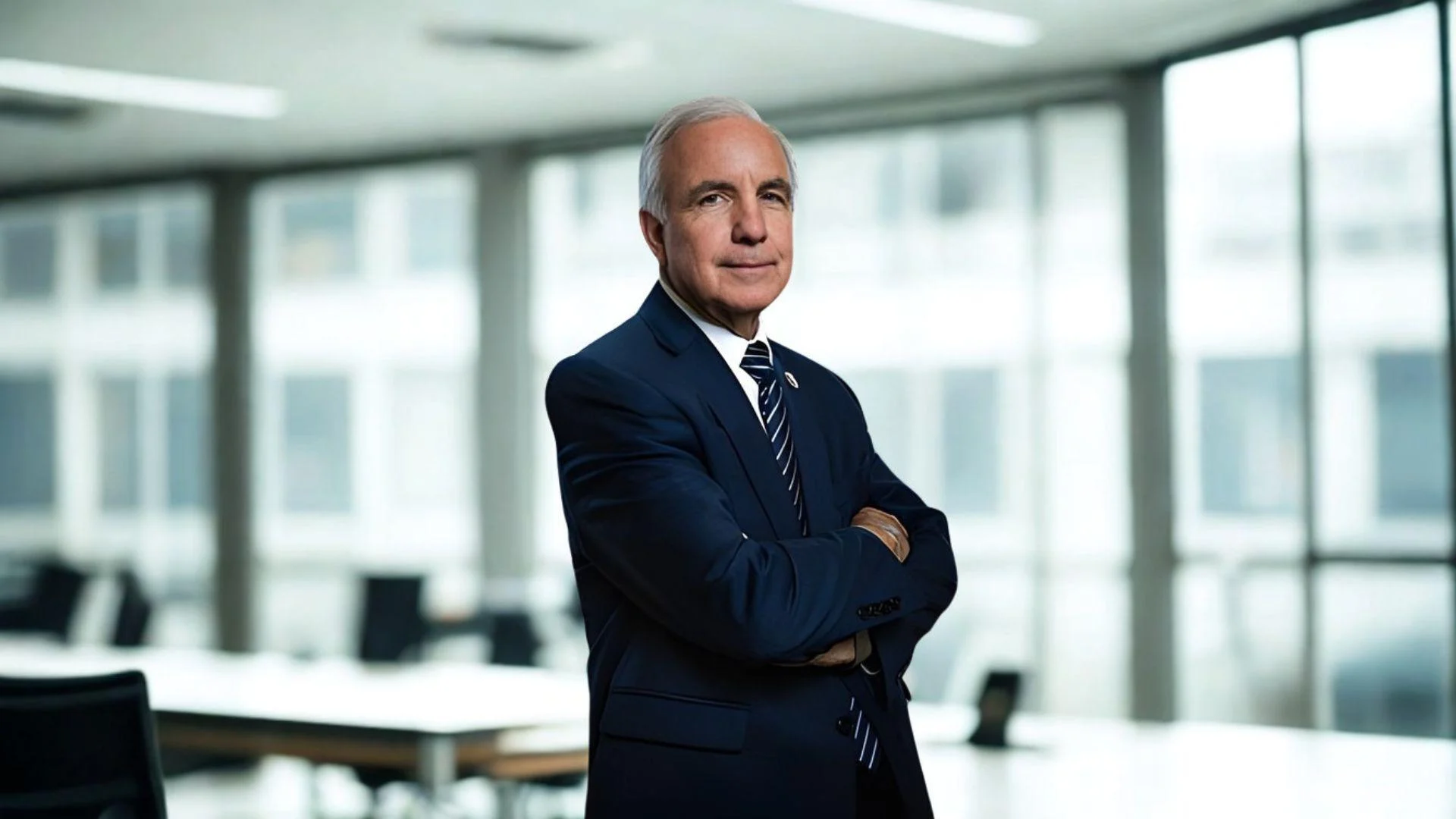
Rep. Carlos Gimenez introduced the legislation with co-sponsors including House Homeland Security Committee Chairman Mark Green, R-Tenn., and House Select Committee on the Chinese Communist Party Chairman John Moolenaar, R-Mich. The House passed the bill by voice vote under suspension of the rules, a procedure typically used for measures with broad bipartisan support, according to the congressional record.
Gimenez represents Florida’s 28th Congressional District and chairs the Homeland Security Subcommittee on Transportation and Maritime Security. The Decoupling from Foreign Adversarial Battery Dependence Act names CATL, BYD, Envision Energy, EVE Energy, Gotion High-Tech and Hithium Energy Storage Technology, according to the bill.
The House Select Committee on the Chinese Communist Party reported that CATL supply chains are connected to forced labor and the ongoing genocide of Uyghurs in China. The report said CATL sources electrolytic nickel from a subsidiary of Xinjiang Nonferrous, a state-owned enterprise with documented use of forced labor. China produces about 80% of the world’s batteries, according to the committee.
Ford’s BlueOval Battery Park Michigan in Marshall relies on lithium iron phosphate technology licensed from CATL, one of the six companies named in the legislation. The Department of Homeland Security procurement ban takes effect Oct. 1, 2027. However, no comparable restriction prevents Ford from receiving up to $900 million in taxpayer-funded 45X production credits for the same facility, Bridge Michigan reported.