The House Budget Committee held a hearing on Mar. 27 to discuss adopting a 3% deficit-to-GDP framework as a way to address the nation’s growing debt and put the United States on a path toward fiscal balance.
The issue of federal debt is important because rising deficits and interest payments threaten economic stability, with concerns that unchecked borrowing could lead to higher interest rates, reduced investment, and risks to federal programs.
During the hearing, Maya MacGuineas of the Committee for a Responsible Federal Budget said, "We all know the federal budget is on an unsustainable trajectory. There are too many scary numbers and facts to list. Right now, I'm pretty consumed with the fact that we spend more on interest than we do on national defense—also that we spend $6 per senior on every $1 we spend on children—and also that right now interest payments run about $7,300 per household on average..." MacGuineas supported setting a clear target: "Picking a target is a necessary first step." She added that while 3% may not be ideal in theory, it balances what is possible given current fiscal challenges.
Representative Blake Moore highlighted changes in government spending over time: "In 1965, over 70% of our budget was discretionary... What’s grown was... just that quarter of the budget on a few mandatory programs. It has now grown to an extremely high portion of the budget." Kurt Couchman from Americans for Prosperity said annual review by committees would help manage spending more effectively.
Jonathan Burks from the Bipartisan Policy Center warned about broader impacts: "Our growing debt puts upward pressure on interest rates... Elevated mortgage rates are putting homeownership out of reach for far too many Americans." He praised efforts for bipartisan cooperation and called for establishing a bipartisan fiscal commission.
Representative Buddy Carter asked why targeting 3% matters. Couchman responded: "Right now, the federal government is borrowing 6% of GDP every single year. This would cut that in half and it would make it below the growth rate of the economy..."
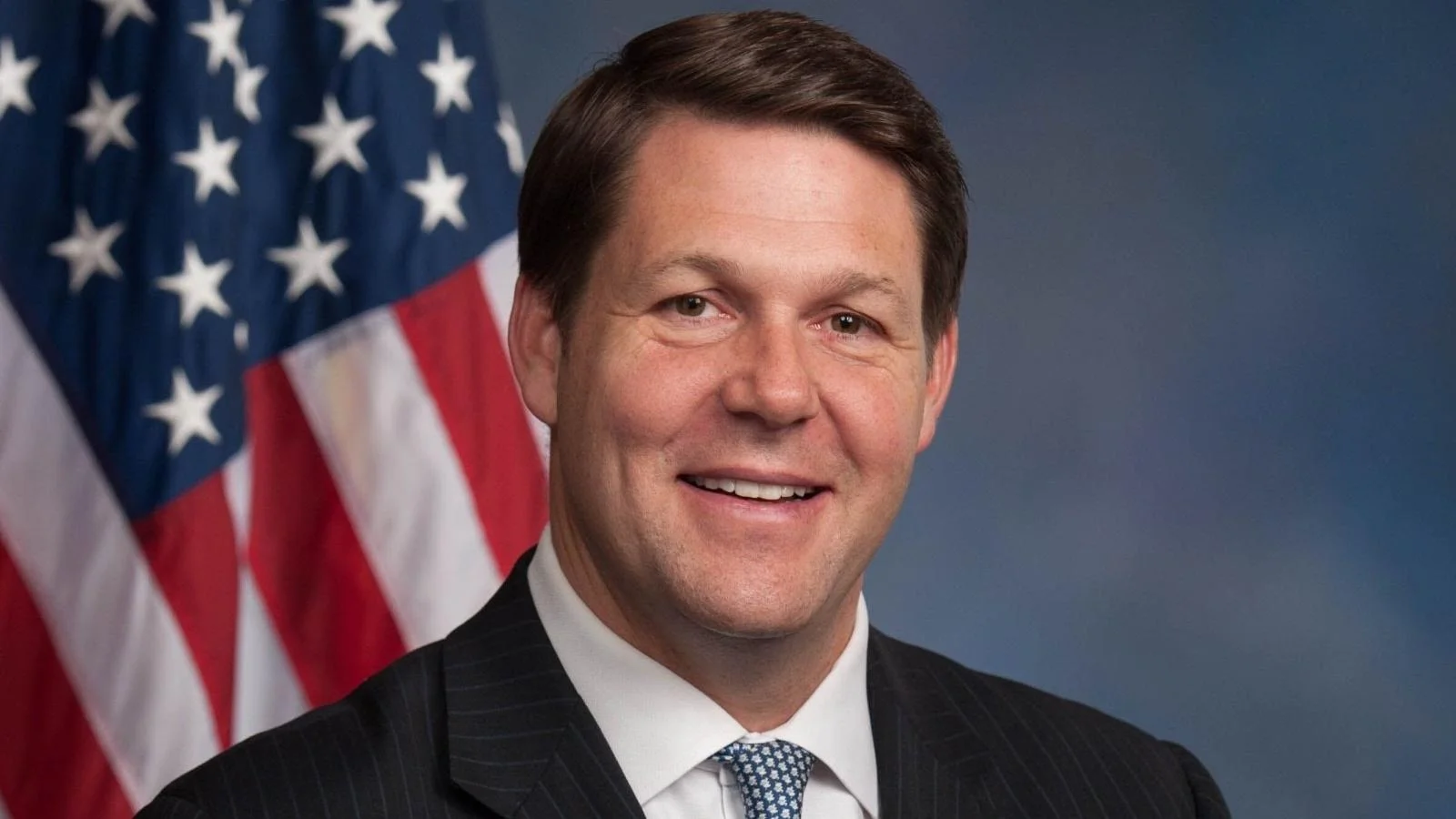
Chairman Jodey Arrington presided over these discussions as part of his role leading committee efforts according to the official website. The House Budget Committee works with members from other key committees such as Ways and Means and Appropriations according to its official website, oversees federal spending priorities according to its official website, develops annual budget resolutions according to its official website, collaborates with independent analysts like those at Congressional Budget Office according to its official website, prepares guidelines for spending targets according to its official website, and has used reconciliation processes in past budget management efforts according to its official website.
As Congress continues debate over potential solutions—including adopting clear benchmarks like limiting deficits relative to GDP—participants agreed bipartisan cooperation will be essential moving forward.