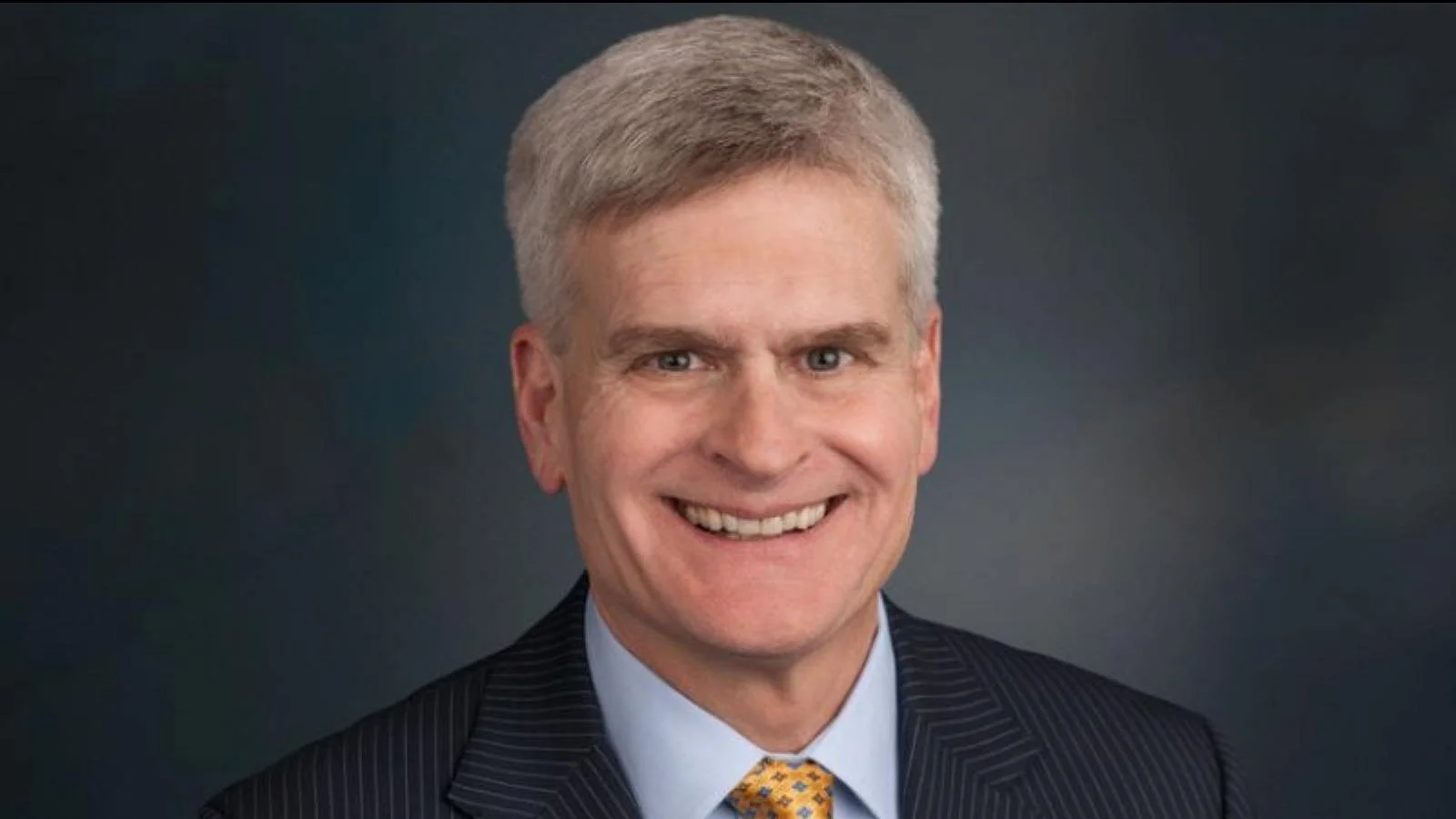
U.S. Senator Bill Cassidy, M.D., chairman of the Senate Health, Education, Labor, and Pensions Committee, led a hearing on March 27 focused on reforming college athletics and prioritizing student-athletes’ education. Cassidy said that Congress should act to ensure stability in the college sports system.
The topic is important because changes to how student-athletes are classified could affect their educational opportunities and the future of many college sports programs. The committee plays a significant role in shaping federal policy on health, education, and labor issues across the country according to the official website.
“People love college sports,” Cassidy said. “[A]s important as that is, student-athletes can change the trajectory of their life by participating in college athletics.” He added that “the current system is unsustainable.”
Several witnesses at the hearing agreed with Cassidy’s concerns about classifying student-athletes as employees. Dr. Trayvean Scott, vice president of intercollegiate athletics at Grambling State University in Louisiana, said: “[M]y belief is that roster spots will start to be reduced, alright, specifically to those non-revenue sports, specifically on the men's side... For an institution like Grambling State University where we have 15 Division I sports, that means baseball is probably going to go first... football is going to reduce roster spots.” LSU basketball legend Collis Temple added: “[E]very student-athlete who goes to a university and completes an academic performance standard has an opportunity to be a pro. We just need to realize that ‘pros’ are mathematicians. ‘Pros’ are scientists. ‘Pros’ are English teachers... Pros’ are people who have a lifetime of opportunity.”
Abby Lynch from the University of Illinois spoke about possible negative effects for women’s sports protected by Title IX if athletes were reclassified as employees: “[I]t would be more expensive than you are expecting,” she said. “[T]he way that we balance women’s sports and protect women’s sports is not exactly clear in an employment model.” She continued: “[W]omen’s sports and Olympic sports… are at a threat under an employment model.”
As chairman during the 119th Congress according to the official website, Cassidy has led efforts including roundtable discussions with other senators such as Tommy Tuberville (R-AL), Jon Husted (R-OH), Chris Murphy (D-CT), and expert panelists seeking input from stakeholders about how Congress can address these challenges.
The Senate Health, Education, Labor, and Pensions Committee works on public health legislation; supports worker rights; oversees agencies like FDA and NIH; influences federal regulations affecting health and education; provides oversight for laws relating to health and labor; all according to information available from its official website.
Broader implications may include changes not only for athletes but also for colleges nationwide if reforms move forward or new regulations arise.