The U.S. Environmental Protection Agency announced a proposal to amend the 2024 National Emissions Standards for Hazardous Air Pollutants for Ethylene Oxide Commercial Sterilization Facilities, aiming to ensure consistency with the law and scientific standards while safeguarding the supply of essential medical equipment.
Ethylene oxide is described by the EPA as the only safe and effective sterilization method available for many medical devices, including heart valves, pacemakers, surgical kits, gowns, drapes, ventilators, syringes, and catheters. The agency said that current emission standards threaten facilities’ ability to sterilize equipment and could jeopardize a secure domestic supply chain of critical medical tools.
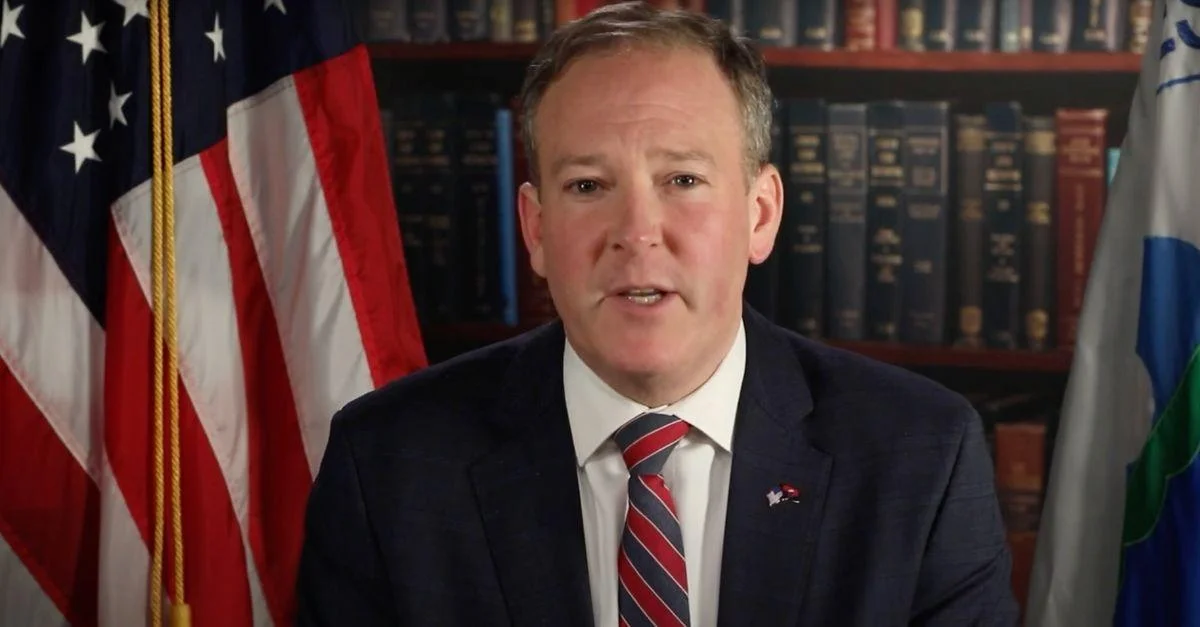
"This proposed rule shows EPA’s strong commitment to protecting people’s health while maintaining a stable domestic medical supply chain," said EPA Administrator Lee Zeldin. "The Trump EPA is committed to ensuring life-saving medical devices remain available for the critical care of America’s children, elderly, and all patients without unnecessary exposure to communities."
According to the EPA release, Congress designed section 112 of the Clean Air Act with specific timelines and requirements for reviewing maximum achievable control technology standards. The agency said that in 2024, a second residual risk review was conducted beyond what is required by law using an older risk-based value for ethylene oxide. This led to more stringent emission standards that prompted concerns from industry stakeholders and federal agencies about their feasibility and impact on maintaining a strong domestic supply chain.
As a result of these concerns and facilities’ inability to meet compliance deadlines under the 2024 rule, an exemption process was established in January 2025. The Trump administration's EPA has now proposed removing certain risk-based standards introduced in 2024 and changing requirements such as continuous emission monitoring systems. Facilities would have options between installing new monitoring systems or adjusting technology review standards based on their emissions levels.
The agency estimates that this proposed action would save approximately $630 million over 20 years while preserving access to properly sterilized medical equipment needed for patient safety. Public comments will be accepted for 45 days after publication in the Federal Register. More information can be found according to the official roster page.