The House Budget Committee held a hearing last week examining the proposal to reduce the federal budget deficit to 3 percent of gross domestic product, according to an April 2 statement. The hearing featured comments from policy experts and organizations on how such a target could stabilize national debt and strengthen economic growth.
The discussion comes as lawmakers seek ways to address long-term fiscal challenges. The House Budget Committee is responsible for overseeing federal spending, developing budget resolutions, and promoting fiscal responsibility, according to the official website.
Ray Dalio said, "I strongly endorse reducing the budget deficit to 3% of GDP because it is essential for preventing the United States from 'going broke,' which would most likely take the form of it printing a lot of money which would greatly devalue it." Dalio also noted that bipartisan leaders privately agree with this target but fear political consequences. He added that passing legislation specifying a 3% goal could provide accountability and help strengthen markets.
Other organizations voiced similar support. Concord Action said, "A 3 percent deficit target is not a silver bullet, but it is a strong and achievable first step toward restoring fiscal stability." Brett Loper of Peterson Solutions Fund stated that stabilizing at this level would improve prospects for families and businesses. Fiscal Lab on Capitol Hill commented that under historical conditions, such a target aligns with primary balance where revenues cover all spending except interest costs.
Daniel Kowalski from the Heritage Foundation called achieving this milestone important but cautioned against abandoning efforts toward a balanced budget. Romina Boccia at CATO Institute described the limit as "a clear, credible benchmark" while Hana Greenberg from Arnold Ventures emphasized real-world impacts: "The interest cost of a 30-year mortgage at the 2025 median home price is higher by roughly $2,500 per year—approximately $76,000 over the life of the loan—compared to a world without this additional federal debt." She also pointed out increased borrowing costs for auto loans and small business loans due to higher deficits.
The Committee for a Responsible Federal Budget called the proposal potentially "the sweet spot between what is sufficient and what is possible," suggesting it could halve deficits as share of GDP while stabilizing national debt if implemented credibly.
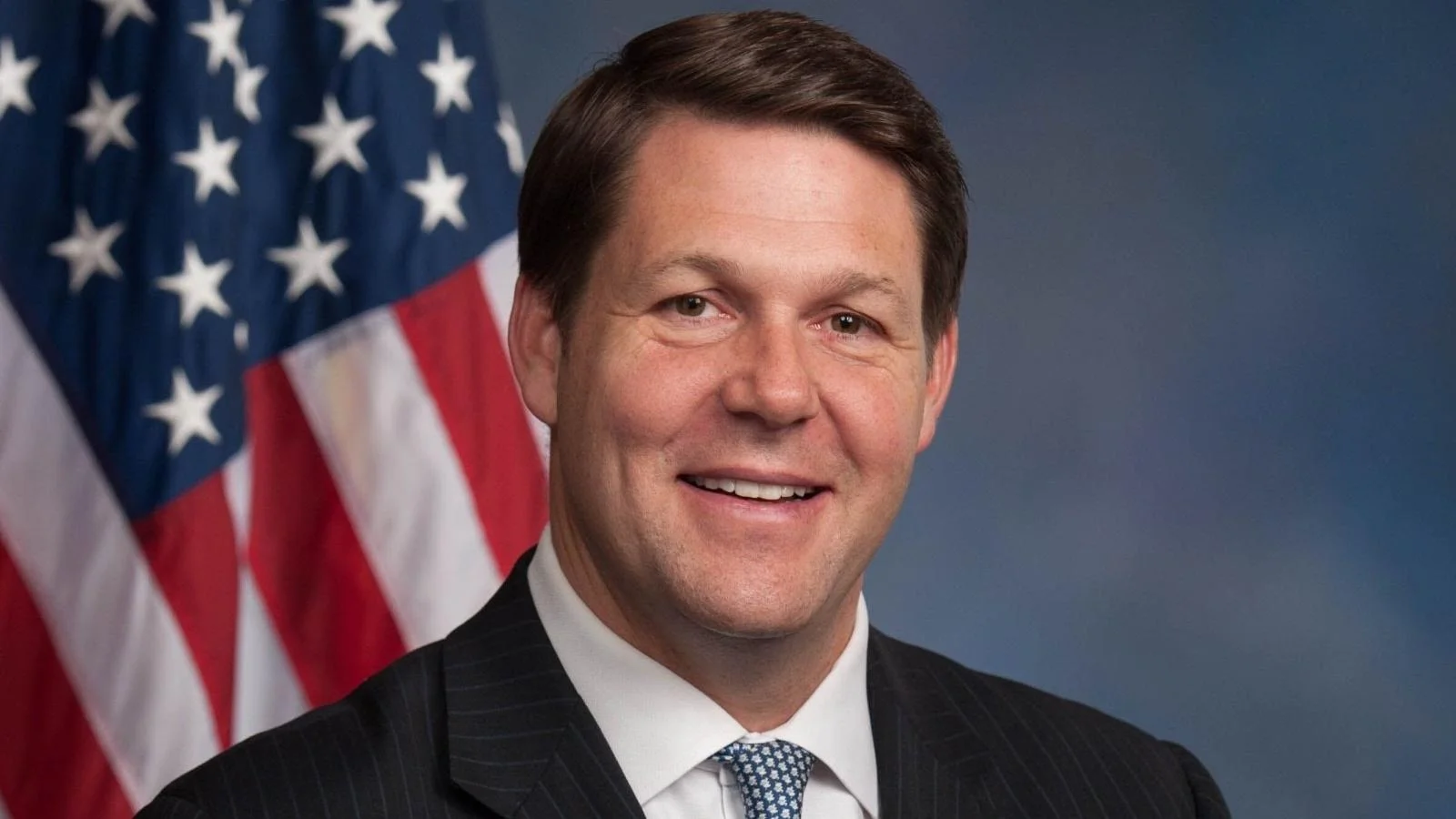
The House Budget Committee includes members from key committees such as Ways and Means and Appropriations according to its official website. It has influenced budget management through use of reconciliation processes according to its official website and collaborates with the Congressional Budget Office for independent analyses according to its official website. Jodey Arrington has served as chairman according to its official website, guiding preparation of annual resolutions setting spending targets according to its official website.
Supporters say advancing legislation targeting a sustainable deficit ratio could signal seriousness about tackling structural challenges in U.S. fiscal policy.