The Subcommittee on Border Security and Enforcement and the Subcommittee on Cybersecurity and Infrastructure Protection held a hearing this week to discuss how transnational criminal organizations are using new technologies to target Americans, businesses, and critical infrastructure.
Witnesses from technology, policy, and security sectors warned that these criminal networks increasingly rely on cyber-enabled financial crimes to fund illegal activities. They said this trend poses growing risks to the U.S. financial system, public safety, and sectors such as healthcare. Witnesses recommended leveraging American innovation, strengthening public-private partnerships for information sharing, and enforcing tougher penalties against cybercrime.
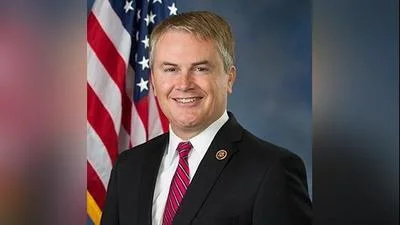
Subcommittee Chairman Michael Guest said scams enabled by technology often target elderly Americans using emotional manipulation tactics. "Most Americans have encountered some sort of scam enabled by technology. These scams often target our aging and elderly families and constituents – seeking to drain their life savings and retirement plans using emotional manipulation tactics. In 2025 alone, scammers stole more than $20 billion from Americans," Guest said. He also highlighted the use of cryptocurrency by Mexican drug trafficking organizations for money laundering.
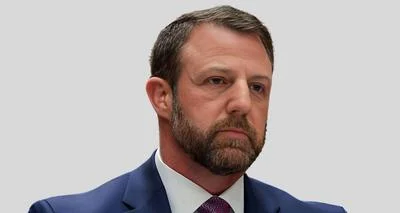
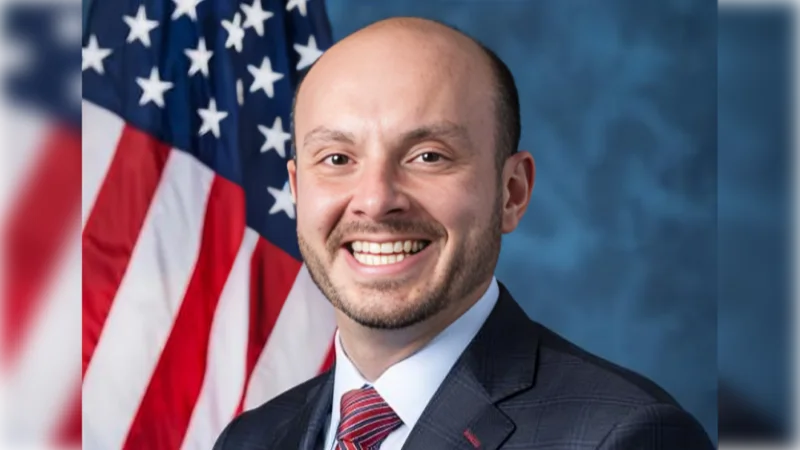
Subcommittee Chairman Andy Ogles described online scams as an "industrial-scale criminal campaign" backed by nation-state adversaries like China and Russia. He pointed out connections between organized crime groups with roots in China or Russia operating fraud compounds in Southeast Asia: "These operations combine cyber fraud, money laundering, cryptocurrency manipulation, digital extortion, and in many documented cases, human trafficking and forced labor." Ogles called for understanding the full scope of these threats through witness testimony.
Megan Stifel urged Congress not to let key cybersecurity laws expire: "This committee has produced effective legislation that has improved the nation’s cybersecurity posture; it should not be allowed to expire." She cited two acts set to expire on September 30, 2026—the Cybersecurity Information Sharing Act of 2015 enabling information exchange about threats between private sector entities as well as with government agencies; plus the State and Local Cybersecurity Improvement Act of 2021 providing support for local governments' cybersecurity strategies.
Other witnesses discussed ransomware attacks targeting hospitals—Cynthia Kaiser argued such acts meet definitions of terrorism—and explained how artificial intelligence is being used both offensively by criminals (to craft convincing phishing messages or deepfakes) as well as defensively within industry efforts.
Ari Redbord testified about closer cooperation between government agencies like the Department of Justice or Treasury Department with private firms developing AI-enabled tools: "Over the last... couple of years... we’ve seen a real willingness from the public sector to be working much more closely with the private sector... So I think it’s the real key here... working really closely together." Witnesses also addressed national security implications linked to conflicts involving Iran or other countries deploying similar cybercriminal tactics against American targets.
The hearing concluded with advice for individuals facing digital scams—Joshua Bercu reminded all that anyone could fall victim but encouraged use of available protective tools such as call blocking or labeling features.