The United States Department of Homeland Security announced on Apr. 9 that the U.S. Coast Guard Cutter Escanaba seized more than 4,500 pounds of cocaine, valued at $33.9 million, during a routine patrol in the Eastern Pacific Ocean on Easter Sunday.
The seizure highlights ongoing efforts to disrupt drug trafficking routes from Latin America and prevent illegal drugs from reaching American communities.
According to the announcement, a U.S. maritime patrol aircraft alerted the Escanaba to suspicious activity involving a vessel whose crew was observed throwing contraband overboard off the coast of Manta, Ecuador. The Escanaba deployed its MH-65 Dolphin helicopter aircrew and an over-the-horizon pursuit boat crew to recover and seize the suspected narcotics.
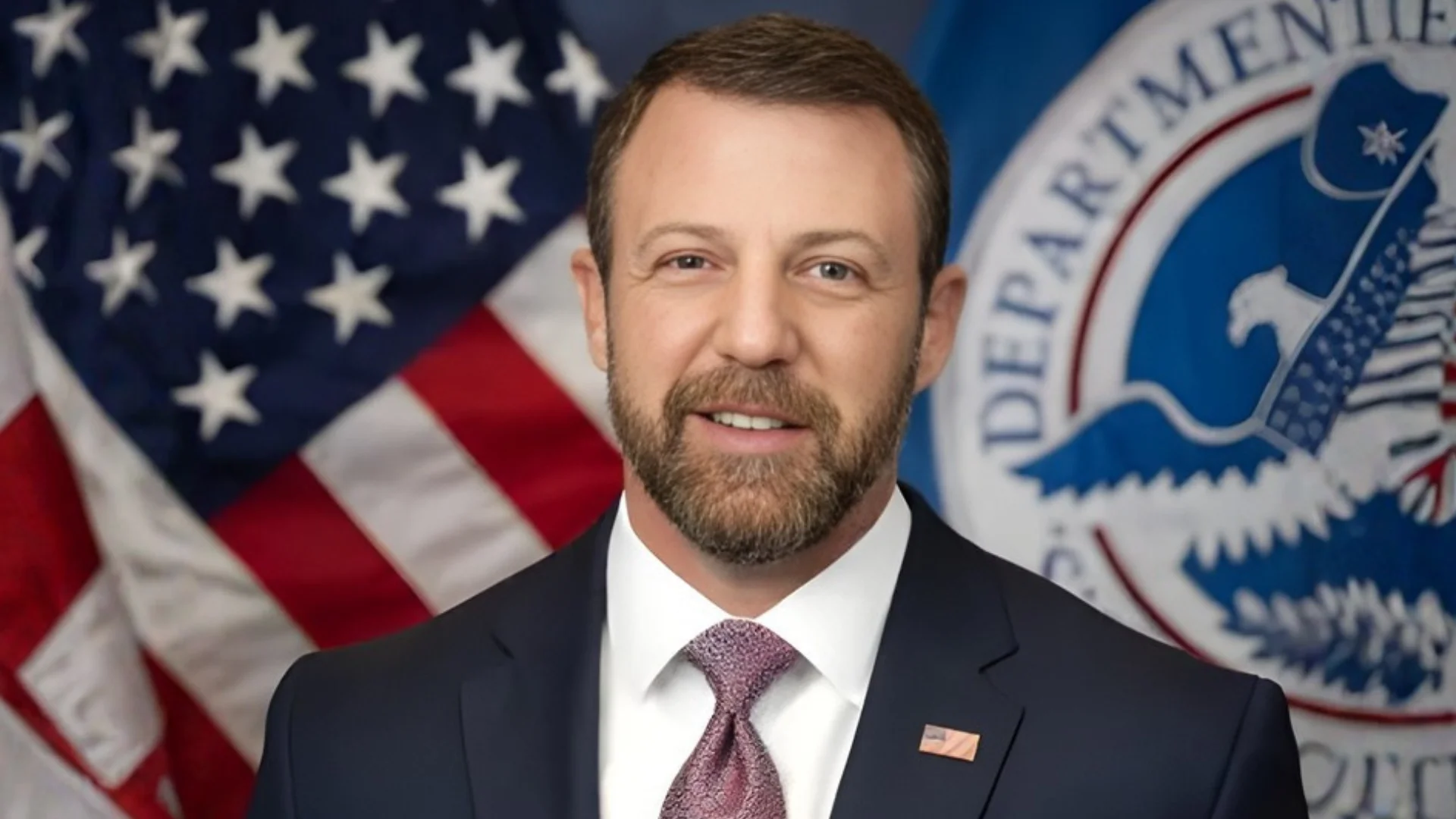
DHS Secretary Markwayne Mullin said, “Operation Pacific Viper plays a central part of President Trump’s fight against the cartels at sea, cutting off their ability to make money by trafficking their poison into our country.” Mullin continued: “This operation has already seized over 215,000 pounds of cocaine and has arrested over 160 suspected narco-traffickers. The brave men and women of the Coast Guard are saving American lives by keeping these deadly drugs out of our communities and off our streets.”
Operation Pacific Viper began in August 2025 with an increased focus on counter-drug operations in high-traffic smuggling areas such as the Eastern Pacific Ocean. Since its launch, assets including cutters, aircraft, and tactical teams have been used to interdict drug shipments and arrest suspects involved in transnational criminal organizations.
The Coast Guard reached a milestone in February by seizing more than 200,000 pounds of cocaine since Operation Pacific Viper began. In August 2025, USCGC Hamilton conducted what was described as the largest-ever drug offload in Coast Guard history—over 76,000 pounds valued at $473 million—and USCGC Stone set another record for most cocaine seized by one cutter during a single patrol with more than 49,000 pounds worth $362 million being confiscated last November.
Efforts like these are intended to disrupt cartel operations at sea and reduce illicit drugs entering U.S. borders.