The U.S. Department of Energy’s Office of Energy Dominance Financing announced on Apr. 9 a conditional commitment for a loan of up to $263 million to SHINE Chrysalis, LLC to build the Chrysalis medical isotope production facility in Janesville, Wisconsin. The project aims to create a secure domestic supply of molybdenum-99 (Mo-99), a key medical isotope used in diagnostic imaging and cancer treatment.
Millions of patients depend on Mo-99 and its decay product technetium-99m (Tc-99m) for daily medical procedures, but most current supplies are imported and limited. The new facility will use fusion and fission technology to become the only commercial producer of Mo-99 in the United States.
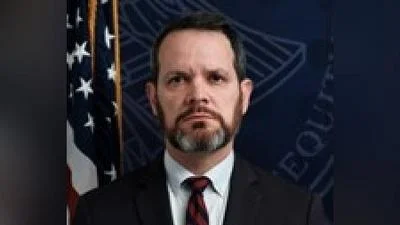
Gregory A. Beard, Director of the Office of Energy Dominance Financing, said, “The SHINE Chrysalis project is vital to improving the nuclear supply chain and contributing to a strong next-generation nuclear workforce while onshoring this critical production and improving national security.” Beard also said that using EDF’s loan authority is part of President Trump’s policy "ensuring a reliable and secure domestic supply chain while lowering costs.”
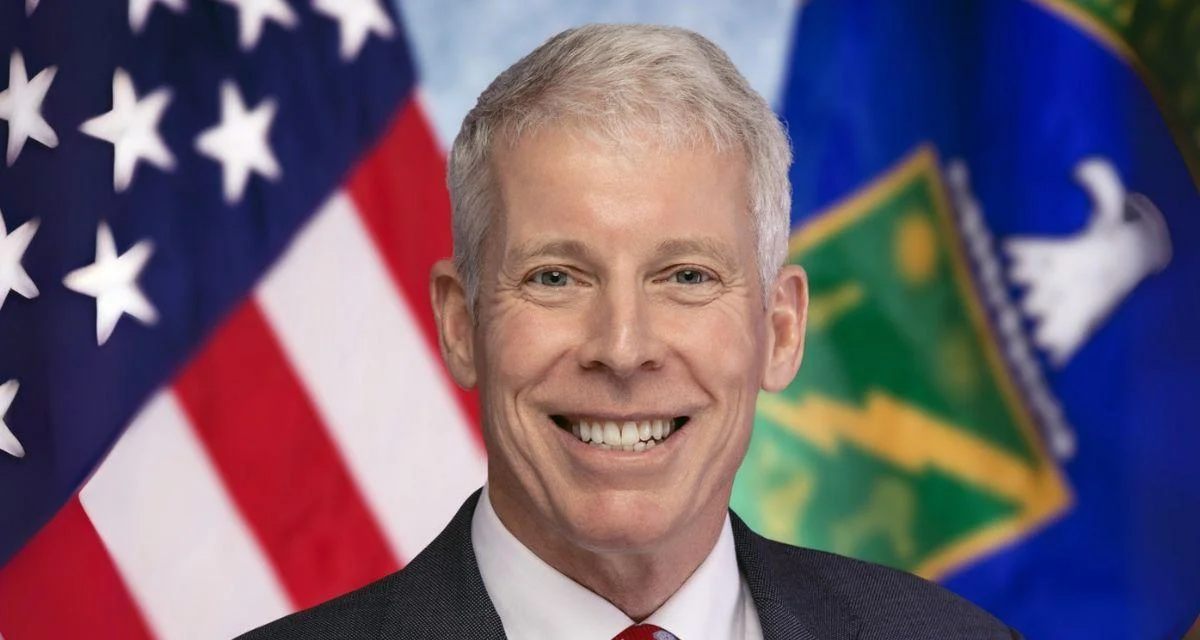
Dr. Matthew Napoli, Deputy Administrator for Defense Nuclear Nonproliferation at NNSA, said, “SHINE is the key to ending reliance on imports of foreign-produced Mo-99 and ensuring U.S. patients have reliable access to American-made medical isotopes. NNSA’s leadership made this concept a reality...providing funding and technical support from our national laboratories that enabled this innovative U.S. company to go from an idea on paper to a commercial facility that is 75% complete.” Napoli added that "the EDF conditional loan will get this project across the finish line," calling it "a major win for American nuclear medicine, fusion technology, and nuclear nonproliferation leadership.”
The Department noted that hundreds of construction and operation jobs are expected as part of building out this next-generation nuclear workforce.
In recent years, DOE has supported various energy initiatives including launching programs funded by President Biden’s Bipartisan Infrastructure Law such as $225 million toward implementing modern building energy codes according to DOE. The department has also encouraged international cooperation in clean energy transitions through forums like the Global Clean Energy Action Forum as shown in DOE communications.
National laboratory involvement remains important; William White from DOE's Office of Environmental Management highlighted their role in cleanup missions before Congress according to testimony reported by DOE. Additionally, innovative environmental processes are being applied at sites like Savannah River Site using passive energy techniques as described by DOE.
DOE continues efforts toward decarbonizing transportation with $96 million allocated for advancing clean vehicle technologies according to an announcement by DOE, as well as supporting equity-focused programs under President Biden's Justice40 Initiative through more than 140 federal programs targeting disadvantaged communities as stated by DOE.
While this conditional commitment signals intent from EDF and SHINE Chrysalis LLC, both parties must meet technical, legal, environmental, and financial conditions before any funds are released.