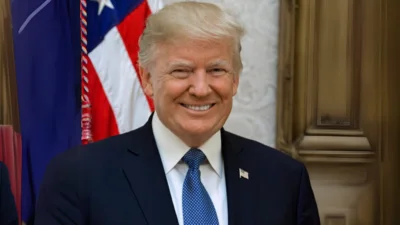
Senator Joni Ernst announced on Apr. 13 that President Trump has signed updates to the Small Business Innovation Research (SBIR) and Small Business Technology Transfer (STTR) programs into law. Ernst, who serves as Chair of the U.S. Senate Committee on Small Business and Entrepreneurship, said these changes aim to put small businesses first in federal innovation funding.
The updates are intended to address concerns that the SBIR-STTR programs previously favored large companies over small businesses and did not sufficiently protect taxpayer-funded technologies from foreign influence. The reforms seek to strengthen protections for American technology, increase accountability among recipients, and ensure more transparency in how tax dollars are used.
“After years of work to put small businesses at the forefront of the SBIR-STTR programs, I am thrilled President Trump signed these long-overdue updates into law,” said Senator Ernst. “Due to these reforms, we are putting our warfighters first, safeguarding American technology against foreign interference, holding recipients accountable for producing cutting-edge technologies, and eliminating taxpayer-funded blank checks. I look forward to working with the Trump administration to empower the entrepreneurs who drive American innovation forward and the men and women in uniform who deserve the best possible capabilities. Now these dollars will go out the door with the proper protections, and America’s seed fund will serve truly small businesses.”
The new legislation introduces several measures: strengthening due diligence standards against espionage; requiring all SBIR offices for the first time to set annual limits on applications; establishing Strategic Breakthrough awards that require matching funds from agencies; increasing accountability for technological outcomes; and improving data collection for transparency.
The Senate Small Business and Entrepreneurship Committee plays a key role in supporting informed decision-making on national fiscal priorities according to its official website. The committee also offers Congress policy options related to federal budget components according to its official website, contributes through resolutions during congressional budget processes according to its official website, provides nonpartisan budgetary analysis by overseeing the Congressional Budget Office according to its official website, features Lindsey Graham as chairman with Jeff Merkley as ranking member according to its official website, and was established under the Congressional Budget and Impoundment Control Act of 1974 according to its official website.
These legislative changes reflect ongoing efforts within Congress aimed at prioritizing smaller enterprises in government-supported research while increasing oversight over public spending.