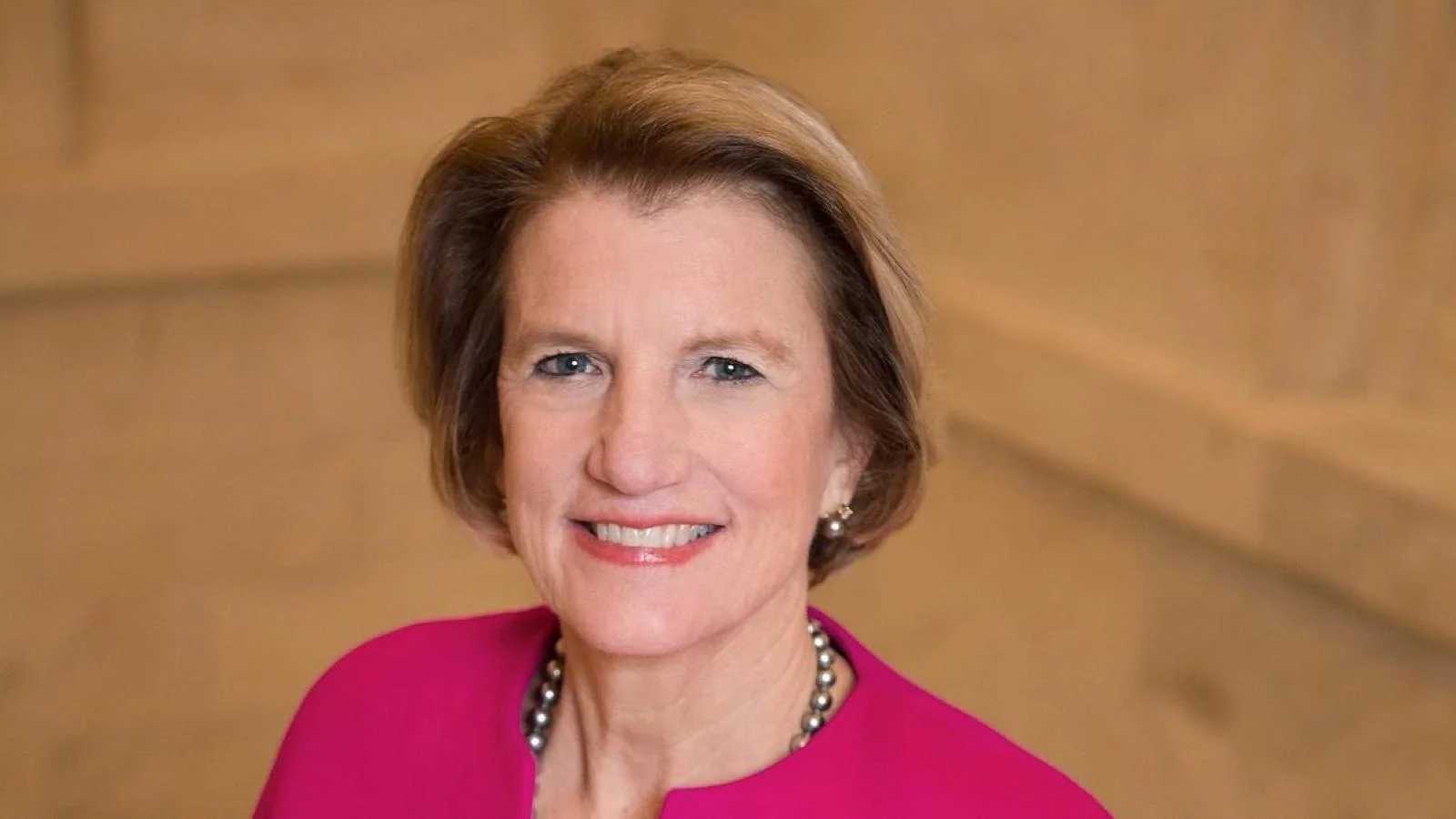
U.S. Senator Shelley Moore Capito, Chairman of the Senate Environment and Public Works Committee, led a hearing on Apr. 15 to review restoration efforts in the Great Lakes region and discuss the future of the Great Lakes Restoration Initiative (GLRI).
The hearing focused on evaluating ongoing projects to restore the health of the Great Lakes, which are important for environmental protection, public health, and economic activity. The session also considered S. 528, a bill introduced by Senators Jon Husted and Gary Peters that would reauthorize GLRI before its scheduled expiration in September.
In her opening statement, Capito said: “We’re going to discuss a priority of Senator Husted: the value of federal efforts to restore the Great Lakes. And I mentioned, I don’t have the Great Lakes in my state, but we have a lot of great lakes.” She continued by highlighting their national importance: “The health of the Great Lakes is important for achieving our nation’s environmental, public health and economic goals. Together, the five lakes make up the largest system of fresh surface water in the world and are a critical habitat for countless species. They also provide clean drinking water to millions of people in the United States and Canada.”
Capito outlined that restoration efforts date back decades with various federal initiatives such as President Bush's establishment of the Great Lakes Interagency Task Force in 2004. She explained that Congress created GLRI in 2015 as a nonregulatory program supporting ecosystem restoration projects including habitat recovery, water quality improvement, education initiatives and local capacity building.
“The Environmental Protection Agency (EPA) leads...the GLRI program,” Capito said. “Importantly, the 16 federal GLRI agencies work closely with...Great Lakes states...tribes...local governments...universities and private partners to work to advance long-term restoration goals.”
According to the official website, Capito chairs this committee alongside members such as Kevin Cramer and Cynthia Lummis; it maintains its base at Senate Dirksen Office Building where it supports hearings like this one. The committee oversees programs related to environmental quality, natural resources management and infrastructure across America according to its official site. Its legislative actions affect nationwide policy on issues from conservation regulations to wildlife protection as reported by EPW.
Subcommittees within EPW address specific topics including clean air standards or transportation infrastructure according to their website.
Capito concluded her remarks stating: “Today’s witnesses can provide insights on opportunities to improve [GLRI]…I look forward to learning about how…federal government partners with state and local governments who best understand how to prioritize…and address needs in their own backyards.”