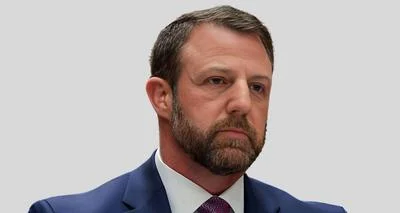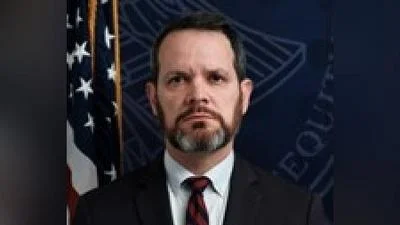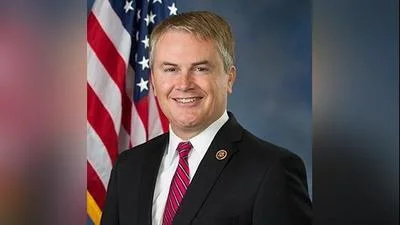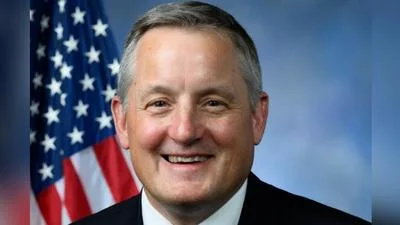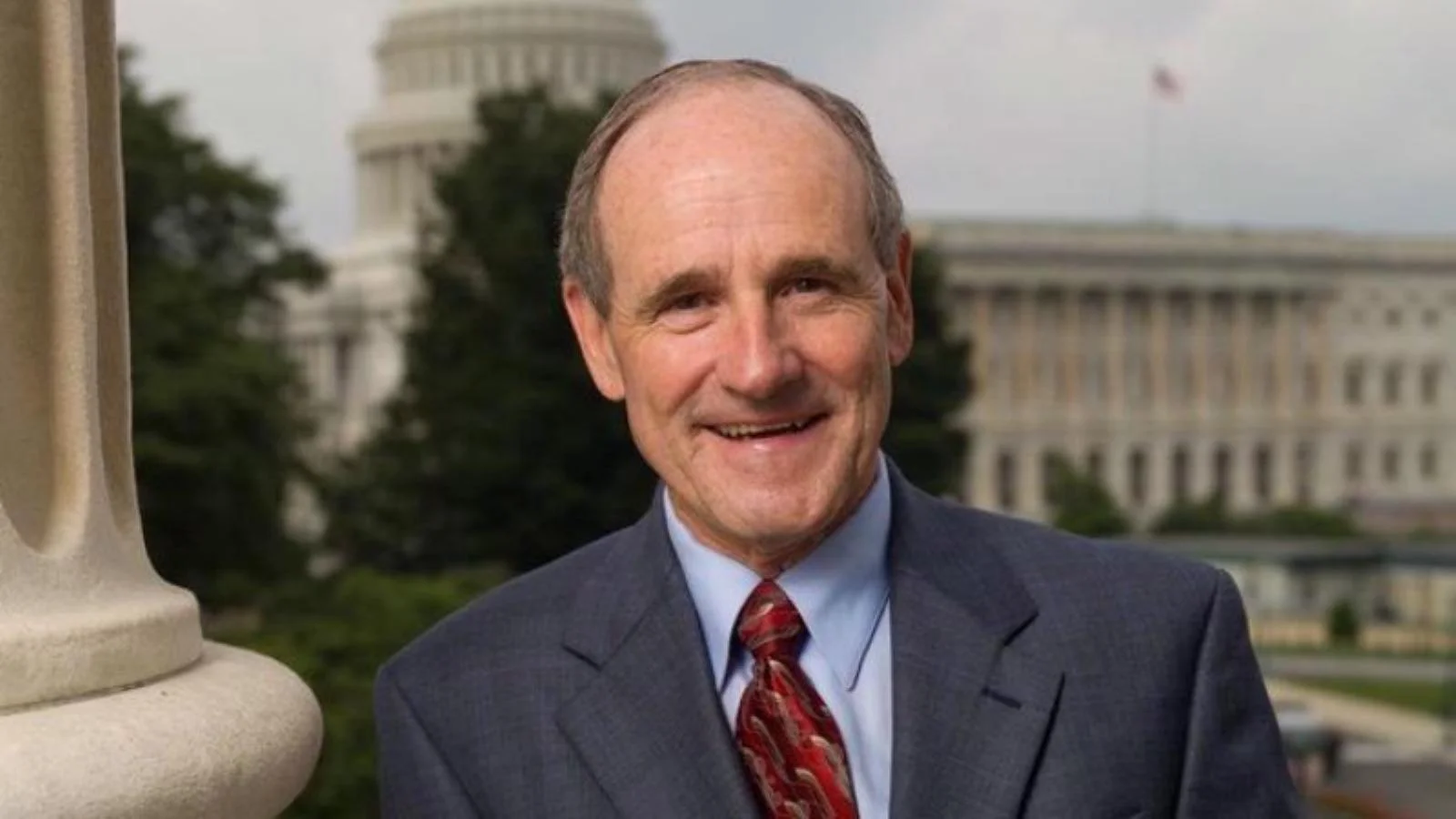
U.S. Senator Jim Risch, chairman of the Senate Foreign Relations Committee, delivered opening remarks on Apr. 16 at a full committee nomination hearing for five of President Trump's nominees to key diplomatic and policy positions.
The hearing addressed several important roles that impact U.S. foreign relations and national security. The Senate Foreign Relations Committee is responsible for shaping and overseeing U.S. foreign policy through examining treaties, legislation, and high-level appointments, according to the official website.
Risch began by welcoming the nominees and their families before addressing each candidate's prospective role. He noted that John Breslow would be the first political appointee to serve as ambassador to Cyprus if confirmed, calling it "a historic advancement in our relationship." Risch said Cyprus is a key partner in the Eastern Mediterranean with shared interests in security, trade, and energy.
For Fleet White III’s nomination as assistant secretary of State for political and military affairs, Risch said: "In this environment, the U.S. needs to quickly provide weapons and supplies to allies and partners... The U.S must remain the partner of choice in an era of intense competition for arms sales and security partnerships." He also urged White to work with the committee on implementing executive orders related to these issues.
Addressing Todd Steggerda’s nomination as U.S. representative at UN offices in Geneva, Risch said he supports reforming international organizations but insisted reforms must be system-wide: "I want to see reform but it must be done in good faith... individuals held accountable for its failures." On Preston Wells Griffith III’s nomination as representative both at Vienna’s UN office and with the International Atomic Energy Agency (IAEA), Risch highlighted national security concerns tied to those posts.
Regarding Adam Cassady's nomination as ambassador for cyberspace and digital policy, Risch outlined expectations around advancing cyber innovation policies: "You will play a major role in advancing key Trump Administration policies like the AI Action Plan... I look forward to hearing how you will work with your counterparts..."
The Senate Foreign Relations Committee has played significant roles throughout history—including supporting measures such as the Truman Doctrine in 1947 or rejecting the Treaty of Versailles after World War I—according to its official history page (https://www.foreign.senate.gov/about/history). The committee was established in 1816 as one of the original standing committees of the Senate according to its official website.
As outlined on its membership page (https://www.foreign.senate.gov/about/membership), leadership within this committee is designated between majority-ruled chairmanships such as currently held by Risch himself.