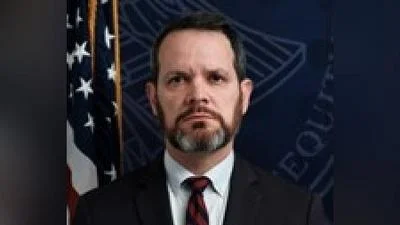
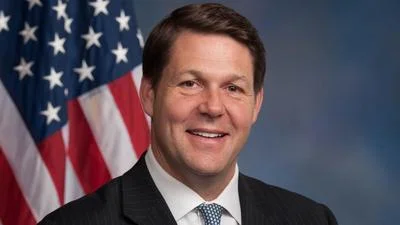
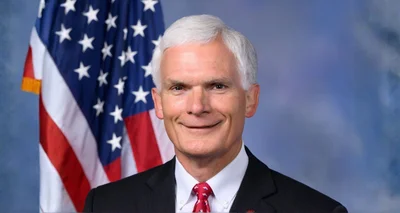
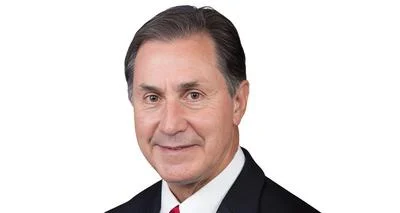
The Committee on House Administration held a full committee hearing titled "Oversight with Secretaries of State: List Maintenance and Eligibility Verification" on Apr. 16, featuring testimony from Kansas Secretary of State Scott Schwab and Minnesota Secretary of State Steve Simon.
The hearing addressed several issues related to how states maintain voter rolls and verify eligibility. This topic is significant because the integrity of voter lists impacts public confidence in elections, as well as compliance with federal laws governing voting rights.
During the session, Chairman Bryan Steil questioned Minnesota's "vouching" rule, which allows a registered voter to vouch for up to eight individuals' residency within a precinct. Simon said, "Yes, but they are only vouching for where they live, not their citizenship or age only." He added that this process requires those being vouched for to swear an oath regarding their residence. Steil responded by asking about concerns over potential inaccuracies in this process.
Vice Chair Laurel Lee discussed blackout periods that prevent the removal of deceased voters from rolls close to elections. Schwab said there is a ninety-day period during which such removals cannot occur even if deaths are confirmed: "Yeah, that's 90 days of list maintenance that's just lost." He suggested shortening or exempting certain cases from this period: "If we have a confirmed death... it should be okay to remove me in that situation or anybody else that you have a confirmed death again. It's got to be confirmed. It can't be just by rumor."
Kansas's voter ID law was also reviewed by Representative Mike Carey who asked whether the requirement has been a barrier for voters since its enactment in 2012. Schwab replied: "No, and the only barrier there was we had to provide a free ID... That's how it became a bipartisan bill." He explained that individuals who cannot afford an ID can sign an affidavit and receive one at no cost.
Rep. Mary Miller raised questions about using the Systematic Alien Verification for Entitlements (SAVE) database for verifying citizenship among registered voters following White House briefings on its use. Simon said Minnesota does not currently use SAVE due to state law restrictions but attended related meetings at the White House.
According to the official website, the House Administration Committee oversees federal elections and congressional contests nationwide while also managing oversight of House operations and Capitol security measures developed after events like September 11th and January 6th incidents. The committee played a key role in passing legislation such as the Help America Vote Act in 2002 aimed at improving voting systems' accessibility and reducing fraud.