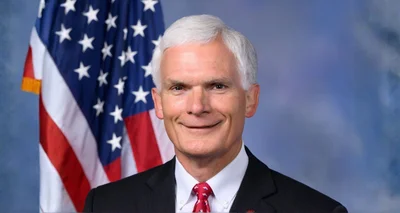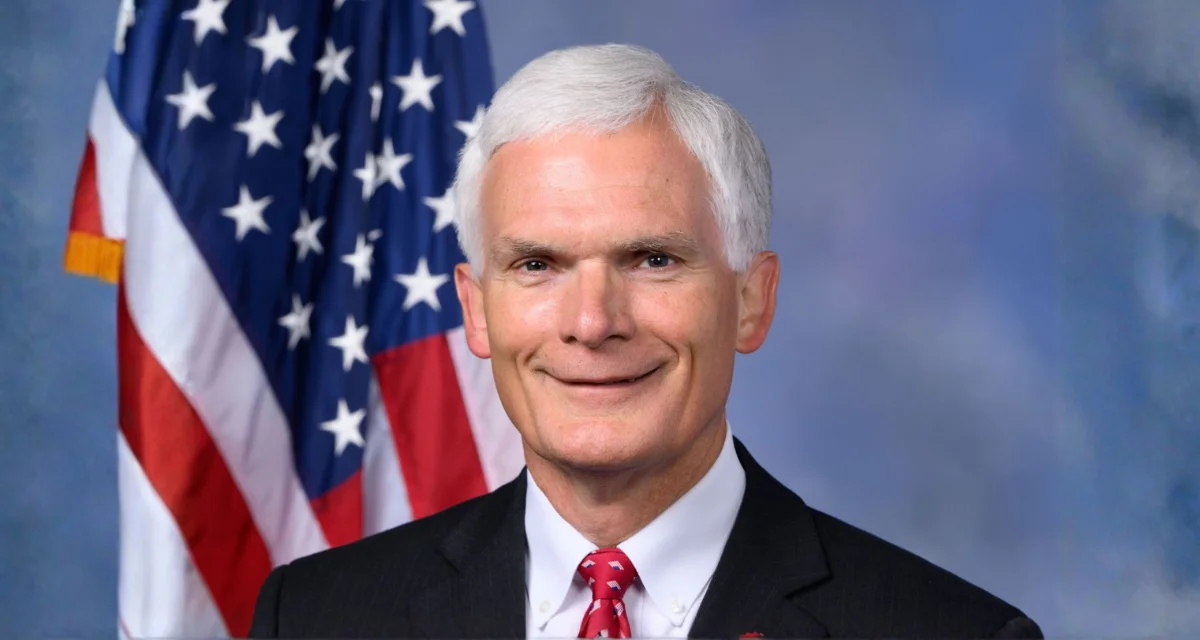
Congressman Bob Latta, Chairman of the Subcommittee on Energy, led a hearing on Apr. 23 focused on the Nuclear Regulatory Commission's activities, priorities, and proposed budget for fiscal year 2027.
The hearing addressed how nuclear technologies could play a role in meeting rising energy demands and maintaining national security. Members discussed regulatory processes and the importance of balancing efficiency with safety as deployment of nuclear power expands.
Latta said, “We need firm, reliable power, and a lot more of it. Successful deployment of nuclear technologies promises to help meet future energy demand, as well as assist in a range of other applications beneficial to society. Expanding nuclear deployment also promises to strengthen our national security, by increasing nuclear commerce with allies and supporting a more cost-effective nuclear industrial base.”
Congressman Troy Balderson questioned Chairman Nieh about the review process for uprate requests at existing facilities. Nieh responded that the commission has decades of experience approving power uprates totaling nearly 9,000 megawatts electric—equivalent to about nine large plants—and outlined three categories for such upgrades. "We actually have specific mandates for timeliness for our licensing activities that were driven in part by the ADVANCE Act as well as the executive order. And we intend to deliver very timely decisions for uprate activities that we're anticipating," Nieh said.
Congressman Russell Fry highlighted South Carolina’s long-standing reliance on nuclear power: “South Carolina knows the value of nuclear energy... In our state, nuclear power is not theoretical. It is very much a tremendous part of the fabric of who we are — it supports our economy, our grid reliability, and certainly our energy future.” Congressman Laurel Lee noted efforts from Congress and the Administration to accelerate deployment but emphasized maintaining safety: “But with that momentum comes a central challenge: ensuring that efforts to increase efficiency and speed do not come at the expense of the Nuclear Regulatory Commission's core mission of safety, independence, and public trust.”
The House Energy and Commerce Committee oversees legislation related to energy policy among other areas according to its official website. The committee has influenced policy concerning innovation in energy systems according to its official website, stands among Congress’s oldest standing committees according to its official website, tracing its origins back to 1795 when it was formed as the Committee on Commerce and Manufactures according to its official website.