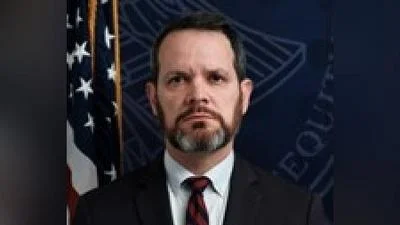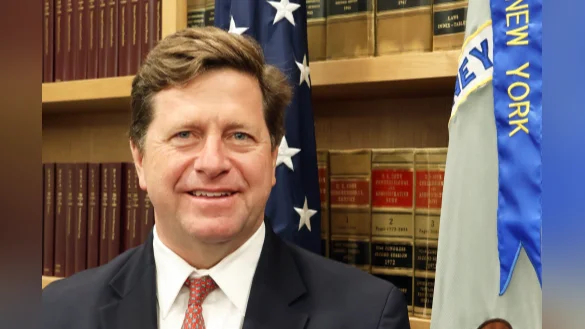
Jay Clayton, U.S. Attorney for the Southern District of New York | Department of Justice
United States Attorney for the Southern District of New York, Jay Clayton, announced on Apr. 20 that a settlement has been reached in a federal Fair Housing Act lawsuit involving Lettire Construction Corp. and other parties responsible for designing and constructing the Chestnut Commons rental building in Brooklyn.
The case is significant because it addresses barriers to housing access for people with disabilities. The settlements require retrofits at three rental buildings—The Tapestry in Manhattan, the Atrium at Sumner in Brooklyn, and Chestnut Commons—to improve accessibility features for residents with disabilities.
Under the terms of the agreements, up to $100,000 will be provided as compensation to individuals harmed by inaccessible conditions at The Tapestry and Chestnut Commons. Additionally, civil penalties totaling $70,000 will be paid by the defendants. The retrofits at Atrium at Sumner were completed before occupancy began.
U.S. District Judge Alvin K. Hellerstein approved the settlement related to Chestnut Commons on Apr. 20, resolving this portion of the case; previous settlements regarding The Tapestry and Atrium at Sumner were approved earlier.
"The Fair Housing Act is about whether people with disabilities can actually live in and move through their homes—in other words, Fair Access means just that," said U.S. Attorney Jay Clayton. "As alleged, these buildings were constructed with barriers—high thresholds, inaccessible bathrooms—that can make daily life difficult or even impossible for those with disabilities. New Yorkers want their neighbors with disabilities to have housing they can access and use, and we will continue to enforce the law to ensure they have it. We appreciate the cooperation of Lettire and its partners in working constructively with the government and in committing to remedying these conditions."
According to allegations made in court documents, some entrances had excessively high thresholds while common areas lacked required grab bars or pipe insulation; bathrooms did not offer enough clear floor space for wheelchair users either within apartments or shared spaces.
As part of today's settlement agreement regarding Chestnut Commons specifically, involved parties must retrofit both public/common areas as well as individual units for improved accessibility compliance under FHA standards going forward—including hiring a compliance consultant—and provide employee training on FHA requirements.
People who believe they may qualify for compensation due to discrimination or lack of accessible features are encouraged to file claims using forms available from the United States Attorney’s Office website or by mailing written claims directly to its Civil Rights Unit.