The House Appropriations Committee approved the Fiscal Year 2027 Military Construction, Veterans Affairs, and Related Agencies Appropriations Act with a unanimous vote of 58 to 0 on Apr. 21.
This legislation is significant as it outlines federal funding priorities for veterans’ care, military infrastructure, and support services for servicemembers and their families. The committee’s decision sets the stage for how resources will be allocated to these areas in the upcoming fiscal year.
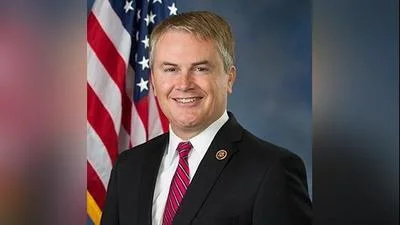
Military Construction and Veterans Affairs Subcommittee Chairman John Carter said, “This legislation upholds our sacred obligation to the men and women who have served the United States of America and defended our freedoms across the globe. The bill ensures that our veterans receive the care and benefits they have earned, while making critical investments in military infrastructure, housing, and childcare to support our servicemembers and their families. It also takes meaningful steps to address some of the biggest challenges facing our veteran population, including homelessness and mental health, because no hero should be left behind. At a time when threats around the world are multiplying, this bill strengthens our military readiness and the quality of life for those who have served and those currently serving. Taking care of our heroes is our responsibility, and I am proud to see this bill advance out of committee as we work to fulfill that duty. I thank Chairman Cole for his leadership and look forward to continuing to work together to get this bill over the finish line.”
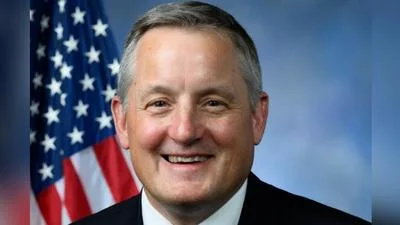
Chairman Tom Cole said, “The uniform represents a promise to America – and this bill ensures we keep ours in return. It reflects a fundamental obligation we carry as a nation: to stand behind those who have worn it, those who serve today, and the families who back them every step of the way. We are delivering the support, resources, and readiness that make a real difference. From fully funding veteran health care and upholding mental health services – to investing in the infrastructure and quality-of-life needs our forces rely on to remain mission-ready – this bill follows through on that commitment. Care, capability, and construction come together in this measure to support those who serve – past and present – and reinforce our base posture. I commend Chairman Carter’s leadership in advancing these vital priorities. As the first bill to move out of full committee this year, it sets a strong foundation for the FY27 work ahead.”
The appropriations act provides $157 billion in discretionary funds—an increase from last year—and $323.9 billion for mandatory programs totaling $469.49 billion overall funding for Fiscal Year 2027.
Key provisions include full funding for veterans’ health care programs; investments exceeding $2 billion in capital improvements at Department of Veterans Affairs medical facilities; protections related to due process rights; prohibitions against purchasing resources from Communist China; continued investment supporting U.S national security interests abroad; maintaining restrictions regarding Naval Station Guantanamo Bay; protecting Second Amendment rights by requiring judicial consent before certain information can be shared with law enforcement; as well as supporting efforts focused on mental health among veterans.
According to the official website, notable personnel include Republican members such as Harold Rogers alongside Democratic members like Steny Hoyer on this committee responsible for drafting all twelve annual spending bills allocating federal funds each year—a process influencing policy through key measures such as Continuing Appropriations Acts.
Guidance is provided by the House Committee on Appropriations regarding community project funding requests included within appropriations bills.
Cole has served as chairman—becoming the forty-third person appointed—and leads one of Congress's most influential committees overseeing federal expenditures.