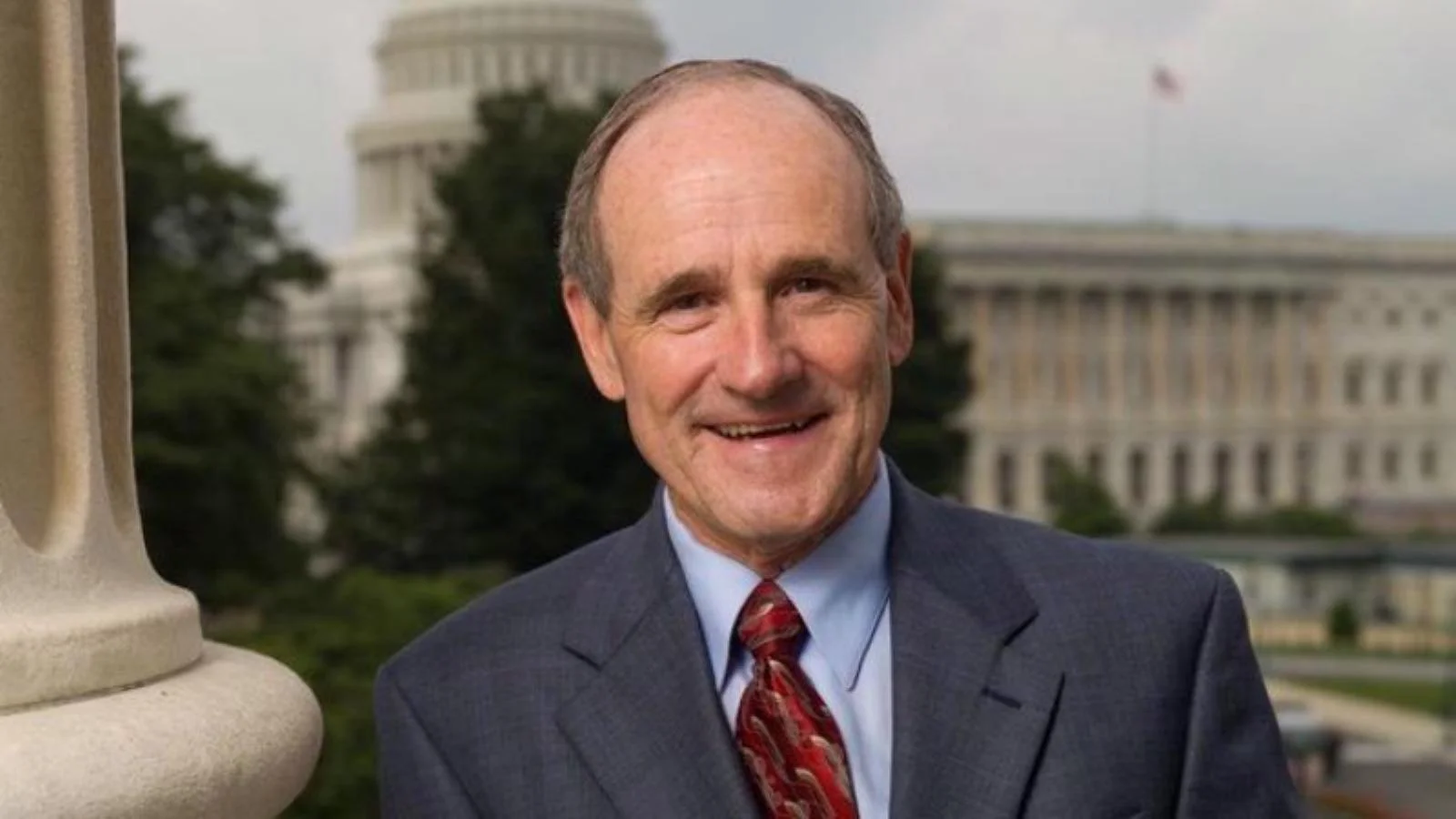
The Senate passed the Conflict-free Leaving Employment and Activity Restrictions (CLEAR) Path Act unanimously, lawmakers announced on Apr. 22. The bill, led by Senator Jim Risch of Idaho, aims to limit foreign influence in U.S. policymaking by prohibiting certain former government officials from lobbying for countries considered adversaries.
The legislation is intended to address concerns about corruption and national security risks that arise when senior officials use their government experience to benefit foreign governments after leaving public service. Risch said, “It isn’t right for senior government officials to turn their public service experience into a payout from malign foreign governments. This bill will help prevent corruption at the highest levels of our government, protect our national security, and ensure that our public servants do not abuse their power for the good of America’s adversaries.”
Senator John Cornyn of Texas added that the measure would help block attempts by countries like Russia and China to gain undue influence over American policy through former high-level officials: “Foreign adversaries with ill intentions should not wield influence on American policymaking, nor should they exploit our own citizens to intercede on their behalf.” Senator Peter Welch of Vermont said it was important for Congress to set higher standards against conflicts of interest: “Public trust in our democratic institutions is eroding. It’s vital we set higher standards against potential conflicts of interest for former government employees, particularly when it involves foreign adversaries that might be working to influence U.S. policy.” Senator Sheldon Whitehouse of Rhode Island stated he was pleased with bipartisan support: “Corrupt foreign nations put their thumb on the scales of American policy through both secret and overt channels of influence.”
The CLEAR Path Act would ban agency heads, deputies, and Senate-confirmed employees from lobbying both branches of government on behalf of countries such as China, Russia, Iran, North Korea, and Cuba after leaving office. It also allows changes to this list if proposed jointly by the Secretary of State and Attorney General with congressional approval.
The Senate Foreign Relations Committee develops U.S. foreign policy through reviewing treaties and legislation according to its official website. The committee designates a Chairman from majority members and a Ranking Member from minority members as detailed online. Established in 1816 as one of the original standing committees according to its official history, it has played key roles in shaping major policies such as supporting the Truman Doctrine in 1947 and rejecting the Treaty of Versailles in 1919–1920 as noted online.
As attention turns toward House consideration following unanimous Senate approval, supporters say they hope these new restrictions will restore trust in democratic institutions while safeguarding against outside interference.