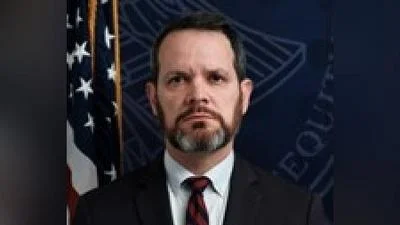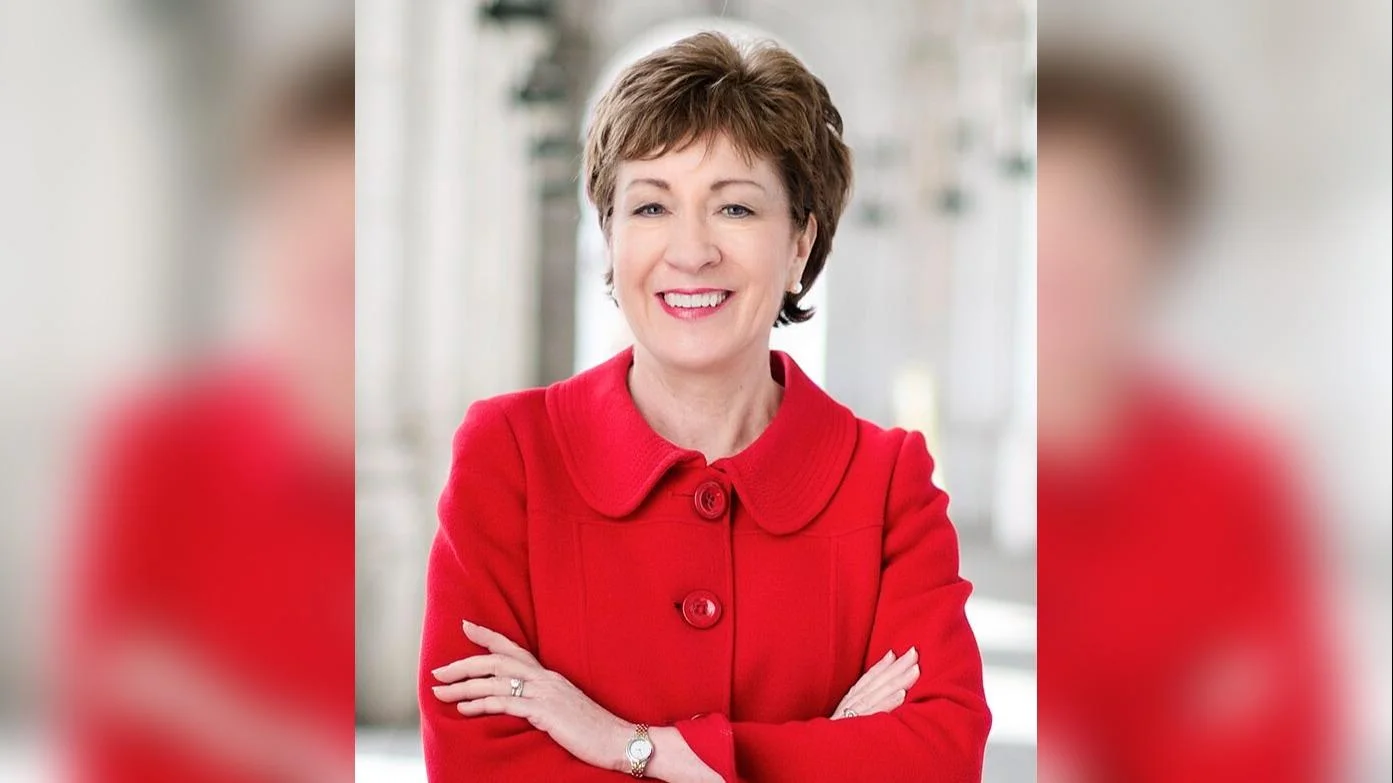
Senator Susan Collins, Chair of the Senate Appropriations Committee, questioned Secretary of Education Linda McMahon on April 28 about proposed changes to federal education funding during a hearing on the Fiscal Year 2027 budget request for the Department of Education.
The discussion focused on how consolidating K-12 education programs into a single block grant could affect rural schools and the future of TRIO programs. The Senate Appropriations Committee manages legislation related to federal funding, conducts hearings on spending proposals, and oversees government programs, according to the official website.
Collins raised concerns that combining 18 previously funded programs totaling $6.5 billion into one grant program with only $2 billion would disadvantage rural schools. "Protecting rural schools and rural communities has always been one of my top priorities, so it's critical that we evaluate the impact that the Administration's proposal would have on rural schools. How would providing much less funding, going from $6.5 billion to $2 billion, and consolidating all of these programs help rural schools?" Collins said.
McMahon responded by emphasizing broader participation through formulaic distribution: "While I acknowledge it is not as much money coming into a lot of the different programs, our assessment...is that they have lost their efficacy...So, I really believe that in this consolidation effort, we have the opportunity for many more schools to take advantage of dollars...the goal is to provide more dollars to be spent where governors, and state superintendents...see the need for these dollars to be spent." Collins replied with concern: "The Rural Education Achievement Program has been enormously successful, and I'm worried it's going to be lost in the consolidation."
On TRIO programs—which support first-generation and low-income students—Collins reiterated her opposition to proposed cuts: "I want to go on record that I oppose the Administration's proposal to...eliminate a program that enjoys robust support and has made such a difference in the lives of children." She also questioned changes in grant competitions for Talent Search and Educational Opportunity Centers.
McMahon explained: "The Department of Labor did not write these criteria...we are looking at TRIO differently...because under TRIO's own metrics it has not achieved its own goals." She added research was underway: "We are spending about $2.1 million doing research for the programs to see how efficacy can be improved. By their own admission ... they're not meeting their own goals."
The Senate Appropriations Committee oversees federal expenditures as mandated by law—ensuring accountability in public money management—and draws its authority from Article I Section 9 Clause 7 of the U.S. Constitution which requires funds only be drawn from Treasury through appropriations made by law according to its official website (https://www.appropriations.senate.gov/). The committee is known for producing appropriations bills such as Homeland Security Appropriations Act according to its official website (https://www.appropriations.senate.gov/).
Historically, Lot Morrill from Maine served as chairman during early operations—a signifier of Maine’s longstanding involvement with this influential committee according to its official website (https://www.appropriations.senate.gov/).
As discussions continue over budget priorities affecting education nationwide—including issues like trade or international affairs—the Senate Appropriations Committee will remain central in determining how resources are allocated across government agencies.