The Department of Homeland Security (DHS) announced on Apr. 29 the second anniversary of its Know2Protect: Together We Can Stop Online Child Exploitation public awareness campaign, which aims to protect children and families from online sexual exploitation and abuse.
The Know2Protect campaign has reached millions across the United States since its launch, focusing on building a safer digital environment for children. DHS now designates the third Wednesday of every April as Know2Protect Day to raise awareness and encourage action against online child sexual exploitation.
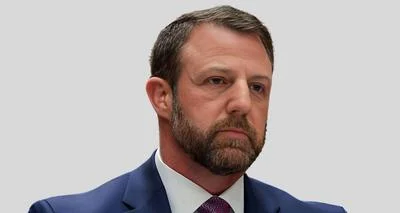
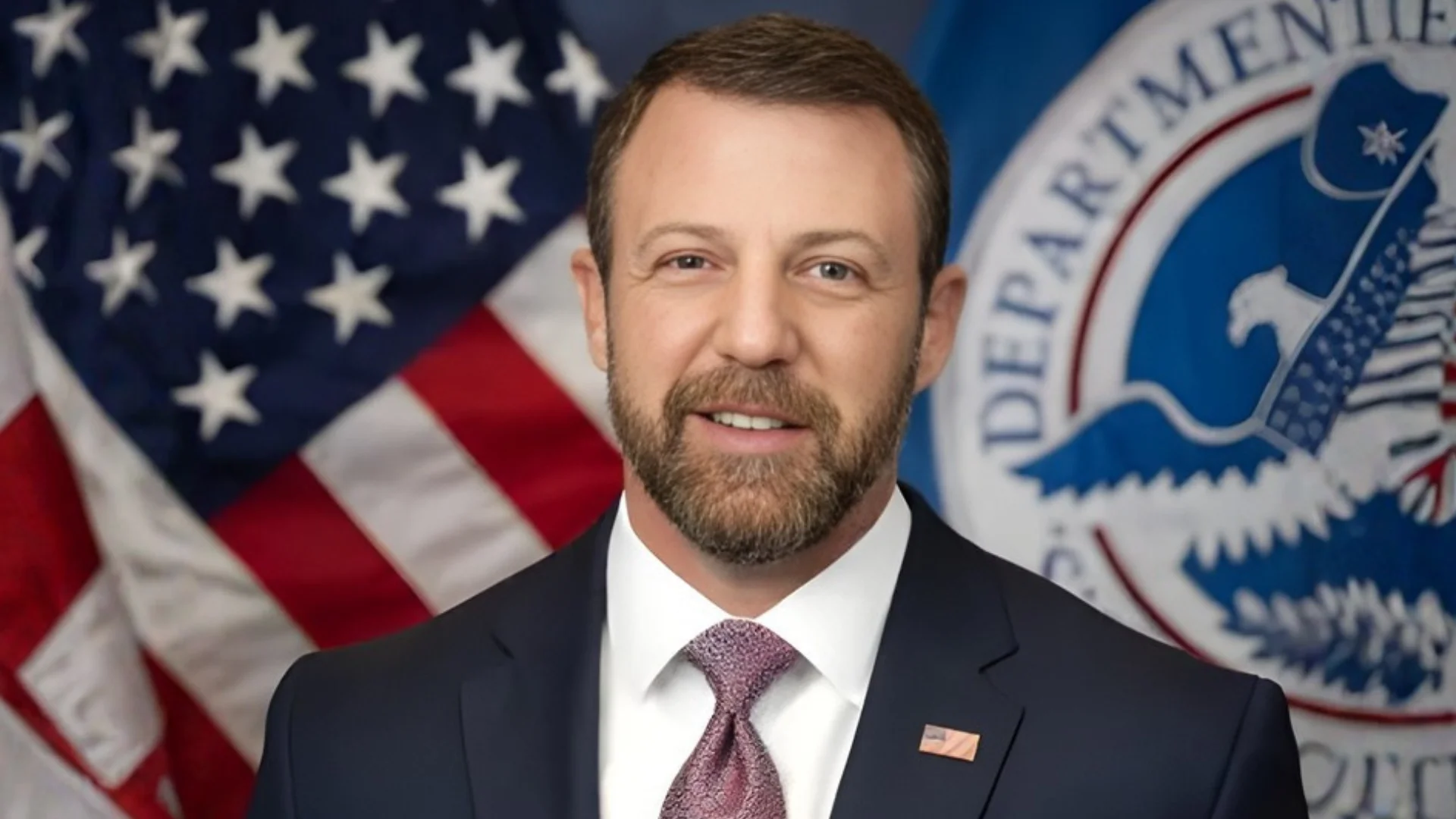
"Parents and guardians have a responsibility to protect kids online and the Trump Administration is committed to providing those adults with the best resources possible to prevent predators and other bad actors from taking advantage of their children," said Secretary Markwayne Mullin. "Know2Protect is an invaluable resource and is one of the many ways DHS carries out its duties to protect and defend the Homeland—especially those most vulnerable among us."
Led by the DHS Cyber Crimes Center in partnership with Homeland Security Investigations, Know2Protect now includes over 30 signed partners and more than 600 Campaign Champions from sectors such as technology, gaming, social media, law enforcement associations, major sports leagues, youth-serving organizations, and non-governmental organizations. The campaign has achieved more than 1.2 billion impressions through social media engagement, advertising efforts, earned media coverage, partner activities, influencer campaigns, and educational initiatives like Project iGuardian.
To mark this year’s anniversary during National Child Abuse Prevention Month, Know2Protect released a new public service announcement warning young people about online predators who may pretend to be teens themselves in order to groom or exploit victims—a message based on a real case prosecuted by HSI that resulted in a lengthy prison sentence for an offender.
The scale of online dangers remains significant; according to data cited in the release from the National Center for Missing & Exploited Children’s CyberTipline for 2025 alone there were over 21 million reports involving suspected child sexual exploitation content.
In August 2025 Know2Protect launched Pledge2Protect—a call-to-action encouraging individuals nationwide to commit publicly to keeping kids safe online by implementing safety measures at home or sharing resources within their communities. More than 300,000 people—including over 280,000 teens—have taken this pledge so far via know2protect.gov.
Corporate partners also expressed support for these efforts. "Snap congratulates the Department of Homeland Security on the second anniversary of its impactful Know2Protect campaign," said Jacqueline Beauchere at Snap Inc., highlighting contributions such as research commissioning and interactive tools like Snapchat Lens for education purposes. Antigone Davis at Meta added: "Creating a safer online experience for young people requires a unified sustained effort between government industry and others... We remain committed to equipping parents and teens with essential safety tools."
Influencers such as country music artist John Rich helped amplify outreach through educational video series viewed hundreds of thousands times; youth athletes like McKenna Whitham produced teen-focused content; while organizations including National Police Athletic League (PAL), Scouting America—and new partners like Boys & Girls Clubs—expanded training opportunities through Project iGuardian presentations domestically as well as internationally.
Project iGuardian has delivered more than 2,860 presentations reaching over 261,000 people since October 2023 re-launch—with disclosures during sessions leading directly both victim support services provisioned by authorities plus dozens arrests stemming from investigative cases opened following reports received after events.
Looking ahead DHS plans further expansion working closely with survivors developing new video materials growing influencer networks increasing local law enforcement training capacity partnering globally with platforms such as TikTok’s Youth Council—all designed make prevention messaging even more relevant accessible younger audiences navigating today’s digital world.